 How-to
Common Lawn Pests in North Miami Yards and How to Spot Them
Last Updated: November 11, 2026
Quick Summary
The most common lawn pests in North Miami yards include chinch bugs, sod webworms, fall armyworms, white grubs, mole crickets, and fire ants. Warm, humid conditions keep these lawn pests active most of the year, so check for patterns like irregular brown patches, chewed blades, or raised soil mounds.
- Chinch bugs often cause yellow, then brown, irregular patches that spread from sunny edges.
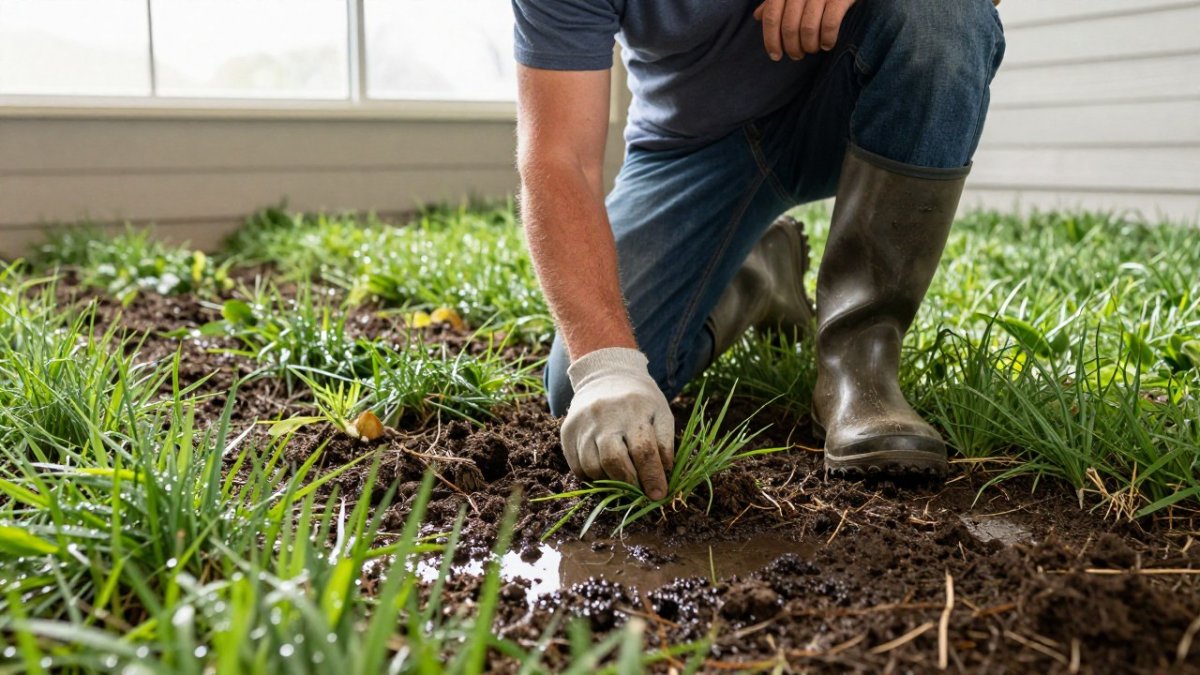
- Lawns that peel back easily like loose carpet often indicate white grub damage.
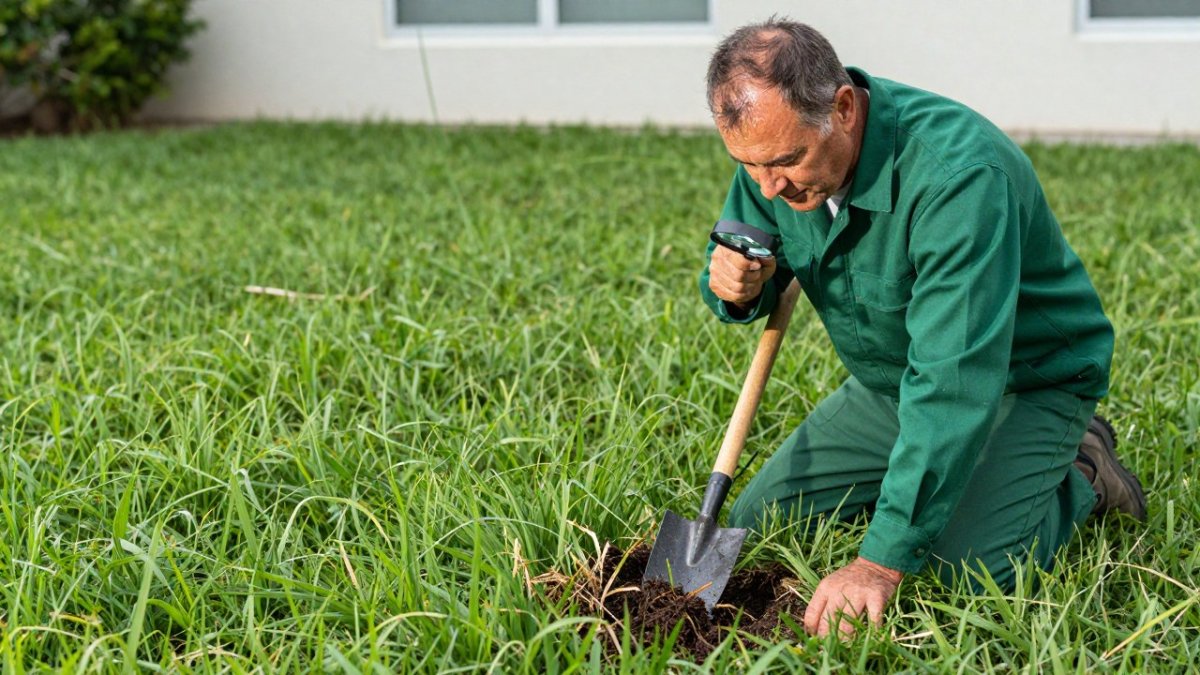
- A coffee-can or soap-flush sample helps confirm pests before any treatment.
- Rule out drought and overwatering first, since their brown patches can look like pest damage.
- Watering deeply and infrequently helps St. Augustine and Bahia tolerate light feeding.
Table of Contents
- Why North Miami Lawns Attract Pests Year-Round
- Common Lawn Pests in North Miami Yards Pictures and Identification Guide
- Types of Lawn Bugs Pictures with Names and Their Damage
- Chinch Bugs: How to Spot Them in Florida Grass
- Matching Lawn Symptoms to the Right Pest
- How to Get Rid of Lawn Bugs That Kill Grass
- Booking an On-Site Lawn Inspection with P&P Landscaping
- Frequently Asked Questions
Why North Miami Lawns Attract Pests Year-Round
Lawn pests rarely take a season off in South Florida. Warm temperatures and steady moisture keep insects active most of the year, which means North Miami yards face pest pressure in months when homeowners elsewhere are already planning their winter lawn care. A lawn that looked healthy in spring can show thinning or brown patches by late summer.
The main reason is the grass itself. Most North Miami lawns are warm-season turf, such as St. Augustine or Bahia, which grows fastest when it is hot and wet. That same growth window is the feeding window for many pests. Lawn pests are most active when the grass is actively growing, so the conditions that help your lawn can also help them.
Watch out: Assuming that brown grass means drought is one of the most common mistakes. Pest damage and water stress look similar at first, so check the soil before you water more.
Common Lawn Pests in North Miami Yards Pictures and Identification Guide
Identifying the pest is the first step toward protecting your lawn. Most lawn pest damage in North Miami falls into a few familiar categories. Look for the insect itself, but also look for the signs it leaves behind, such as small tunnels, mounds, chewed blades, or patches that lift easily from the soil.
Use these visual clues as a starting point:
- Small insects at the grass base: Often chinch bugs or other sap-feeding pests
- Caterpillars on the blades at dusk: Typically armyworms or sod webworms
- Soft, grub-like larvae in the root zone: Usually white grubs
- Dirt mounds and surface tunnels: Commonly mole crickets or moles
- Raised soil mounds with ants moving in and out: Often fire ant colonies
Because pest appearance can vary by life stage, a photo of the insect alongside a close look at the damage pattern is more reliable than either alone. Our guide on How to Tell if New Sod Is Getting Enough Water explains how to rule out water stress as the cause of similar-looking damage.
Types of Lawn Bugs Pictures with Names and Their Damage
Each common lawn pest leaves a recognizable kind of damage. Knowing the pattern helps you match the problem to the culprit quickly.
- Chinch bugs: Yellow, then brown, irregular patches that spread outward from sunny areas
- Sod webworms: Small, irregular chewed spots and green frass (droppings) on the blades
- Fall armyworms: Ragged, chewed blades and sometimes stripped sections in a short time
- White grubs: Lawn that peels back like a loose carpet because roots have been eaten
- Mole crickets: Soft, raised tunnels and damage that makes turf feel spongy underfoot
- Fire ants: Rounded soil mounds and stings when you walk barefoot or mow nearby
If you are unsure which category fits, take a clear photo of the damage and a sample of soil from the affected edge. Compare both against trusted extension guides, such as the University of Florida IFAS Extension publications on Florida lawn pests, which cover many of these insects in detail.
Chinch Bugs: How to Spot Them in Florida Grass
Chinch bugs are among the most damaging pests in South Florida turf, and they are frequently misdiagnosed as drought because the early symptoms look so similar. In North Miami, chinch bug activity tends to be highest during the hot, humid months when St. Augustine and Bahia are growing fastest, and damage often shows up first along driveways, sidewalks, and south- or west-facing slopes where heat concentrates.
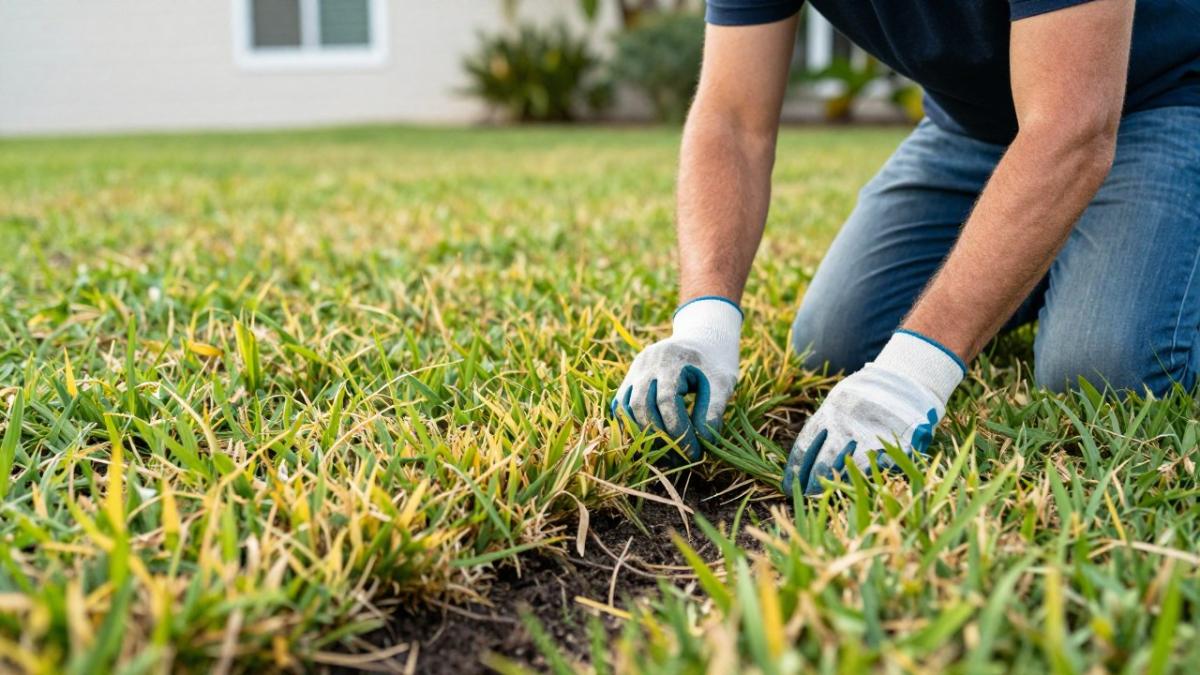
Adults are small, black, and white-winged, and they are easy to overlook because they hide at the base of the grass. Nymphs are smaller and reddish with a white band across the back. Because they feed by sucking sap from blades and stems near the soil line, you usually have to look low in the canopy rather than at the tips of the grass.
The damage pattern is the most useful clue. Chinch bug injury typically starts as yellowing that turns to irregular brown patches spreading outward from sunny edges. Drought stress tends to show a more uniform browning across the lawn and often responds quickly to watering, while chinch bug patches continue to spread even when the lawn is irrigated on schedule.
To confirm the insect, use a coffee-can or soap-flush sample. Cut both ends off a metal can, push it a few inches into the soil at the margin of a suspect patch, and fill it with water to the top. Wait about five minutes. Insects that are present will float to the surface, and you can count them. Repeat the sample in a healthy area a few feet away for comparison, since the goal is to see whether the affected edge has noticeably more insects than the unaffected turf. A soap flush, using a dilute dish-soap solution poured over a square foot of turf, works similarly and is useful when you want to sample several spots.
Watch out: Do not base a treatment decision on color alone. Overwatering, fertilizer burn, and fungal disease can all produce brown patches, and applying an insecticide to the wrong problem will not fix the lawn.
Record what you find and check again in one to two weeks. If the patches stop expanding and the counts drop after cultural adjustments, the lawn is likely recovering. If counts stay high or the patches keep growing, that is the point where a targeted treatment becomes reasonable.
Matching Lawn Symptoms to the Right Pest
A symptom-first approach keeps you from guessing. Start with what you can see:
| Symptom | Likely Pest | First Check |
|---|---|---|
| Irregular brown patches in sun | Chinch bugs | Coffee can water test |
| Chewed blades and green droppings | Sod webworms | Look for webbing at the thatch |
| Lawn peels back easily | White grubs | Pull back a small section of turf |
| Spongy turf and raised tunnels | Mole crickets | Look for surface tunnels |
| Soil mounds with ants | Fire ants | Check for mounds near the lawn edge |
Before you blame a pest, rule out water stress. Dig a few inches into a brown area: if the soil is dry and the roots are intact, underwatering may be the cause. Our guide on How to Spot When South Florida Sod Needs More Water explains how to tell the difference.
If the grass is thinning rather than browning, the cause may also be poor drainage, compacted soil, or a lawn disease. For a deeper walkthrough of repairing this kind of damage once the cause is clear, see how to fix brown patches in South Florida lawns.
How to Get Rid of Lawn Bugs That Kill Grass
Treatment decisions for North Miami lawns should follow a clear order: confirm the pest, check whether the damage is severe enough to justify action, and then choose the least disruptive control that will work. Many yards that look bad after a dry spell or a heavy rain recover on their own once the cause is removed, so it is worth pausing before reaching for a product.
Cultural controls come first. Watering deeply and infrequently, usually early in the morning, encourages roots to grow deeper and helps St. Augustine and Bahia tolerate light feeding. Mowing at the higher end of the recommended range for your grass type keeps more leaf area available for photosynthesis, and removing excess thatch reduces the sheltered habitat where chinch bugs and sod webworms hide. Avoid heavy nitrogen applications during peak heat, because soft, fast growth attracts sap-feeding insects and can mask early damage.
Biological and low-impact options are worth considering when the infestation is light. Some beneficial insects and nematode products target grubs and other soil-dwelling larvae, and their effectiveness depends on soil moisture and temperature at the time of application, so follow the product label closely. Biological controls tend to act more slowly than chemical ones, so plan to recheck the same patches over two to three weeks rather than judging results after a few days.
Chemical controls are sometimes necessary, especially when a confirmed chinch bug or armyworm population is actively destroying turf. Choose a product labeled for the specific pest and for your grass species, apply it at the labeled rate and timing, and read the restrictions before use. Because South Florida lawns drain quickly into canals and the Biscayne Aquifer, avoid applying before heavy rain and keep product off paved surfaces and drainage areas. If you are weighing which turf types hold up best here, compare the best grass options for South Florida yards.
A practical rule is to treat only when a confirmed pest count is high enough to threaten the lawn. As a general guide, if you find several chinch bugs or armyworm larvae in a single coffee-can or soap-flush sample from a suspect patch, action is usually justified; isolated individuals in an otherwise healthy lawn usually are not. Recheck the same patches after one to two weeks. If live pests remain, a second targeted application may be warranted, but repeated blanket treatments without fresh confirmation waste money and stress the grass.
Watch out: Applying a second round of insecticide before confirming that the first one failed can expose your family and waterways to unnecessary product while the real cause, such as drought or a lawn disease, goes unaddressed.
If a large section has died and the soil is bare, recovery by reseeding or sodding may be faster than waiting. Our team offers sod installation in South Florida for homeowners whose lawns need a full restart.
Booking an On-Site Lawn Inspection with P&P Landscaping
Pest damage is easier to fix when it is caught early. P&P Landscaping and Tree Service is a family-owned and operated business with over two decades of experience. We can inspect your yard on site and recommend a practical next step.
Book an on-site inspection and get a clear answer about what is hurting your lawn. Call us today to schedule your visit.
Frequently Asked Questions
How do I identify my lawn pests?
Start with the damage pattern rather than the insect itself. Irregular yellow or brown patches that spread outward often point to chinch bugs or sod webworms, while grass that lifts up easily from the soil suggests white grub root feeding. Check the edges of damaged areas, where insects are most active, and look for insects or larvae in the top inch of soil and thatch. Taking photos of the damage and comparing them to reference images from a local extension office can narrow the list quickly before you treat anything.
How do you check a lawn for chinch bugs?
Use the flotation test. Cut both ends off a coffee can, push one end about two inches into the soil at the edge of a damaged area, fill it with water, and wait five minutes. Chinch bugs float to the surface if they are present. Inspect at least two or three spots, especially where grass is drying out in sunny areas, since chinch bugs favor hot, dry turf. Finding several bugs per square foot indicates a problem worth addressing.
What should I do after finding lawn pests?
Confirm the pest before treating, because the right response differs by insect. Water deeply and consistently to help grass recover, avoid overfertilizing, which encourages lush growth that pests prefer, and keep mowing height appropriate for your grass type. If pest numbers stay high after a week or two of follow-up checks, a targeted treatment may be needed. Recheck the area after treatment to confirm the damage has stopped spreading.
Is there an app that can help identify what is wrong with my lawn?
Several plant and lawn identification apps can suggest possible causes from a photo, but they often confuse pest damage with disease, drought stress, or fungal problems that look similar. Use an app as a starting point, then verify by inspecting the soil and grass crowns yourself. For a definitive diagnosis on a North Miami property, a professional on-site inspection will usually be more reliable than a photo alone.