 listicle
Best Grass for South Florida Yards: 5 Top Picks
Table of Contents
- Top Grass Types for South Florida Yards Compared
- St. Augustine Grass Maintenance Tips for Miami-Dade Yards
- How to Install Sod in Florida and Choose the Best Fertilizer for South Florida Lawns
- Frequently Asked Questions
Last Updated: September 12, 2026
Top Grass Types for South Florida Yards Compared
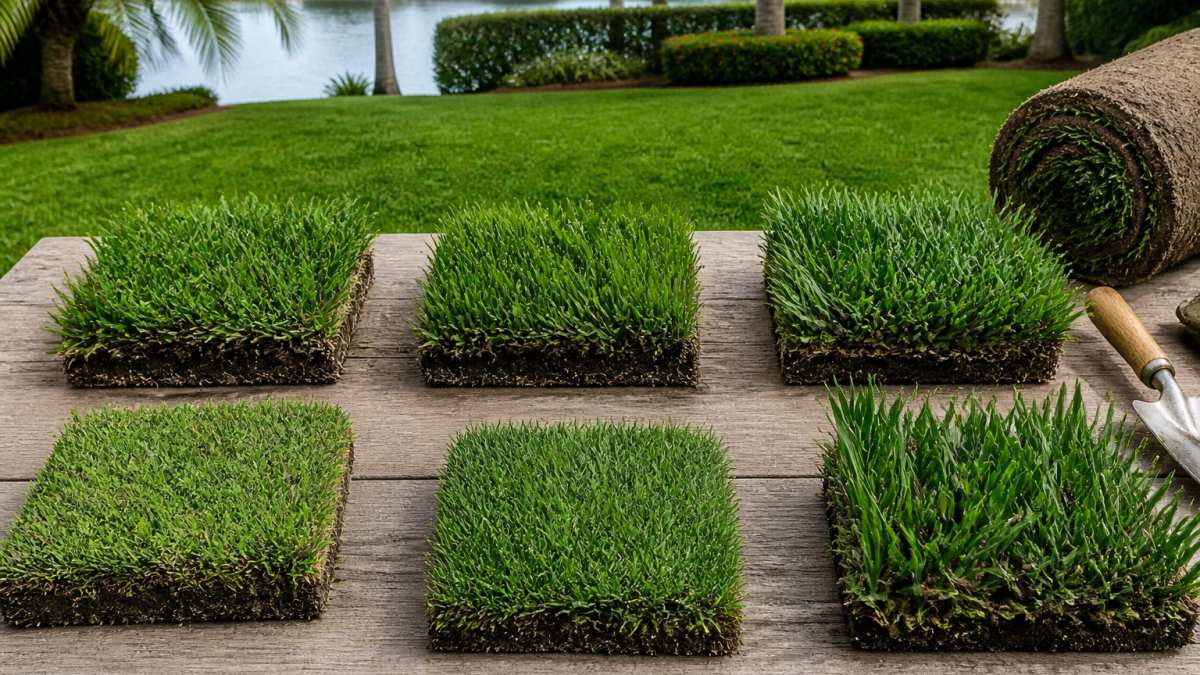
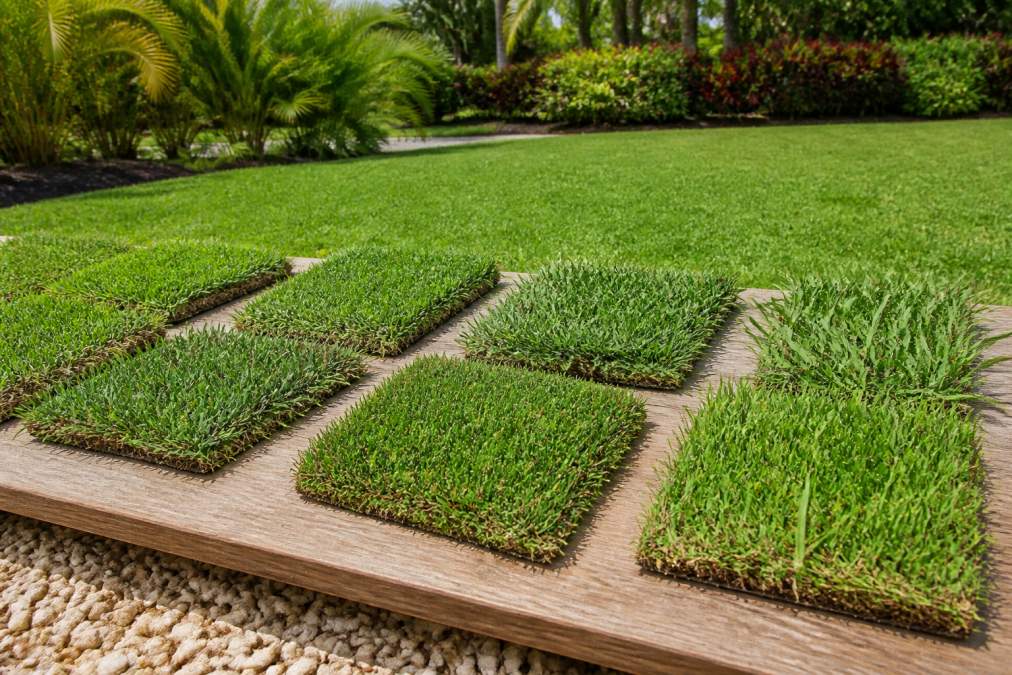
Choosing the best grass for South Florida yards means matching variety to sunlight, soil, and maintenance. At P&P Landscaping and Tree Service, we've installed sod across North Miami and Broward County for over two decades, and five grasses win: St. Augustine, Zoysia, Bermuda, Bahia, and Seashore Paspalum.
| Grass Type | Shade Tolerance | Drought Tolerance | Maintenance Level | Best For |
|---|---|---|---|---|
| St. Augustine (Floratam) | High | Moderate | Moderate | Classic thick green lawns |
| Empire Zoysia | Moderate | High | Low | Luxury, high-traffic yards |
| Bermuda | Low | High | High | Active families and pets |
St. Augustine Grass (Floratam) is South Florida's most popular turfgrass, with broad blue-green blades and high heat and salt tolerance, but it's susceptible to chinch bugs and must be installed as sod.
Empire Zoysia is premium and drought-tolerant with soft texture and strong durability, though it costs more than Bahia and recovers slowly.
Bermuda Grass thrives in full sun and recovers fast, but needs frequent mowing and struggles in shade.
Bahia Grass is rugged and low-maintenance for large properties and poor soil, but has coarse texture and tall seed heads.
Seashore Paspalum is salt-tolerant and built for coastal South Florida, but requires specialized management and is less available.
St. Augustine Grass Maintenance Tips for Miami-Dade Yards
St. Augustine grass maintenance tips for Miami-Dade yards come down to three habits: water deeply but less often, mow high, and watch for chinch bugs. Water early two to three times weekly in the dry season, fertilize with slow-release blend, and inspect sunny edges weekly, since chinch bugs hit hottest, driest spots first.
How to Install Sod in Florida and Choose the Best Fertilizer for South Florida Lawns
Installing sod in Florida means preparing soil first, laying pallets within 24 hours, and watering daily until roots knit. For the best fertilizer for South Florida lawns, choose a slow-release granular blend suited to your grass type and apply after sod establishes. Phosphorus is restricted in many Florida counties due to runoff, so check local rules before buying. University of Florida IFAS turfgrass guidance covers soil testing and county-specific fertilizer rules.
The steps: clear debris and test soil; till and level; lay sod tight with staggered seams; water daily for two weeks; fertilize once roots take hold; mow high after the first month.
Frequently Asked Questions
What is the most drought-tolerant grass for South Florida?
Bahia grass handles drought best because its deep root system reaches moisture other grasses cannot. It also thrives in sandy, nutrient-poor soil common across South Florida. Empire Zoysia is a close second once established, needing less water than St. Augustine. If your yard rarely gets irrigation, Bahia is the most forgiving choice.
How often should I water my new sod in North Miami?
New sod needs daily watering for the first two weeks, keeping the soil moist but not soaked. After roots take hold, cut back to two or three times per week. In North Miami's sandy soil, water early morning to reduce evaporation and disease. An irrigation timer helps you stay consistent during the establishment period.
Is St. Augustine grass the best choice for Miami lawns?
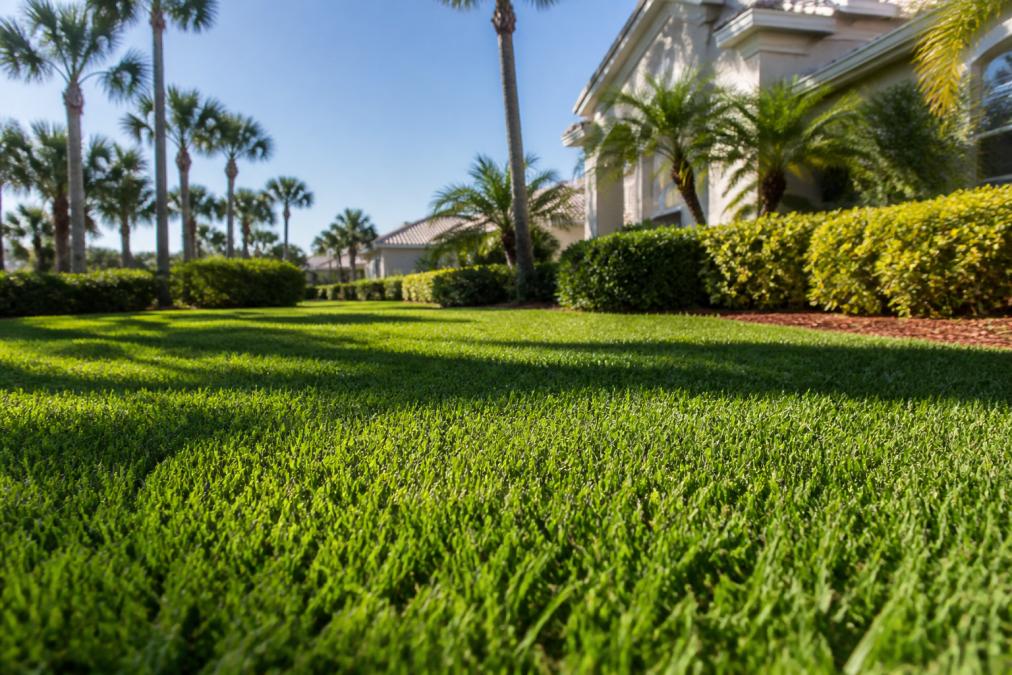
St. Augustine is the most popular grass for South Florida yards because it handles heat, humidity, and salt spray well. It forms a thick, dark green carpet and tolerates some shade. However, it is prone to chinch bugs and needs regular irrigation and fertilization. For coastal Miami properties, Seashore Paspalum may be a better fit.