 how-to
How to Tell if New Sod Is Getting Enough Water
Last Updated: October 22, 2026
Quick Summary
How to tell if new sod is getting enough water is to lift a corner and feel the soil beneath, which should feel damp 2 to 3 inches deep without dripping water. Check blade color for vibrant green and firmness by pressing your palm on the grass, which should spring back, not feel mushy or wilt.
- Water daily for the first 14 days between 5 and 8 a.m. to keep soil consistently moist
- Soil should feel damp 2 to 3 inches deep, not soggy or dry and crumbly
- Healthy sod has vibrant green blades that feel firm and springy, not dull or mushy
- Reduce watering to 4 to 5 days per week starting week three as roots establish deeper
- Perform the tug test at week three; sod should resist pulling if roots are anchoring properly
Table of Contents
- Visual Signs Your New Sod Is Getting Enough Water
- New Sod Watering Schedule for Healthy Establishment
- How Long to Water New Sod Each Time
- Signs of Overwatered New Sod
- How to Check if Sod Has Rooted Properly
- Daily Watering Checklist for New Sod
- Common Watering Mistakes to Avoid
- Frequently Asked Questions
Visual Signs Your New Sod Is Getting Enough Water
When you install new sod, water is everything. The grass roots need consistent moisture to establish in the soil beneath. The difference between thriving turf and dead patches almost always comes down to how to tell if new sod is getting enough water.
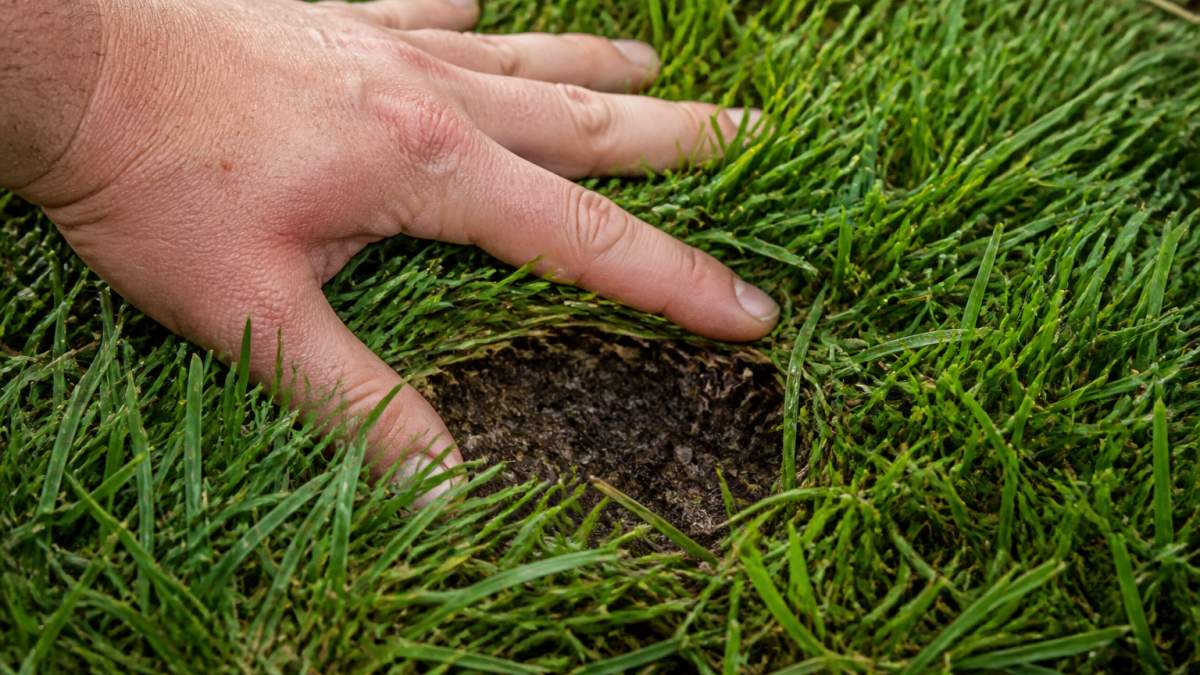
Checking soil moisture beneath the sod
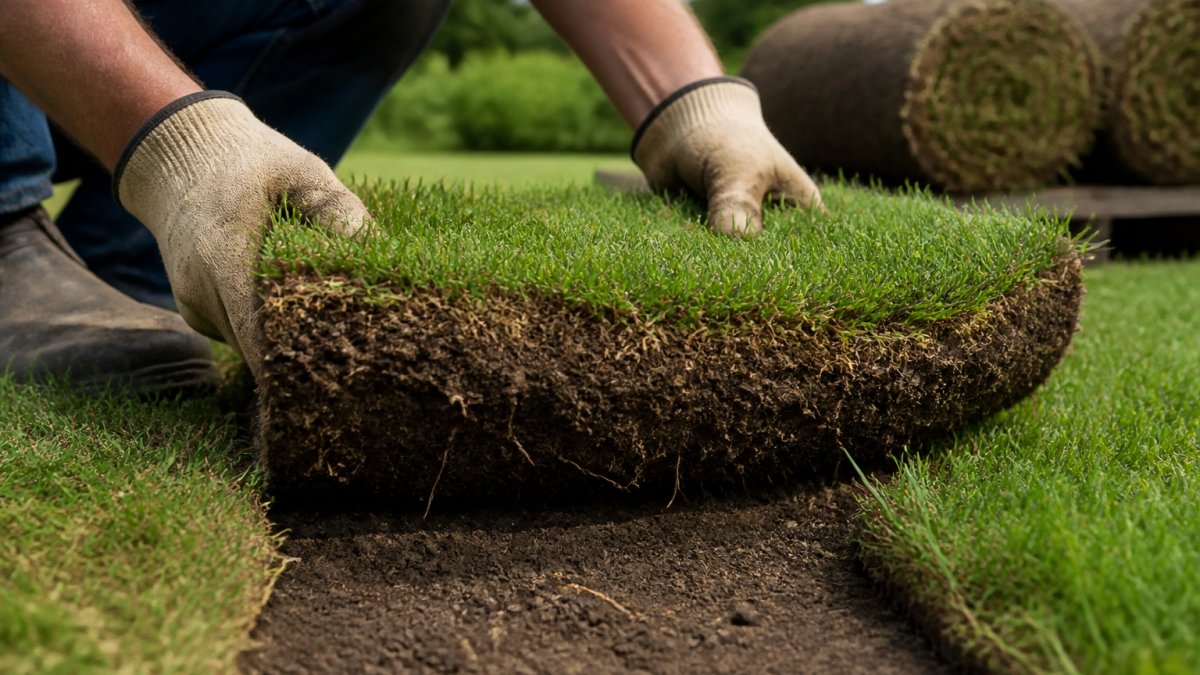
Lift a corner of the sod and feel the soil directly underneath. The soil should feel damp, not soggy. Squeeze it gently, if water drips out, you're overwatering. If it crumbles and feels dry, you need more water.
The top inch of soil should stay moist for the first two weeks. This is where the roots are trying to establish. Check in the early morning before the heat of the day. Press your finger into the soil at several spots across your lawn. Consistency matters.
Observing blade color and firmness
Healthy new sod has vibrant green blades that feel firm and springy. If the grass looks dull, pale, or grayish-green, it's stressed from either too much or too little water. Press your palm flat on the grass. It should push down slightly and spring back.
Wilting is the clearest sign of underwatering. The blades curl inward and lose their bright color. This happens fast in Florida's heat. If you see wilting by mid-morning, increase your watering that same day. Don't wait until the next scheduled watering.
New Sod Watering Schedule for Healthy Establishment
Getting the frequency right determines whether your sod roots into the soil or dies. Most homeowners either water too little or too much. The schedule changes as the roots develop.
First two weeks: frequency and timing
Water every day for the first 14 days after installation. This keeps the soil consistently moist while roots are still shallow and vulnerable. Water early in the morning, between 5 and 8 a.m. This reduces evaporation loss and gives the grass all day to absorb moisture.
Apply water until the soil beneath the sod is damp 2 to 3 inches deep. Check by lifting the sod edge and feeling the soil. Morning watering also means the grass dries before evening, which reduces fungal disease risk. Afternoon watering in Florida's heat often leads to problems.
During the first two weeks, skip watering only if heavy rain falls. One inch of rain counts as a full watering day (Watering duration and frequency using drip irrigation). After that, you still water the next day on schedule.
Weeks three through eight: transition phase
Starting week three, reduce watering to 4 to 5 days per week. The roots are deeper now and can reach more moisture. Continue watering early morning. By week six, move to 3 to 4 days per week. By week eight, your new sod is rooted enough to follow a normal maintenance schedule, typically 2 to 3 times per week depending on rainfall and heat.
The transition happens gradually. Watch the sod during this phase. If it starts to wilt despite your new schedule, go back to more frequent watering for another week. Every yard is different. Soil type, sun exposure, and weather all affect how fast roots establish.
How Long to Water New Sod Each Time
Duration depends on your irrigation method and soil type. The goal is to wet the soil 2 to 3 inches deep without creating puddles or runoff.
Duration based on installation stage
For the first two weeks, water until the soil is damp 2 to 3 inches deep. With a sprinkler, this typically takes 15 to 20 minutes per section. With a soaker hose, allow 30 to 45 minutes to cover the area thoroughly.
Test the soil depth by lifting the sod edge after watering. You'll learn how long it takes in your specific yard. Weeks three through eight, reduce duration slightly as roots go deeper. By week eight, 10 to 15 minutes per section is usually enough.
Adjusting for weather and soil type
Heavy clay soil holds water longer than sandy soil. If your yard has dense clay, reduce watering time by 20 to 30 percent. Sandy soil drains faster, so you may need to water longer or more frequently. Mulch or compost worked into the soil before sod installation improves water retention.
Heat waves demand more frequent watering. If temperatures exceed 95 degrees, stick to daily watering even in weeks three and four. Morning watering becomes even more critical. Rain reduces the next watering session, water lightly or skip a day depending on rainfall amount.
Signs of Overwatered New Sod
Too much water kills sod just as surely as too little. Overwatering creates conditions for disease and prevents roots from establishing properly.
Fungal issues and root problems
Waterlogged soil promotes fungal diseases like brown patch and pythium. These diseases appear as circular patches of tan or brown grass that spread outward. The infected area feels soft and may have a foul smell. Fungal problems develop quickly in Florida's humid climate, especially if the sod stays wet overnight.
Roots need oxygen to grow (The Many Facets of Hypoxia in Plants). Constantly saturated soil suffocates the root system. The grass yellows and weakens even though the soil is wet. This looks confusing, grass that looks like it needs water but actually needs less. Check the soil.
Mushy texture and foul odors
Press your hand on the sod. Healthy grass feels firm. Overwatered sod feels soft and spongy, like walking on a wet sponge. The blades may separate from the soil easily. A strong smell like rotten vegetation or decay indicates anaerobic conditions, the soil is too wet and lacking oxygen.
If you notice mushy texture or foul odors, stop watering immediately. Allow the soil to dry out for several days. Increase air circulation if possible by mowing (if the grass is established enough) or by ensuring good drainage patterns.
How to Check if Sod Has Rooted Properly
Knowing when the sod has rooted tells you when to reduce watering and when the lawn can handle normal traffic and stress.
The tug test and resistance indicators
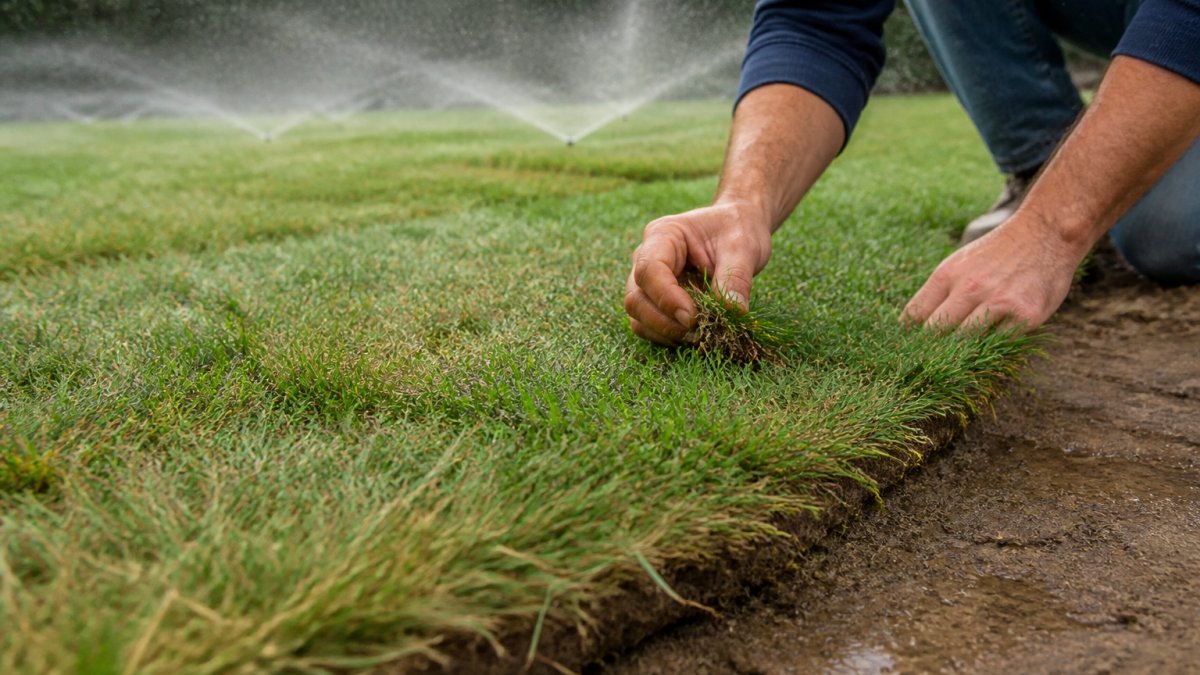
Perform the tug test starting around week three. Grab a handful of grass and pull gently upward. If the sod lifts easily, roots haven't established yet. If the sod resists and doesn't pull up, the roots are anchoring into the soil. By week four, the sod should resist strongly.
Another indicator is how quickly the grass recovers from foot traffic. New sod with shallow roots stays flattened where you walk. Rooted sod bounces back within hours. If footprints disappear quickly, the roots are doing their job.
Timeline for rooting success
In ideal conditions with proper watering, sod roots establish in 4 to 6 weeks. In hot weather or with sandy soil, this can happen in 3 to 4 weeks. In cooler weather or dense clay, it may take 8 weeks. Florida's heat accelerates the process if watering is consistent.
By week eight, your sod should be fully rooted and ready for normal lawn care. You can mow, allow foot traffic, and follow a standard watering schedule. If rooting seems slow after week six, check your watering frequency and soil moisture. Underwatering delays rooting.
Daily Watering Checklist for New Sod
Use this checklist to stay on track during the critical establishment phase:
- Check soil moisture by lifting sod edge, should feel damp 2-3 inches deep
- Water in early morning between 5 and 8 a.m.
- Observe grass blade color, should be vibrant green, not pale or dull
- Press palm on sod, should feel firm and springy, not mushy
- Check for wilting by mid-morning, if present, increase watering
- Verify no puddles or runoff after watering
- Note weather, skip or reduce watering after heavy rain
- Feel soil texture, should crumble slightly when squeezed, not drip water
- Perform tug test weekly starting week three, check for root resistance
- Reduce watering frequency after week two per schedule above
Common Watering Mistakes to Avoid
Most new sod fails because of one of these errors. Understanding them helps you avoid costly replanting.
Watering at the wrong time: Evening or afternoon watering leaves grass wet overnight, promoting fungal disease.
Inconsistent watering: Skipping days in the first two weeks or watering some areas more than others creates dry spots where roots don't establish. Set a consistent daily schedule and stick to it.
Shallow watering: Watering for only 5 minutes wets the surface but doesn't reach the roots. Roots need moisture 2 to 3 inches down. Water longer until you verify the depth.
Not checking soil moisture: Guessing about water needs leads to either overwatering or underwatering.
Continuing daily watering too long: Some homeowners water daily for months. This wastes water and promotes disease.
Establishing new sod in Landscape and the surrounding North Miami area requires attention to detail and consistency.
If you're uncertain about your watering approach or if your sod isn't establishing as expected, professional guidance makes a real difference. Our team helps you avoid costly mistakes and ensures your new sod investment pays off. For guidance on proper lawn establishment practices, consult your local university extension service for climate-specific recommendations. Book an on-site estimate now and let our two decades of experience in South Florida landscaping work for you.
Frequently Asked Questions
How can you tell if new sod is getting enough water?
New sod receiving adequate water shows vibrant green color, springs back when walked on, and has moist soil 2-3 inches beneath the surface. The grass blades feel firm and pliable, not wilted or brittle. Lift a corner gently; properly watered sod feels heavy and the soil clings together. Check daily during the first two weeks after installation, as this is when water demand is highest.
What does a new sod watering schedule look like during establishment?
For the first two weeks, water daily in early morning for 15-20 minutes, keeping soil consistently moist 2-3 inches deep. Weeks three through eight, reduce to 3-4 times weekly, adjusting duration as roots deepen. After eight weeks, transition to a standard watering schedule. Adjust based on rainfall and local weather; hot or windy conditions may require more frequent watering.
How long should you water new sod each time?
During the first two weeks, water for 15-20 minutes daily to saturate the top 2-3 inches of soil. Weeks three through eight, adjust duration, 3-4 times weekly, as roots deepen. The goal is to wet the soil beneath the sod without creating standing water. Test the soil depth by lifting the sod edge after watering.
What are signs that new sod is overwatered?
Overwatered sod develops soft, mushy patches, appears darker than healthy grass, and may emit a sour or rotten smell from the soil. You might notice fungal growth, yellowing despite moisture, or sod pulling away from the ground. The soil feels soggy and doesn't drain even hours after watering. Excessive moisture prevents root development and encourages disease, so reduce frequency if these signs appear.