 ultimate-guide
Sod Installation Service South Florida: 2026 Guide
Table of Contents
- Why Sod Installation in South Florida Is Different
- Sod Installation Cost Per Square Foot in Miami: What Drives the Price
- New Sod Watering Schedule in South Florida: The First 30 Days
- How to Fix a Patchy Lawn in Florida Without Replacing Everything
- Choosing a Sod Installation Service in South Florida: What to Ask
- What P&P Landscaping and Tree Service Brings to Your Yard
- Frequently Asked Questions
Last Updated: September 24, 2026
Why Sod Installation in South Florida Is Different
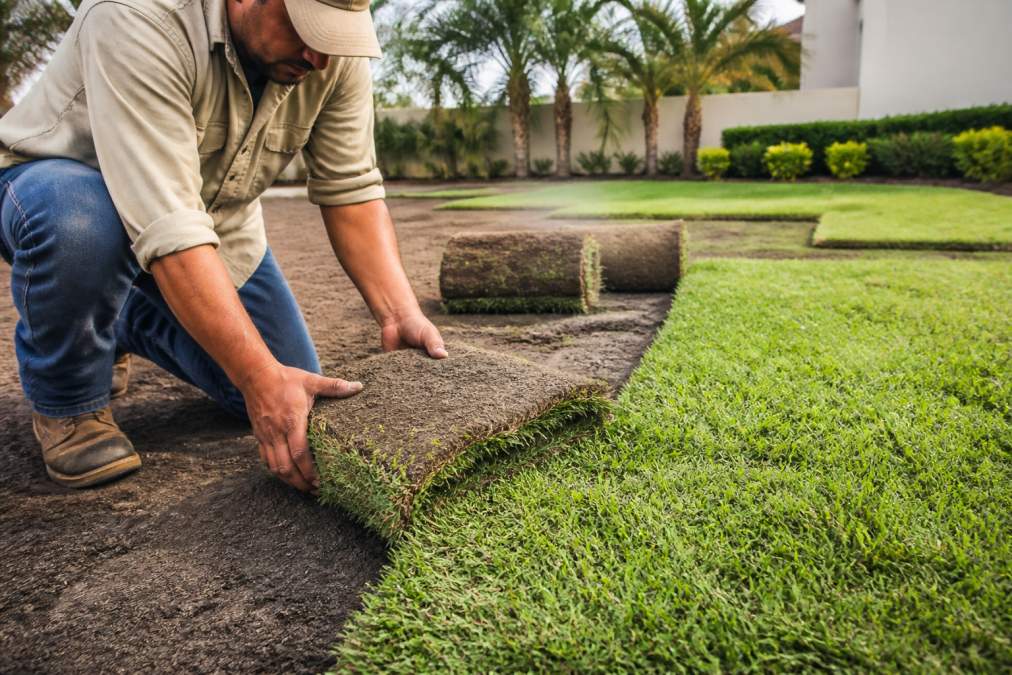
Sod installation in South Florida is a different job than it is almost anywhere else in the country. Between coral-rock and limestone subsoil, year-round heat, and a rainy season that can drop inches of water in an afternoon, new grass here either roots fast or fails fast.
That is why so many homeowners in North Miami, Miami-Dade, and Broward watch a fresh lawn die within two weeks. The sod was fine. The installation and the first month of care were not.
This guide from P&P Landscaping and Tree Service covers what actually drives the price, the watering schedule that keeps new sod alive, how to fix a patchy lawn without tearing out the whole yard, and the questions that separate a contractor who finishes the job from one who disappears.
Sod Installation Cost Per Square Foot in Miami: What Drives the Price
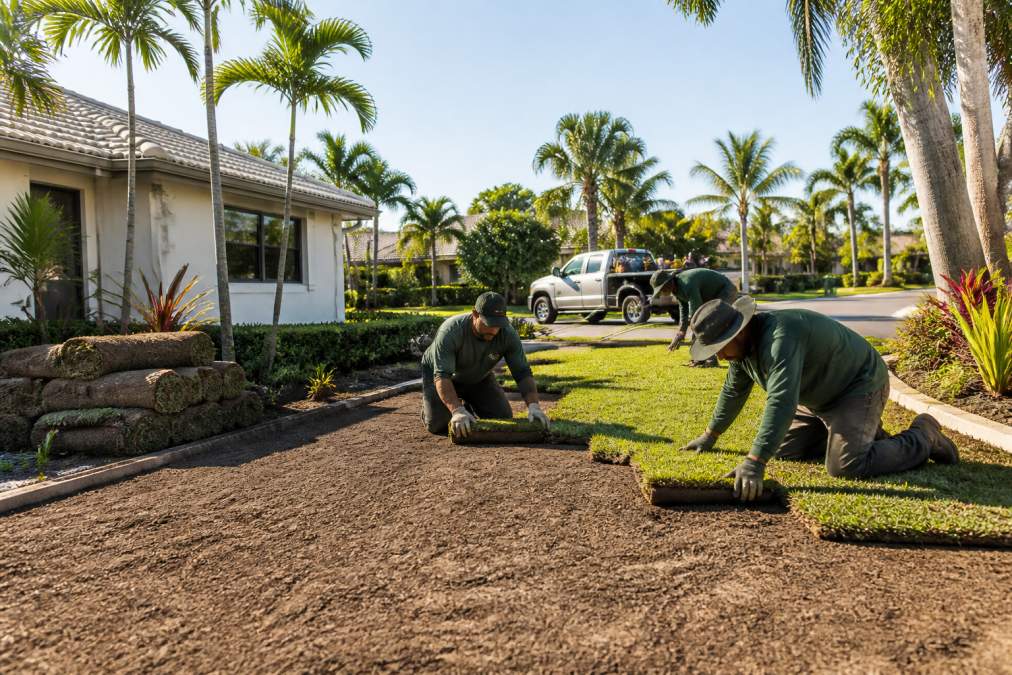
Sod installation pricing in Miami is quoted per square foot, and that number depends on the grass variety, how much site prep your yard needs, and whether irrigation has to be adjusted. No honest contractor can give you a firm figure over the phone.
What most quotes miss is that the grass itself is often the smallest line item. Removal and disposal of old sod, grading, soil amendments, and irrigation work usually decide the final number.
| Cost Driver | What It Covers | Why It Moves the Price |
|---|---|---|
| Grass variety | St. Augustine, Bahia, Zoysia | Different varieties carry different material costs |
| Old sod removal | Hauling away dead or existing lawn | Adds labor and disposal fees |
| Soil prep and grading | Leveling, amendments, compaction | The single biggest quality variable |
| Irrigation adjustment | Head height, coverage, zones | Prevents dry spots that kill new sod |
| Access and yard size | Gate width, slope, distance to curb | Tight or sloped lots take longer |
What a Written Estimate Should Include
A written estimate should state the square footage, the grass variety by name, whether old sod removal and disposal are included, how soil will be prepared and graded, and what happens to your irrigation. If any of those are missing, ask before you sign.
For current pricing on your specific yard, book an on-site estimate.
New Sod Watering Schedule in South Florida: The First 30 Days
The new sod watering schedule in South Florida is the single biggest factor in whether your lawn survives. During the first two weeks, new sod needs frequent, shallow watering to keep the soil beneath it consistently moist while roots knit into the ground.
- Days 1-7: Water lightly two to three times daily, early morning and mid-afternoon, enough to soak the soil under the sod without pooling.
- Days 8-14: Taper to once daily as roots begin to anchor. Tug a corner gently; if it lifts, it needs more water.
- Days 15-30: Move to deeper, less frequent watering to push roots downward.
- After 30 days: Transition to a normal lawn watering routine suited to your grass type and season.
Rainy Season Adjustments
South Florida's rainy season changes this schedule, and that is where a lot of new lawns drown. When afternoon storms are routine, cut back or skip irrigation cycles and watch for standing water. Fungus and root rot kill more new sod here than drought does.
How to Fix a Patchy Lawn in Florida Without Replacing Everything
How to fix a patchy lawn in Florida starts with finding out why it went patchy, because replacing grass over a soil or irrigation problem just repeats the failure. Most thin, bare, or dying spots trace back to one of a few causes.
- Compacted soil: Water and roots can't move through it. Aerate and amend before adding anything.
- Uneven irrigation: A misaligned or clogged head leaves a dry ring that spreads. Fix coverage first.
- Shade: St. Augustine thins under heavy shade. Match the grass to the light you actually have.
- Chinch bugs or disease: Irregular dead patches that spread need diagnosis, not more water.
- Mowing too low: Scalping stresses grass and invites weeds into the gaps.
For smaller areas, spot-sodding and top-dressing can restore a lawn at a fraction of full replacement cost. For large dead zones with failing soil underneath, partial replacement with proper prep is the more durable fix.
Choosing a Sod Installation Service in South Florida: What to Ask
Choosing a sod installation service in South Florida comes down to proof, not promises. Ask for the grass variety by name, a written scope, and photos of completed work in your area.
The questions worth asking:
- Which grass variety are you installing, and why is it right for my light and soil?
- Is old sod removal, disposal, and grading included in the price?
- How will you handle my irrigation, and who adjusts the heads?
- Can I see photos or addresses of jobs you finished in Miami-Dade or Broward?
- What does your follow-up look like after installation?
Signs a Contractor Will Actually Finish the Job
A contractor who will finish the job gives you a written scope, a clear timeline, and a cleanup plan before work starts. They walk the yard with you, explain what happens if it rains, and answer the phone after the invoice is paid.
Red flags: cash-only quotes with no paperwork, no local references, vague answers about soil prep, and no plan for debris removal. If a crew leaves pallets, scraps, and old sod on your curb and never returns, that is a contractor problem, not a bad-luck problem.
What P&P Landscaping and Tree Service Brings to Your Yard
P&P Landscaping and Tree Service is a family-owned and operated business with over two decades of experience in landscaping and tree care across Miami-Dade and Broward County. We handle sod installation as part of a complete outdoor service, which matters when your lawn problem is really a soil, drainage, or tree-shade problem.
Because we work in both landscaping and tree care, we can address the whole yard: grading and soil prep before sod goes down, irrigation adjustments so coverage is even, and tree trimming when overgrown canopy is what's shading out your grass. Every project runs from the first on-site consultation through to completion, with a tailored plan for your property rather than a one-size-fits-all package.
If you have been burned before by a lawn that died in two weeks, the difference is usually in the prep and the first 30 days of care. That is exactly where we focus.
A dead or patchy lawn is frustrating, and it is worse when you have already paid once for grass that never rooted. The fix starts with proper site prep, the right variety for your yard, and a watering plan built for South Florida's seasons, not a generic schedule.
P&P Landscaping and Tree Service brings over two decades of experience, family-owned service, and combined landscaping and tree care to every job, from sod installation to the tree work that keeps your lawn in the light it needs. Get started with P&P Landscaping and Tree Service and book an on-site estimate for your North Miami or Broward property.
Frequently Asked Questions
What is the best type of sod for South Florida lawns?
St. Augustine and Bahia are the two most common choices for South Florida yards. St. Augustine handles shade and foot traffic well and stays green year-round with proper irrigation. Bahia is more drought-tolerant and lower maintenance, which suits larger lots or rental properties. Zoysia is another option if you want a finer texture and can commit to regular mowing. The right pick depends on your sun exposure, soil, and how much upkeep you want, so ask for a site assessment before ordering.
How much does professional sod installation cost in North Miami?
Pricing depends on the square footage, grass variety, site prep needed, and whether old sod must be removed and hauled away. A yard with compacted or contaminated soil costs more because grading and amendments come first. Rather than quote a flat number, P&P Landscaping and Tree Service provides a written on-site estimate that lists each line item. Book an on-site estimate to get an exact figure for your property.
How often should I water new sod in the South Florida climate?
New sod needs daily watering for the first two weeks, often split into two short cycles so the moisture soaks in without runoff. Weeks three and four move to every other day, then taper to two or three times weekly once roots knit into the soil. During the rainy season, cut back on cycles and let rainfall do the work. Too much water causes rot, so check moisture by lifting a corner of sod before adding more.
How long does it take for new sod to root in Florida?
Most sod varieties root in two to four weeks when watered correctly and laid on properly prepared soil. You can check progress by gently tugging a corner; if it resists, roots have taken hold. Avoid heavy foot traffic and mowing for at least two weeks, then mow at the highest setting to avoid pulling young roots. Full establishment typically takes one full growing season.