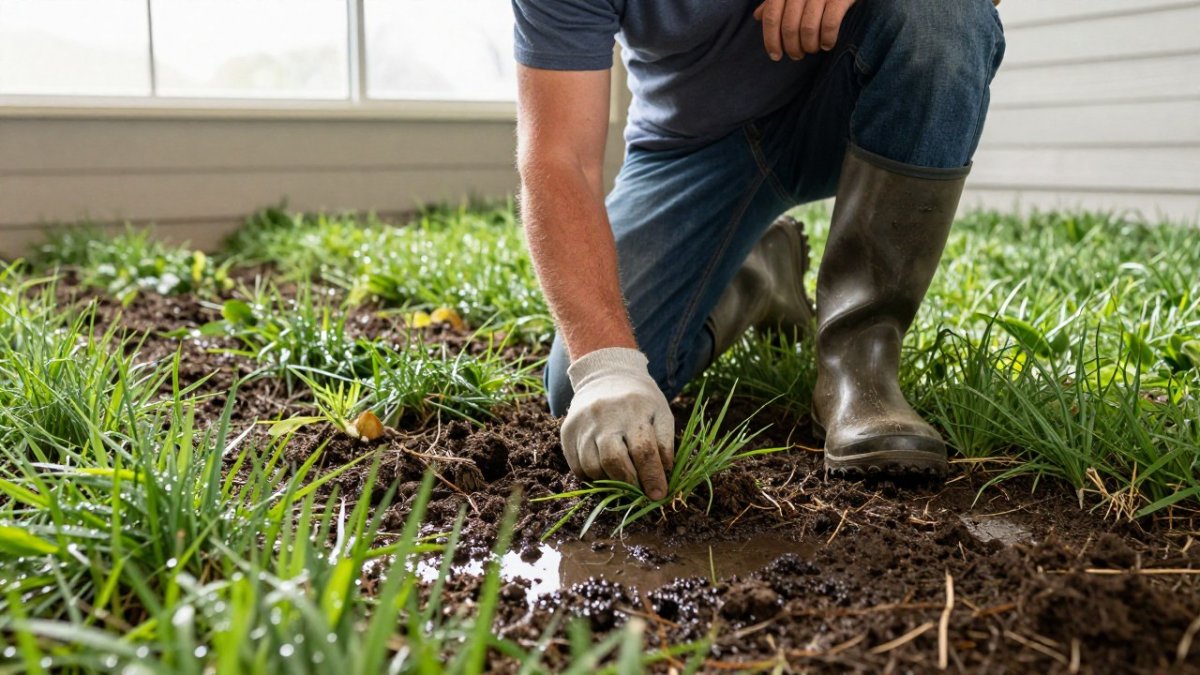
 How-to
Is Your New Sod Drowning? Signs of Overwatering
Last Updated: November 19, 2026
Quick Summary
Signs of overwatering sod include pale yellow blades, brown patches in low spots, spongy squishy soil, and puddles that sit for hours. Lift a corner: brown, mushy roots that pull away easily mean root rot from excess moisture. Yellowing from overwatering sod means drowning roots, so adding more water makes it worse.
- Push a screwdriver 2 inches into soil; if it slides in wet, wait another day before watering.
- Shut off irrigation for 2-3 days and keep it off through any rain to dry the root zone.
- Run a catch-can test with tuna cans for 15 minutes to measure your sprinkler's actual output.
- Don't fertilize overwatered sod, because stressed roots can't absorb nutrients and fertilizer can burn them.
- Water early morning, since evening watering leaves blades wet overnight and invites mildew.
Table of Contents
- Signs of Overwatering Newly Laid Sod
- How to Know if New Sod Is Overwatered or Underwatered
- How to Fix Overwatered Sod
- Watering Schedule for New Sod in Florida
- How North Miami Rainfall, Irrigation, and Drainage Affect New Sod
- Troubleshooting: Weeds, Fungus, and Sod That Won't Knit
- Book an On-Site Estimate for Your New Sod
- Frequently Asked Questions
Signs of Overwatering Newly Laid Sod
The fastest way to kill new sod is overwatering sod until it drowns. Signs of overwatering newly laid sod show up within days: yellow blades, spongy patches, and soil that stays wet long after you water. Most sod failures trace back to water problems rather than bad turf.
Here is the hard truth most guides skip: new sod needs moisture, not a flood. Too much water smothers roots and invites fungus. Too little water and the sod dries before it can knit to the soil. The window to get it right is short, usually the first two weeks.
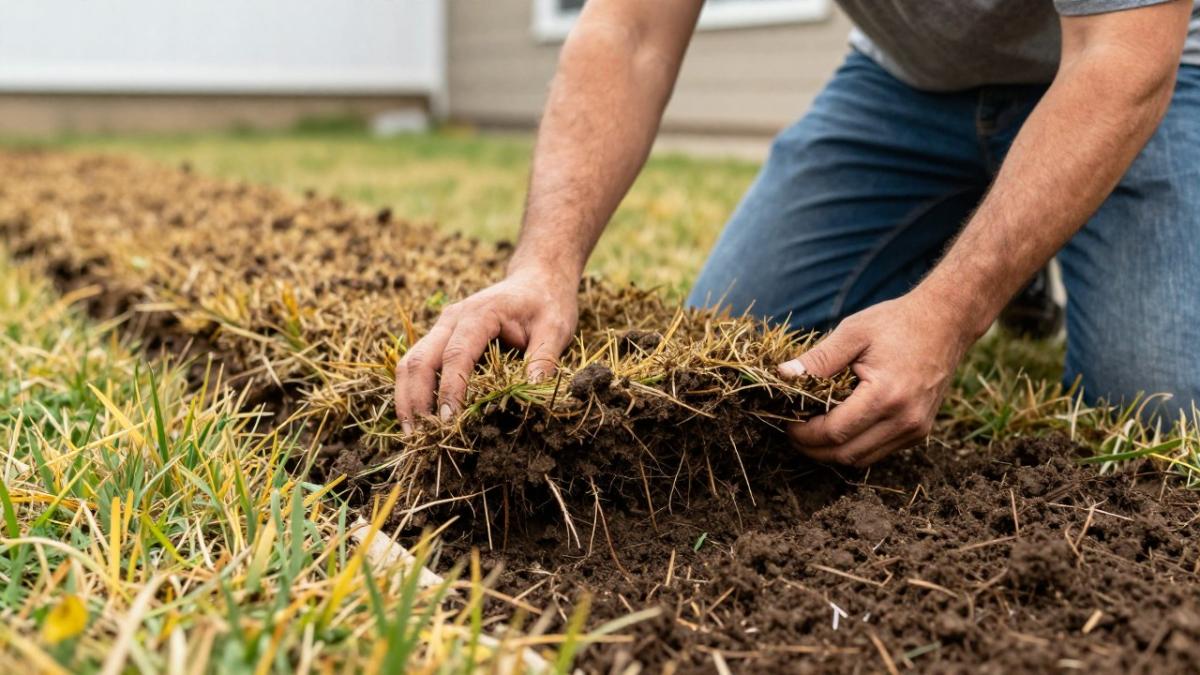
Yellowing, Browning, and Spongy Patches
Yellow grass is the first clue, but color alone won't tell you the cause. Overwatering sod turns blades pale yellow to brown, often in patches where water pools. Press your hand into the lawn. If it feels soft and squishy, like a wet sponge, the soil is saturated.
Watch for these color and texture changes:
- Pale yellow blades starting at the tips
- Brown patches that spread in low spots
- Soft, spongy spots underfoot
- Thatch that feels wet and matted
A common mistake is adding more water when grass yellows. That usually makes it worse. Yellowing from too much water means the roots are drowning, not thirsty. If your sod is yellowing, our guide on why new sod turns yellow breaks down every cause and fix.
Soggy Soil, Standing Water, and Root Rot
Soggy soil is the clearest sign of overwatering. Water should soak in within minutes. If puddles sit for hours, your soil is saturated and your sod is at risk. Root rot follows fast in South Florida's heat and humidity.
Root rot kills the roots that anchor sod to the ground. Lift a corner and check. Healthy roots are white and gripping the soil. Rotten roots are brown, mushy, and pull away with no resistance. Once rot sets in, the sod can't take up water even when the soil is wet.
Prevention beats repair here. Our steps to prevent root rot in tropical garden soil apply directly to new sod in our climate.
How to Know if New Sod Is Overwatered or Underwatered
Overwatered sod feels spongy and stays wet; underwatered sod feels dry and lifts easily, with curled blades. The two problems look alike from a distance, so check the soil, not just the grass. In North Miami, where summer rain can add an inch in an afternoon, the cause is often rainfall or uneven sprinkler coverage rather than your schedule.
Run this diagnostic decision tree before you water again:
- Push a finger or screwdriver 2 inches into the soil. If it slides in easily and feels wet, hold off watering. If it's dry and hard, the sod needs a drink.
- Lift a corner of sod and look at the roots and soil beneath. White roots gripping the soil are healthy; brown, mushy roots that pull away mean rot from excess moisture.
- Dig a small plug and squeeze the soil. Muddy soil that holds together means too much water. Crumbly, dry soil means too little.
- Check for standing water or puddles that persist more than a few hours after rain or irrigation. Persistent puddles point to drainage or low spots, not just overwatering.
- Look for gray patches, mold, or mildew, which indicate disease favored by wet conditions rather than simple underwatering.
- Compare sprinkler coverage: overspray on pavement or dry spots next to soggy spots means uneven output, so measure with a catch-can test before changing run times.
If the soil is wet but the grass is wilting, the problem is root damage from too much water, not thirst. If the soil is dry and the sod lifts easily, it's underwatering. If the soil is wet and the sod won't knit after two weeks, suspect drainage or installation.
For a deeper check, dig a small plug and squeeze the soil. Muddy soil that holds together means too much water. Crumbly, dry soil means too little. Our guide on how to tell if new sod is getting enough water walks through this in more detail.
How to Fix Overwatered Sod
The fix for overwatered sod is to dry the root zone deliberately, not just to skip a watering. In North Miami's heat and humidity, saturated soil can stay wet for days after rain, so recovery depends on measuring moisture and adjusting irrigation output rather than following a fixed calendar.
Start with these steps:
- Shut off irrigation for 2-3 days, and keep it off through any rain.
- Before each watering, push a screwdriver 2 inches into the soil. If it slides in easily and comes out wet, wait another day.
- Run a catch-can test: place several tuna cans or similar straight-sided containers across the lawn, run the zone for 15 minutes, and measure the depth collected. That tells you your sprinkler's actual output in inches per hour so you can set run times instead of guessing.
- Aerate soggy spots with a core aerator to open the surface and speed drying.
- Fix low spots that hold water by adding soil or regrading, because a puddle that persists after rain will keep re-saturating the sod.
- Apply a fungicide only if you see active mold, mildew, or gray patches, and follow the label rate.
- Re-sod dead patches once the soil beneath is dry to the touch at 2 inches.
Watch out: don't fertilize overwatered sod. Stressed roots can't absorb nutrients, and fertilizer can burn what's left. Wait until the lawn is actively growing again.
If the sod is still spongy after two weeks of reduced watering, or if roots pull away brown and mushy when you lift a corner, the problem may be drainage or installation rather than irrigation. At that point, contact your installer or a turf professional to check grading and soil composition.
Grass type matters here. Adjust your drying period to the variety you installed rather than applying one schedule to every lawn.
Watering Schedule for New Sod in Florida
New sod in Florida typically needs frequent, short watering sessions during the first week. After that, cut back gradually. Heat and humidity here dry sod fast, but they also feed fungus when the ground stays wet.
A workable schedule looks like this:
| Timeframe | Watering Frequency | Goal |
|---|---|---|
| Days 1-7 | 2-3 times daily, short sessions | Keep soil moist |
| Days 8-14 | Once daily | Deepen roots |
| Weeks 3-4 | Every 2-3 days | Encourage deep rooting |
| Week 5+ | 1-2 times per week | Normal maintenance |
Early morning is the best time to water. Evening watering leaves blades wet overnight and invites mildew. Adjust for rain, and always check soil moisture before you water again.
How North Miami Rainfall, Irrigation, and Drainage Affect New Sod
North Miami's wet season dumps heavy rain, and that changes everything. During summer, your sprinkler system may be doing more harm than good. Rain alone can keep new sod saturated for days.
Drainage is the other half of the story. Many yards here sit on clay soil that drains slowly. Sloped areas shed water fast, while low spots collect it. If your yard holds puddles after rain, fix the drainage before you lay sod.
A few local rules we follow:
- Turn off irrigation during heavy rain weeks.
- Check sprinkler heads for overspray on pavement.
- Add soil or grading to low spots that hold water.
- Use a rain sensor on your irrigation system.
Troubleshooting: Weeds, Fungus, and Sod That Won't Knit
Weeds and fungus love wet ground. If your new sod won't knit to the soil, excess moisture is often the reason. The roots can't grow down when the soil is waterlogged.
Here's what to check:
- Weeds: Pull them by hand early. Wet soil makes them easy to remove.
- Fungus: Look for mold, mildew, or gray patches. Improve airflow and cut watering.
- Sod that won't knit: Lift a corner. If roots aren't gripping after two weeks, the soil is too wet or too dry.
Sod that won't knit is often a rooting timeline problem. Our guide on how long new sod takes to root explains what's normal and when to worry. Turf recovery is possible, but timing matters.
Book an On-Site Estimate for Your New Sod
Getting new sod right starts before the first roll goes down. Soil prep, grading, and drainage decide whether your lawn thrives or drowns. That's where we come in.
P&P Landscaping and Tree Service is a family-owned business with over two decades of experience in landscaping and tree care. We tailor services to unique needs, from design through sod installation and professional tree maintenance.
Ready to get it right? Book an on-site estimate for your new sod and get a free assessment from our North Miami team.
Your new sod shouldn't be a gamble. Watering mistakes kill more lawns than bad turf ever does, and the fix starts with a proper look at your soil and drainage. P&P Landscaping and Tree Service handles sod installation, tree care, and full landscape work for homes and businesses across Miami-Dade and Broward. Get started with P&P Landscaping and Tree Service and give your new lawn the foundation it needs to take root.
Frequently Asked Questions
How can you tell if newly laid sod is overwatered?
Lift a corner of the sod and look at the soil underneath. If it is muddy, waterlogged, or smells sour, the sod is overwatered. Other signs include yellowing or browning blades, a spongy feel when you walk on it, standing water in low spots, and roots that stay shallow instead of knitting into the existing soil. Fungal growth and weeds in wet patches are also common.
Can sod recover from overwatering?
Yes, if the damage is caught early. Stop watering, improve drainage in low spots, and let the soil dry to a damp-but-not-wet feel before resuming a reduced schedule. Sod with yellowing but firm turf usually recovers within two to three weeks. If roots are black and mushy or the sod lifts away easily, that section may need replacement.
What should new sod look like after one week?
After the first week, new sod should look evenly green with no large yellow or brown patches. The seams should be closing, and the turf should feel firm underfoot, not squishy. Some minor stress is normal, but standing water, sour-smelling soil, or sod that slides when stepped on point to overwatering rather than normal settling.
How often should you water new sod in North Miami?
In a hot, humid, rainy climate, new sod usually needs short, frequent watering in the first two weeks, then a gradual shift to deeper, less frequent watering. During the rainy season, cut back on irrigation when storms deliver water. A moisture meter or the lift-and-check method helps you avoid watering on top of rainfall.