 listicle
Landscaping Services for Rental Properties
Table of Contents
- What Landscaping Services Do Rental Properties Need?
- Creating a Landlord Landscaping Checklist
- Understanding Rental Property Landscaping Costs
- Low-Maintenance Landscaping for Rental Properties
- Tree Trimming for Rental Properties
- Professional Landscaping Service Providers for Rental Properties
- How to Choose the Right Landscaping Service for Your Rental
- Frequently Asked Questions
Last Updated: October 8, 2026
What Landscaping Services Do Rental Properties Need?
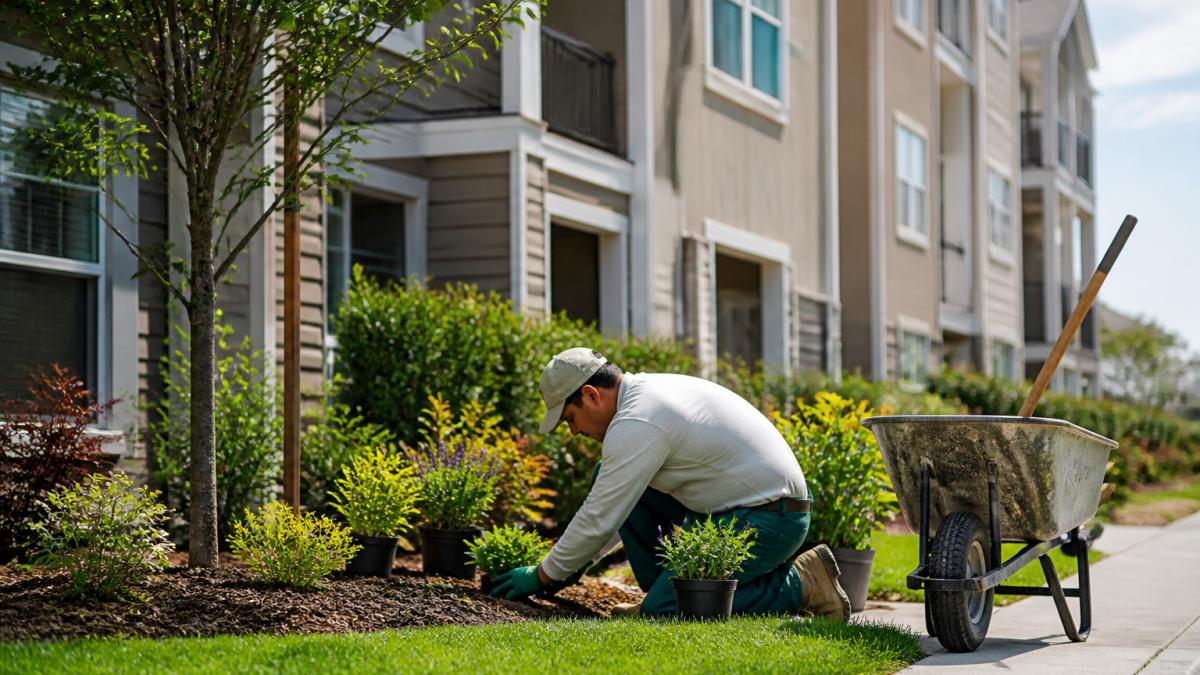
Rental properties require consistent landscaping services for rental properties to maintain curb appeal, protect tenant safety, and preserve property value. Unlike owner-occupied homes, they face unique demands: tenants expect maintained grounds, managers need predictable costs, and landlords want minimal liability.
Core services fall into three categories. Routine maintenance (mowing, edging, seasonal cleanup) keeps the property presentable. Structural work (tree trimming, hazardous branch removal, hardscape repairs) prevents accidents and liability claims.
Many landlords underestimate how much landscaping affects tenant retention and marketability. A well-maintained exterior signals responsible management, reduces emergency calls, and justifies higher rental rates. Strategic landscaping investments can pay for themselves through reduced turnover and fewer damage claims.
The question isn't whether to invest in landscaping services for rental properties, it's which deliver the best return.
Creating a Landlord Landscaping Checklist
A landlord landscaping checklist ensures nothing falls through the cracks between seasons and tenant transitions. Start with monthly mowing during growing season, quarterly hazardous-branch inspections, and post-storm cleanup.
Add these critical items to your rental property landscaping checklist:
- Inspect trees for dead or crossing branches monthly during growing season
- Trim trees away from roof, gutters, and power lines quarterly
- Remove debris from gutters and downspouts after storms
- Check for pooling water or drainage issues after heavy rain
- Inspect hardscape (patios, walkways) for cracks or tripping hazards
- Edge lawn and trim weeds along fence lines before tenant move-ins
- Aerate and overseed thin grass patches in fall or early spring
- Remove weeds from flower beds or hardscape cracks monthly
- Inspect irrigation systems before each season and after repairs
- Document all landscaping work with photos for insurance and tax records
Timing matters. Spring: cleanup and plantings. Summer: mowing and irrigation checks. Fall: leaf removal and pruning before hurricane season. Winter: sod or hardscape projects when tenant disruption is minimal.
Property managers often use digital tools to track this checklist. Landlord Studio and Avail offer maintenance tracking to log completed work, attach photos, and calculate landscaping expenses for tax purposes, demonstrating consistent upkeep during disputes or insurance claims.
Understanding Rental Property Landscaping Costs
Landscaping services for rental properties vary by scope, location, and size. A small suburban single-family rental costs less than a multi-unit property or one with mature trees and complex hardscape.
Routine maintenance typically runs per visit. Standard mowing and edging rates are market-dependent. Quarterly deep cleaning (debris removal, bed edging, power washing hardscape) costs more but extends the life of landscaping features.
Tree work carries premium pricing due to specialized equipment and insurance. Hazard-removal trimming runs higher than routine pruning, and emergency post-storm removal is the most expensive option, which is why preventive trimming saves money over time.
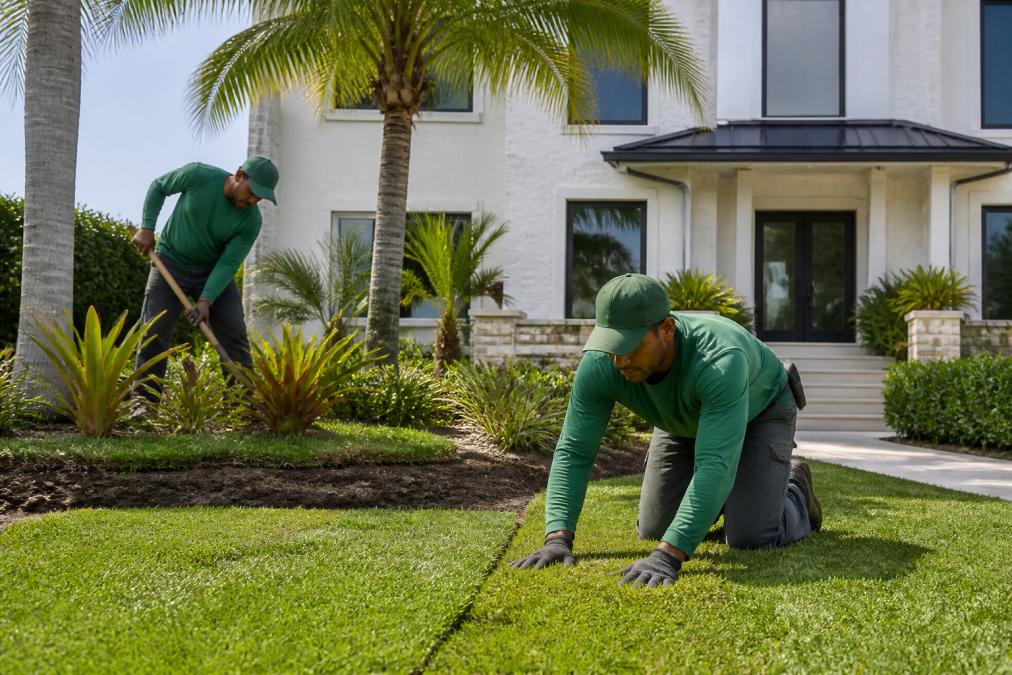
Major projects like sod installation, hardscape construction, or landscape redesign are priced per project.
Tracking landscaping expenses through property management software helps with budgeting. Breasy and Landlord Studio benchmark your spending against similar properties, helping justify expenses to co-owners or investors and flag overspending.
Low-Maintenance Landscaping for Rental Properties
Low-maintenance landscaping for rental properties reduces tenant complaints, lowers ongoing costs, and simplifies management. The strategy: replace high-demand plants and grass with durable alternatives.
Xeriscaping, landscaping with drought-tolerant plants and minimal water needs, works well in rentals. Native plants require less fertilizer, fewer pest treatments, and less watering.
Hardscape alternatives replace grass in high-traffic areas. Pavers, mulch beds, and gravel require no mowing, minimal weeding, and no irrigation.
Groundcover plants (creeping junipers, ornamental grasses, sedums) fill space without mowing. Shrubs and small trees add structure without the hazards of large mature trees.
Mulch reduces weeds, conserves soil moisture, and improves soil health (Mulching woody ornamentals with organic materials). A 2-3 inch layer in planting beds cuts weeding frequency and eliminates neglected-looking bare soil.
Irrigation automation (drip systems or smart sprinklers) reduces water waste and ensures consistent coverage without tenant involvement. A broken head or clogged line needs repair, not daily attention.
Tree Trimming for Rental Properties
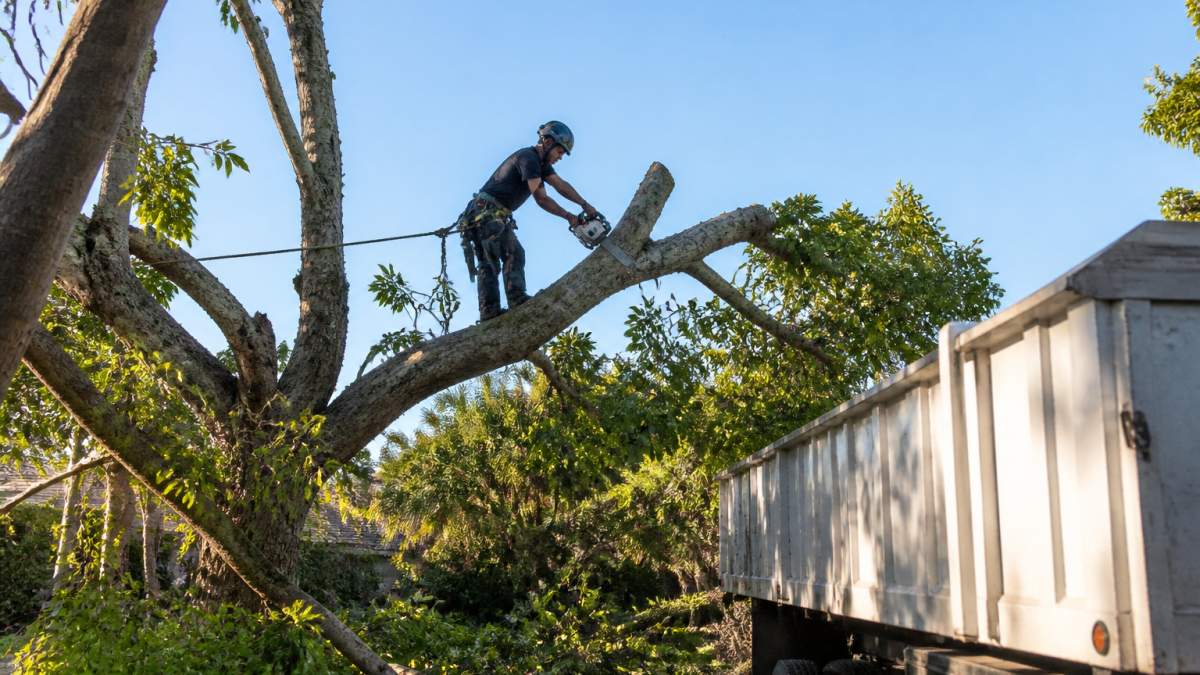
Tree trimming for rental properties serves two purposes: safety and aesthetics. Overgrown branches create liability, block views, and damage property. Professional trimming removes hazards while maintaining tree health.
Hazard trimming removes dead wood, crossing branches, and limbs growing toward structures.
Crown thinning removes interior branches to reduce wind resistance and improve light penetration, lowering storm damage risk and helping grass grow beneath the canopy. It's especially important for mature trees in high-wind areas.
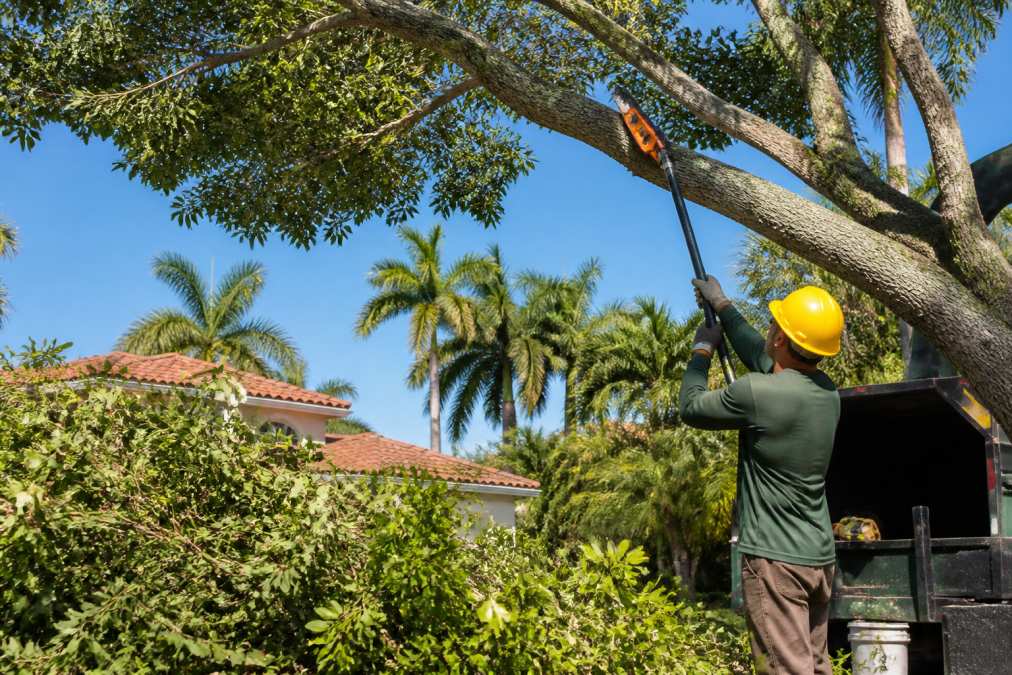
Clearance trimming removes branches from roofs, gutters, power lines, and neighboring properties, preventing water damage, pest entry, and neighbor disputes.
Timing matters for tree health. Late winter and early spring are ideal because trees are dormant and wounds heal quickly. Storm season trimming should happen before the season starts, not after damage occurs.
P&P Landscaping and Tree Service handles both routine maintenance trimming and hazard removal. Our team identifies problem branches before they become emergencies, reducing tenant complaints and insurance claims.
Professional Landscaping Service Providers for Rental Properties
Choosing the right landscaping services for rental properties depends on your needs, budget, and property size. Some providers specialize in routine maintenance. Others focus on design and installation. Many offer both. Here's how the leading options compare.
P&P Landscaping and Tree Service
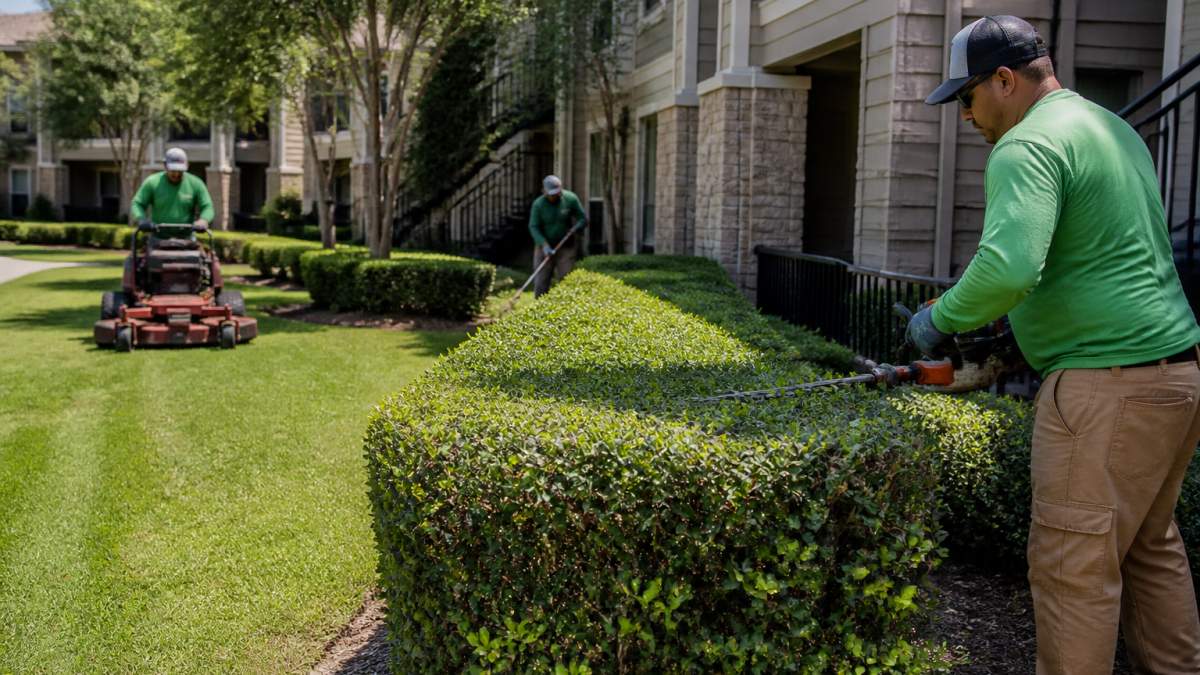
P&P Landscaping and Tree Service is our top pick for rental property owners seeking comprehensive landscaping services. As a family-owned business with over two decades of experience, we handle both routine maintenance and specialized tree care, the combination most rentals need.
Our approach to landscaping services for rental properties focuses on reliability and cost control. We work with landlords to understand their budget constraints and property-specific challenges.
What sets us apart: we manage both the aesthetic and safety sides of rental property landscaping. A property might need monthly mowing, quarterly tree inspections, and annual hardscape maintenance, three service types most landlords juggle across multiple vendors.
Our commitment to seamless project execution means we show up, complete the work, and clean up without tenant involvement or follow-up from you. For busy landlords managing multiple properties, that consistency matters.
GreenPal
GreenPal is a digital marketplace connecting property owners with local lawn care professionals. It's best for landlords managing multiple rental properties who want a centralized platform for scheduling and payment.
The platform lets you post your landscaping needs, mowing, edging, cleanup, and receive bids from local vendors. You choose the vendor, schedule the work, and pay through the app. Bidding creates competitive pricing, and the dashboard tracks work across multiple properties.
What works: competitive pricing through vendor bidding, mobile app for managing multiple locations, and transparent service verification. What doesn't: pricing varies significantly based on property size and complexity, and you're dependent on vendor reliability, the platform connects you but doesn't guarantee quality.
Best for: landlords who prefer to shop vendors individually and want the flexibility to switch providers based on price.
Copper State Landscape Design
Copper State Landscape Design specializes in sustainable, low-maintenance landscape design for rental and residential properties. It's ideal if your rental has poor soil, drainage issues, or high maintenance costs you want to reduce through design changes.
The firm focuses on xeriscaping and low-water solutions that reduce ongoing irrigation and maintenance costs. If your rental has bare patches, compacted soil, or constant drainage problems, a professional landscape redesign can transform the property into something more durable and attractive.
What works: reduces long-term maintenance costs through thoughtful design, expertise in sustainable regional landscaping, and professional installation. What doesn't: initial design and installation costs are significant, so this works best if you plan to own the rental long-term.
Best for: landlords looking to reduce long-term maintenance burden through landscape redesign rather than ongoing vendor management.
Kikos Hardscape
Kikos Hardscape specializes in durable hardscape installation, pavers, concrete work, drainage systems, and outdoor living spaces. It's best for rentals with problem areas (bare patches, compacted soil, high-traffic zones) where grass maintenance is constant and unsatisfying.
Hardscape replacement eliminates mowing in specific areas, reduces weeding, and creates more durable surfaces. A patio, walkway, or common space with pavers requires no maintenance beyond occasional sweeping. This is especially valuable for multi-unit rentals or properties with heavy foot traffic.
What works: increases property durability, reduces long-term landscaping maintenance needs, and improves aesthetic appeal. What doesn't: focuses on hardscape rather than lawn and plant care, so you'll still need a separate vendor for mowing and routine maintenance.
Best for: landlords wanting to reduce maintenance-intensive grass areas and create durable, attractive outdoor spaces.
How to Choose the Right Landscaping Service for Your Rental
Start by defining what your rental property actually needs.
Ask these questions:
What's your primary pain point? Routine maintenance you don't have time to manage, hazardous trees that worry you, or poor curb appeal affecting leasing? Different vendors excel at different problems.
How many properties do you manage? Single-property owners benefit from a vendor relationship.
What's your budget? Routine maintenance costs less than design work or tree removal. Preventive tree trimming costs less than emergency removal. Understanding your budget constraints helps you prioritize.
Do you need one vendor or multiple? Some landlords prefer one comprehensive provider; others like separate vendors for mowing, tree care, and hardscape.
What does your property specifically need right now? Mature trees need professional tree care and hazard assessment. Drainage issues need hardscape work or landscape redesign.
When evaluating landscaping services for rental properties, ask vendors about their rental experience specifically.
Request references from other rental property owners. Ask about consistency: do they show up on schedule? Do they communicate proactively about problems? Do they handle cleanup without tenant involvement?
Managing landscaping services for rental properties doesn't require perfection, it requires consistency and strategic choices. P&P Landscaping and Tree Service offers over two decades of experience in both routine maintenance and specialized tree care as one integrated program. Schedule an on-site estimate with P&P Landscaping and Tree Service to discuss your rental property's specific needs and create a landscaping plan that protects your investment while keeping costs predictable.
| Service Type | Best For | Cost Structure | Key Benefit |
|---|---|---|---|
| Routine Maintenance (Mowing, Edging) | All rental properties | Per-visit or monthly contract | Consistent curb appeal, tenant satisfaction |
| Tree Trimming & Hazard Removal | Properties with mature trees | Per-project or hourly | Liability reduction, storm season safety |
| Landscape Redesign & Installation | Problem properties, long-term holds | Per-project | Reduced ongoing maintenance costs |
| Hardscape Installation | High-traffic areas, multi-unit properties | Per-project | Durability, zero maintenance surfaces |
| Digital Management Platforms | Multi-property landlords | Monthly subscription or per-service | Centralized scheduling, cost tracking |
Frequently Asked Questions
What landscaping services do rental properties need?
Rental properties typically need routine lawn mowing, edging, and trimming to maintain curb appeal and tenant satisfaction. Tree trimming, seasonal cleanup, and basic hardscape maintenance are also important. The specific services depend on the property's size, local climate, and lease terms. Most landlords prioritize low-maintenance options that keep costs predictable and reduce liability risks.
How often should a rental property's lawn be mowed?
Most rental properties benefit from weekly or bi-weekly mowing during the growing season. The exact frequency depends on grass type, rainfall, and local climate conditions. Regular mowing prevents overgrowth, maintains curb appeal, and reduces tenant complaints. Scheduling consistent service through a professional provider ensures the property always looks maintained and tenant-ready.
How can landlords keep rental property landscaping costs under control?
Choose low-maintenance landscaping designs that require less frequent service. Use hardscaping (pavers, concrete) instead of high-maintenance grass in problem areas. Schedule regular maintenance rather than emergency repairs, which cost more. Get multiple quotes from local providers and consider bundling services. Track all landscaping expenses for tax deductions, and discuss maintenance expectations with tenants to prevent damage.
Who is responsible for landscaping at a rental property, the landlord or tenant?
Landlords are typically responsible for maintaining the exterior grounds, including lawn care and tree maintenance. Most leases specify that tenants are responsible for minor upkeep like watering, but landlords handle professional maintenance. Clear lease language prevents disputes. Landlords should maintain the property to preserve its value and meet local housing codes. Professional landscaping services ensure consistent, quality maintenance.