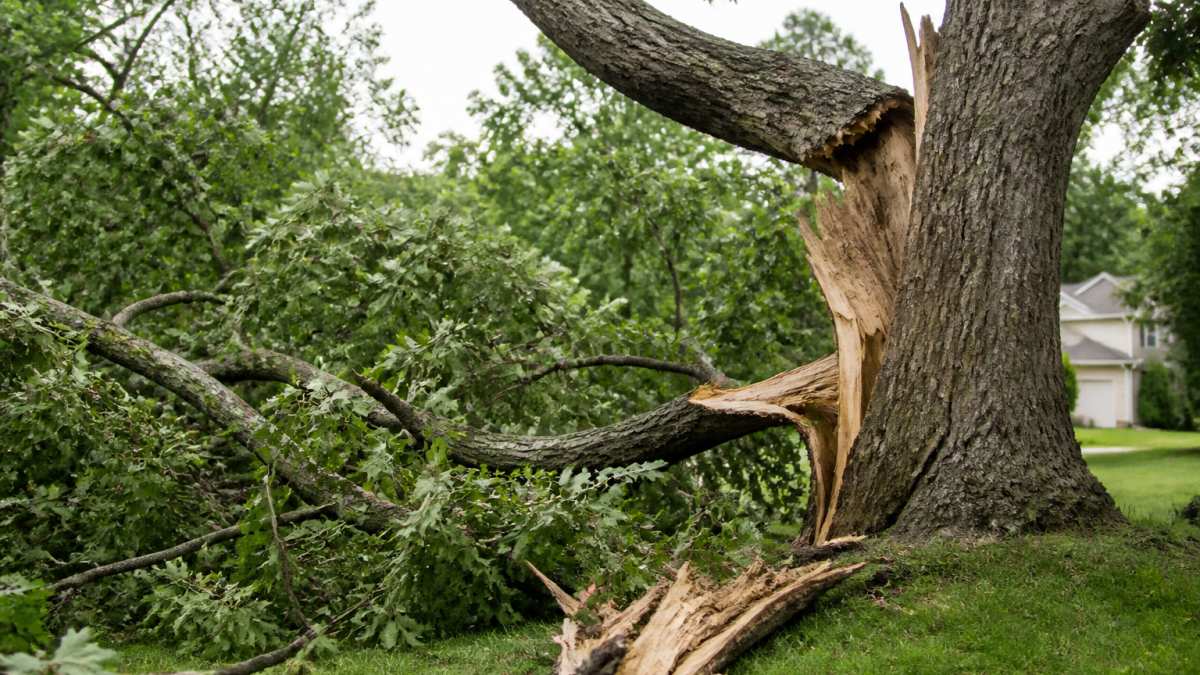
 how-to
Preventing Storm Damage to Trees: 2026 Prep Guide
Table of Contents
- Storm Damage to Trees: What Miami-Dade Homeowners Need to Know
- What You'll Need Before You Start
- Step 1: Inspect Every Tree for Hidden Weak Points
- Step 2: Tree Pruning for Hurricane Preparedness
- Step 3: Staking and Bracing Young Trees
- Step 4: Choose Wind-Resistant Trees for South Florida
- Step 5: When to Hire Local Tree Removal Experts
- Common Mistakes to Avoid
- Frequently Asked Questions
Last Updated: September 30, 2026
Storm Damage to Trees: What Miami-Dade Homeowners Need to Know
Preventing storm damage to trees starts long before a hurricane warning is issued. It begins with routine inspections, smart pruning, and choosing the right species for South Florida's wind and rain. This guide from P&P Landscaping and Tree Service covers the exact steps homeowners in North Miami and across Miami-Dade and Broward counties can take in 2026.
The stakes are high. A falling limb can crush a roof, take down a power line, or injure someone in the yard. Most of that damage is preventable when you act early.
Below, we'll walk through five steps, from inspection to hiring help. We'll also flag the mistakes that cause the most damage.
What You'll Need Before You Start
Gather your tools and safety gear before you touch a single branch. Working above your head or near power lines is dangerous without the right setup.
Here's what to have on hand:
- Work gloves and safety glasses
- A pole pruner or lopper for reach
- A hand saw for small limbs
- Sturdy closed-toe boots
- A ladder rated for your weight
- Sun protection and water
Skip the chainsaw unless you're trained. One wrong cut on a heavy limb can send it the wrong way.
Step 1: Inspect Every Tree for Hidden Weak Points
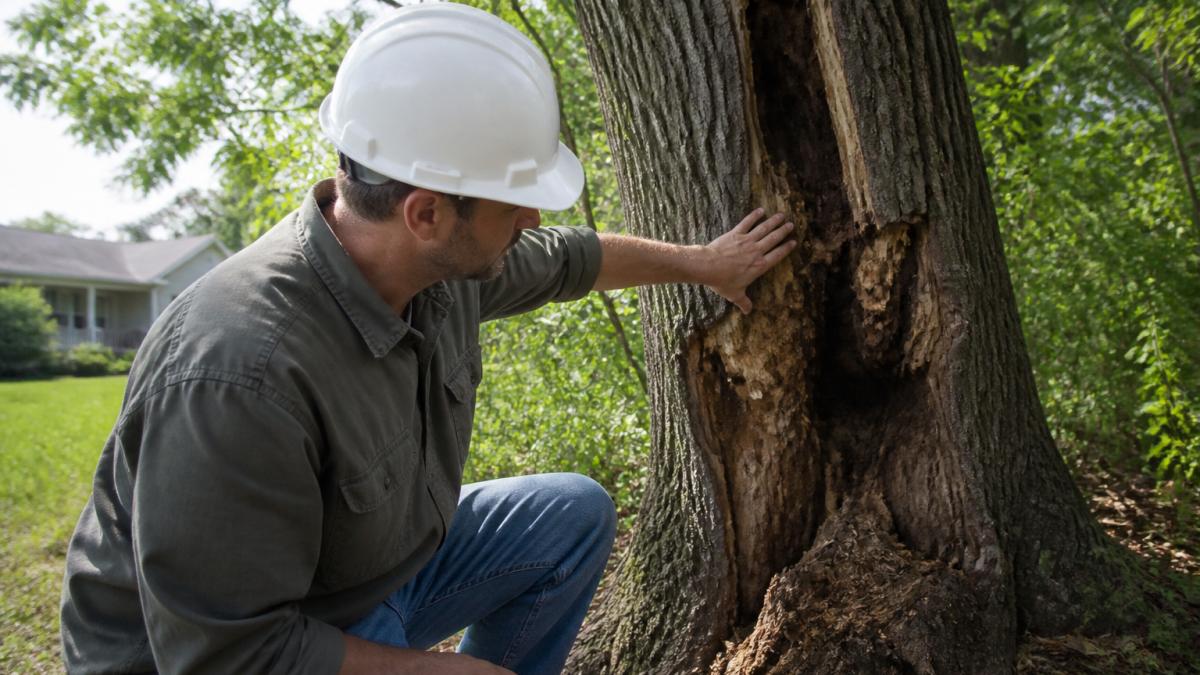
Walk your property and check each tree from the ground up. Look for cracks, dead wood, and leaning trunks. These are the weak spots that fail first in high wind.
Start your inspection in the dry season. You'll see problems clearly without leaves and rain hiding them.
Check these areas on every tree:
- Cracks or splits in the trunk
- Hollow or soft spots
- Mushrooms or fungus at the base
- Dead branches still attached
- Roots that are lifting or exposed
A tree that leans suddenly is a red flag. So is soil that's heaved up on one side.
Reading the Warning Signs
Some problems need a trained eye. A certified arborist can spot internal decay that you can't see from outside.
Watch for these signals:
- Bark peeling away from the trunk
- A V-shaped fork with bark trapped inside
- Branches that cross and rub together
- Cankers or sunken spots on limbs
If you find any of these, get a professional opinion before storm season. Catching a weak tree early is far cheaper than cleaning up after it falls.
Step 2: Tree Pruning for Hurricane Preparedness
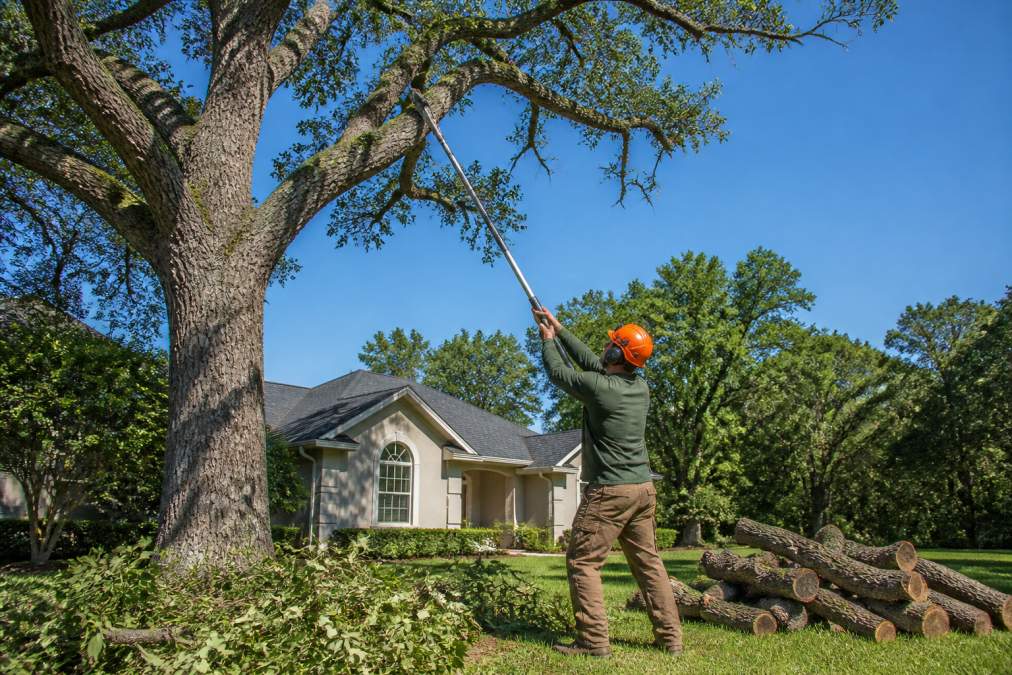
Tree pruning for hurricane preparedness means removing dead, weak, and crowded branches so wind passes through the canopy instead of catching it. The goal is a tree that bends with the wind, not one that fights it.
Prune in late winter or early spring, before the storm season ramps up. Avoid heavy cutting right before a storm, since fresh wounds don't heal in time.
What to Cut and What to Leave
Focus on structure, not size. A thinner tree isn't always a safer tree.
Cut these:
- Dead, dying, or broken limbs
- Branches that cross or rub
- Weak, narrow-angled forks
- Limbs hanging over your roof or driveway
Leave these:
- The main leader and strong scaffold branches
- Lower branches that shade the trunk
- Any branch you can't reach safely
Never top a tree. Topping creates weak regrowth that snaps easily in wind. It also stresses the tree and invites disease.
Step 3: Staking and Bracing Young Trees
Young trees need support to grow straight and strong, but only for a short time. Staking helps a new tree stay upright while its roots take hold.
Use two stakes placed on opposite sides of the trunk. Tie them with soft, flexible material that won't cut the bark.
Follow these rules:
- Stake only for the first one to two years
- Allow some movement so the trunk thickens
- Remove ties and stakes once the tree stands on its own
- Check ties monthly for rubbing or tightness
Bracing uses cables or rods to support weak limbs on mature trees. This is a job for a certified arborist. Done wrong, bracing can do more harm than good.
Step 4: Choose Wind-Resistant Trees for South Florida
Wind-resistant trees for South Florida share a few traits: strong wood, deep roots, and a flexible canopy. Choosing the right species is the single best long-term defense against storm damage.
Good picks for the region include live oak, sabal palm, and bald cypress. These handle wind and salt well.
| Tree Type | Wind Strength | Best For | Watch Out For |
|---|---|---|---|
| Live oak | High | Large yards | Slow growth |
| Sabal palm | High | Coastal lots | Frond cleanup |
| Bald cypress | High | Wet soil | Needs space |
| Ficus | Low | Shade | Weak, invasive roots |
| Australian pine | Low | None | Banned in many areas |
Avoid ficus and Australian pine near your home. Both have shallow roots and brittle wood that fail in strong wind.
Plant new trees at least 15 feet from your house and any power lines. Give roots room to spread.
Step 5: When to Hire Local Tree Removal Experts
Call a professional when a tree is too big, too close to a structure, or already showing signs of failure. If you need to hire local tree removal experts in North Miami, look for a licensed and insured company with a track record in your area.
Signs it's time to call:
- The tree leans toward your home
- Large dead limbs hang overhead
- The trunk has cracks or hollow spots
- Roots are damaged or lifting
- The tree sits near power lines
A pro can also handle stump grinding, debris hauling, and permits. That's the difference between a clean job and a mess left behind.
At P&P Landscaping and Tree Service, our team brings over two decades of experience to every job. We handle everything from inspection to cleanup, so you're not left with a pile of branches.
Common Mistakes to Avoid
The biggest mistake is waiting until a storm is named. By then, it's too late to prune safely or book a crew.
Other errors we see often:
- Topping trees instead of thinning them
- Pruning right before a storm
- Ignoring dead limbs overhead
- Planting weak species near the house
- Skipping the annual inspection
Each of these turns a manageable tree into a hazard. A little planning in the dry season saves a lot of damage in the wet one.
For homeowners near me in North Miami and across Broward County, an annual check is the simplest habit to build. It takes an hour and can save thousands in repairs.
Frequently Asked Questions
What are the most wind-resistant trees for South Florida landscapes?
Live oak, sabal palm, gumbo limbo, and bald cypress handle high winds better than most species. These trees have deep root systems and flexible wood that bends without snapping. Avoid planting ficus, Australian pine, and earleaf acacia, which topple or lose large limbs in tropical storms. If you are choosing new trees, pick native species that evolved in hurricane zones. A local tree service can recommend the best options for your soil and space.
How do I assess my trees for storm hazards before hurricane season?
Walk your property and look for dead branches, cracks in the trunk, mushrooms at the base, and shallow root plates. Check for leaning trunks and branches that cross or rub. Any tree with a hollow trunk or large cavities needs a professional evaluation. Also note trees close to power lines or your roof. Document what you find with photos and dates, then schedule a certified arborist to confirm which trees are safe and which need work.
Should I prune my trees before a major storm hits North Miami?
Yes, but timing matters. Prune in late spring, at least two months before peak hurricane season. This gives cuts time to seal and reduces the chance of fresh wounds becoming entry points for disease. Remove dead wood, thin the canopy to let wind pass through, and reduce long limbs that could whip and break. Never top a tree or remove more than 25 percent of the canopy at once. For large or hazardous trees, hire local tree removal experts rather than doing it yourself.
What is the best way to secure young trees against high winds?
Stake young trees for the first one to two years after planting. Use two or three flexible straps or ties attached to stakes driven into the ground at a 45-degree angle. Allow slight movement so the trunk develops strength. Remove stakes after two growing seasons. For palms, tie fronds together loosely before a storm and untie them afterward. Water deeply before a storm to hydrate roots, but do not overwater, which can loosen soil.
Storm season in South Florida doesn't wait, and neither should your prep. P&P Landscaping and Tree Service can inspect your trees, handle safe pruning, and remove hazards before they become a problem. As a family-owned business with over two decades of experience, we offer tailored tree care and seamless project execution from consultation to cleanup. Get started with P&P Landscaping and Tree Service and protect your property before the next storm.