 Listicle
Are Professional Tree Pruning Services Worth It?
Last Updated: November 6, 2026
Quick Summary
Professional tree pruning services are generally worth it because trained crews remove deadwood, thin canopies, and correct weak structure, which keeps trees healthy and lowers storm and falling-branch risk. Pruning cannot guarantee a tree survives a major hurricane, but it reduces the specific failure points that make trees hazardous.
- Pruning removes dead and diseased wood, stopping decay from spreading into healthy tissue.
- Pruning before June 1 is one of the few ways homeowners can reduce hurricane-season tree risk.
- Topping weakens trees and produces brittle regrowth, so certified arborists avoid it.
- Look for the ISA Certified Arborist credential and verify the certification number through the ISA directory.
- Compare written scopes line by line, since the lowest bid may exclude debris removal or insurance.
Table of Contents
- What Professional Tree Pruning Services Actually Do
- Improving Tree Health and Longevity
- Lowering Storm and Hurricane Damage Risk in South Florida
- Reducing Hazards to People and Property
- How Often to Prune Trees and Signs a Tree Needs Pruning
- What Tree Pruning Cost Depends On
- Why Hire a Certified Arborist for Your Next Pruning Job
- Frequently Asked Questions
What Professional Tree Pruning Services Actually Do
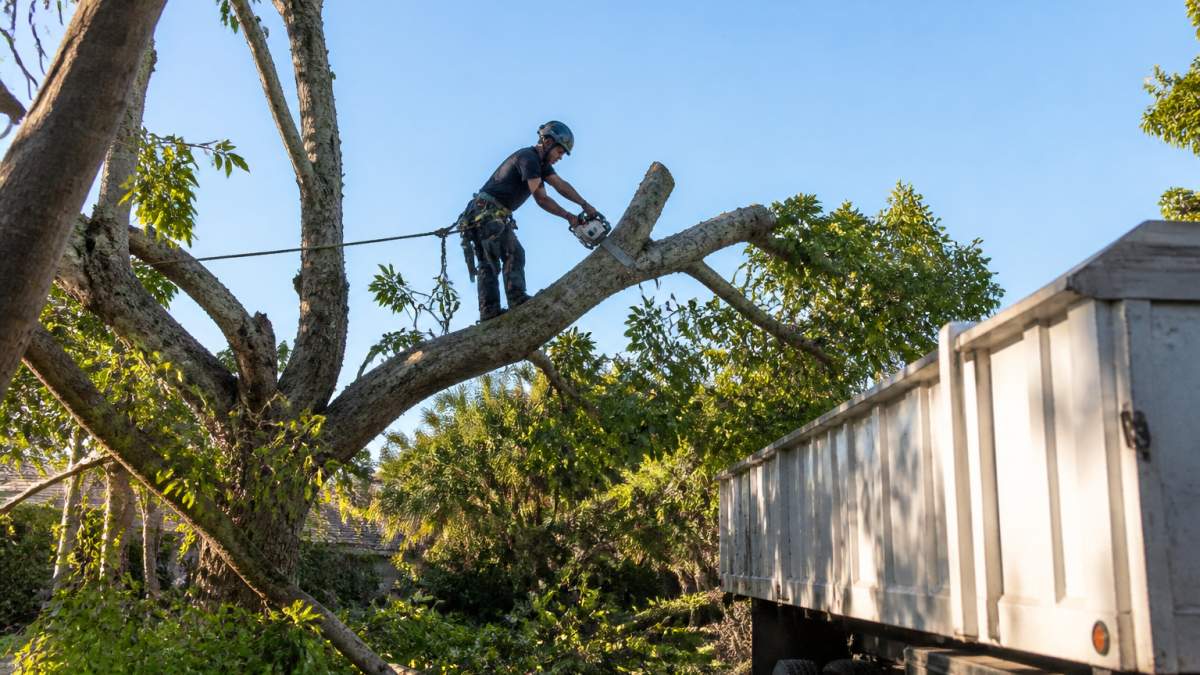
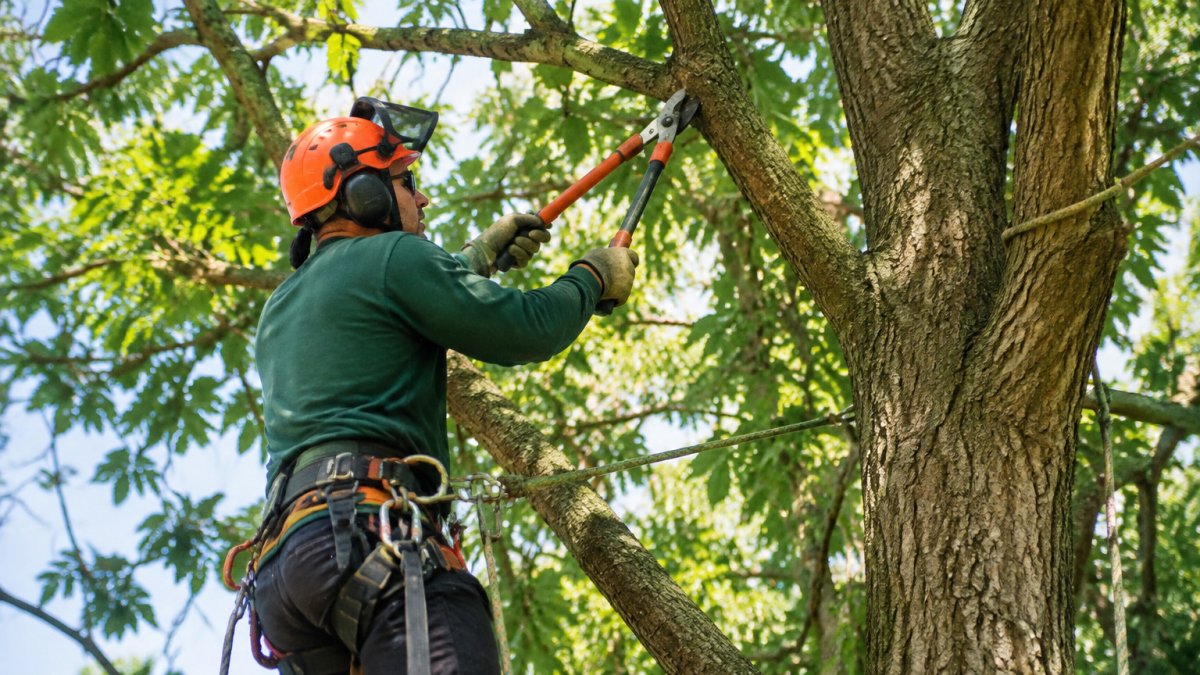
Professional tree pruning services go well beyond cutting branches. A trained crew assesses a tree's structure, removes deadwood and diseased limbs, and makes precise cuts that help the tree heal properly. For most homeowners in North Miami, that difference determines whether a tree thrives for decades or becomes a liability after the next storm.
P&P Landscaping and Tree Service, a family-owned business with over two decades of experience, approaches each job by first looking at the whole tree. Many homeowners assume pruning is just a cosmetic task, but it is closer to preventive maintenance. A well-pruned tree is simply easier to keep healthy.
Here is a practical summary of what a typical professional visit includes:
| Service | What It Involves | Main Benefit |
|---|---|---|
| Deadwood removal | Cutting dead, dying, or broken limbs | Reduces falling-branch risk |
| Canopy thinning | Selectively removing interior branches | Improves airflow and light |
| Crown raising | Removing lower branches | Clears walkways, driveways, and structures |
| Structural pruning | Correcting weak or competing leaders | Builds long-term stability |
Improving Tree Health and Longevity
Removing dead and diseased wood stops decay from spreading into healthy tissue. Thinning dense canopies lets sunlight reach inner branches, which supports vigor and reduces the conditions that favor fungal problems.
A common mistake is topping, which removes the upper canopy and often produces weak regrowth that is prone to breaking.
Lowering Storm and Hurricane Damage Risk in South Florida
South Florida's storm profile is different from most of the country. The Atlantic hurricane season runs from June 1 through November 30, and North Miami sits in a zone where saturated soil from heavy summer rain combines with sustained winds to stress trees that looked fine in dry weather. Pruning before that window is one of the few things a homeowner can control.
The goal is not to make a tree storm-proof. No amount of pruning can guarantee a tree survives a major hurricane. Pruning can reduce the specific failure points that turn a tree into a hazard:
- Co-dominant leaders and included bark. When two trunks or major limbs grow at a narrow angle, bark gets trapped between them and the union is structurally weak. A trained arborist can subordinate one leader on a younger tree so the remaining trunk develops a stronger attachment. On a mature tree with an established defect, the fix may be cabling or removal rather than pruning.
- Overextended limbs. Long horizontal branches with heavy end weight are the first to fail in wind. Selective reduction cuts shorten the lever arm and shift weight back toward the trunk.
- Dense interior growth. Watersprouts and crossing branches catch wind and rub wounds into healthy bark. Thinning opens the canopy so wind moves through rather than pushing against a solid mass.
- Dead and hanging wood. Dead limbs are unpredictable in calm weather and almost certain to come down in a storm. Removing them before the season is basic risk reduction.
Species matter in North Miami. Broadleaf trees common in local yards, such as live oak, mahogany, gumbo limbo, and royal poinciana, each have different wood strength and branching habits.
If a storm has already caused damage, our guide to emergency tree removal steps after a storm explains what to do first and when to call for help.
Reducing Hazards to People and Property
Falling branches cause more damage than most homeowners expect, particularly when they land on parked cars, roofs, or children playing in the yard. Dead limbs are the most common culprit because they can fall without warning, even on calm days.
A professional inspection identifies these hazards before they become emergencies. Crews look for cracks, cavities, split unions, and branches growing over structures. They also check clearance near power lines, where pruning must follow utility safety standards and should be handled by trained personnel.
If a storm has already damaged your trees, speed matters. Our guide to emergency tree removal steps after a storm explains what to do first and when to call for help.
How Often to Prune Trees and Signs a Tree Needs Pruning
Most trees benefit from professional pruning every few years rather than on a fixed annual schedule. The right interval depends on species, growth rate, age, and local conditions. Fast-growing trees common in South Florida often need more frequent attention than slow-growing species.
Watch for these signs that a tree needs pruning:
- Dead, cracked, or hanging branches
- Branches rubbing against each other or the house
- Dense canopy that blocks light or blows apart in wind
- Fungal growth, cankers, or unusual sap flow
- Limbs leaning toward structures or power lines
- Sparse foliage on one side of the tree
If you are unsure how frequently your trees need attention, an arborist can build a maintenance schedule around your specific trees. For a deeper look, see our guide on how often trees should be professionally pruned.
What Tree Pruning Cost Depends On
Pricing for tree pruning depends on several factors, including tree size, height, accessibility, the amount of work required, and whether debris removal is included. Pricing depends on the project, so request a quote from P&P Landscaping and Tree Service for current prices. A small ornamental tree in an open yard differs greatly from a mature oak that requires rigging near a home.
Because every property is different, the most reliable way to understand cost is an on-site assessment. P&P Landscaping and Tree Service can be contacted for an on-site estimate. To learn what to expect when requesting a quote, read what to expect from a professional tree removal quote.
Why Hire a Certified Arborist for Your Next Pruning Job
Topping, lion-tailing (stripping interior foliage and leaving tufts at the ends), and flush cuts all weaken trees, and the decline often is not obvious until the tree fails in a storm or dies back from the top. A certified arborist is trained to recognize those mistakes and avoid them.
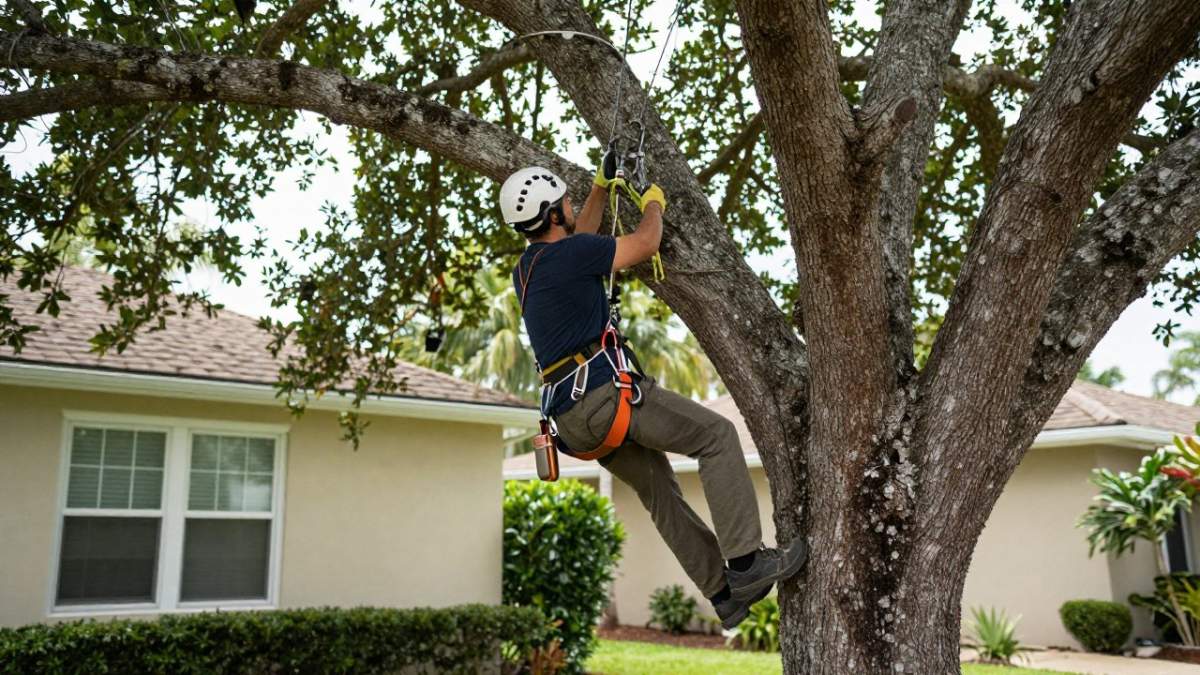
When hiring a tree service, look for the ISA Certified Arborist credential, issued by the International Society of Arboriculture (ISA Certified Arborist). Ask for the certification number and verify it through the ISA's public directory.
Beyond certification, screen for these items before work begins:
- Liability insurance and workers' compensation. Ask for a certificate of insurance and confirm the policy is current.
- Written scope of work. The estimate should state what will be pruned, how much, and whether debris will be hauled away.
- Clean cuts and branch-collar technique. Stubs and flush cuts are red flags.
- Refusal to top. Topping a shade tree as routine maintenance is not accepted practice, because it produces weak regrowth and invites decay.
Local rules are the other piece homeowners often miss. Check with local government about permit requirements for removal and heavy pruning of certain trees. Before scheduling major work, confirm with the city's code enforcement or planning department whether a permit is required for your tree, especially if it is a mature native species or sits in a right-of-way. A reputable arborist will know the local requirements or point you to the right office; a crew that says 'we don't need permits' for a large removal is a warning sign.
Watch out: the lowest bid is often low because debris removal, insurance, or proper rigging is excluded. Compare written scopes line by line, not just the bottom-line number.
When comparing providers, ask how they will handle a tree near power lines. A company that explains its reasoning, shows its credentials, and puts the scope in writing is the one worth hiring.
Ready to get started? P&P Landscaping and Tree Service provides professional landscaping and tree care services. Book On-site Estimate Now! to have the team assess your trees and recommend a plan for your property.
Frequently Asked Questions
What does a typical tree pruning job cost?
Tree pruning cost depends on tree size, height, the number of branches being removed, site access, and whether debris hauling is included. P&P Landscaping and Tree Service does not publish standard rates in this article, so pricing varies by project. Request an on-site estimate to get a figure based on your specific trees and property.
How often should trees be professionally pruned?
Most mature trees benefit from professional pruning every few years, while younger trees may need attention more often to establish good structure. The right schedule depends on species, growth rate, and local conditions such as storm exposure. A certified arborist can inspect your trees and recommend a timeline that fits their needs.
When is the best time to prune trees in North Miami?
Timing depends on the species and the goal of the cut. Many trees in South Florida are pruned outside peak hurricane season, which runs June through November, so that structural corrections and hazard removals are completed before storms arrive. Dead or damaged limbs can be removed at any time when they pose a risk.
How can you tell if a tree needs professional pruning?
Look for dead or broken branches, crossing limbs, cracks or cavities, leaning trunks, heavy limbs overhanging a roof, and canopies that are too dense to let light and air through. If you see any of these, or if branches are near power lines, a certified arborist should evaluate the tree before you attempt any cutting yourself.