 how-to
Tree Trimming for Storm Safety: A How-To Guide
Table of Contents
- What You'll Need Before You Start
- Step-by-Step Tree Trimming for Storm Safety
- Hurricane Tree Preparation Tips for South Florida
- North Miami Tree Trimming Permit Requirements
- Why Professional Trimming Matters
- Frequently Asked Questions
Last Updated: September 20, 2026
What You'll Need Before You Start
Tree trimming for storm safety starts with the right gear and a clear plan. At P&P Landscaping and Tree Service, we've cleared storm-damaged trees across North Miami for over two decades, and the prep work matters as much as the cut.
Gather these before you touch a branch:
- Sharp hand pruners and loppers
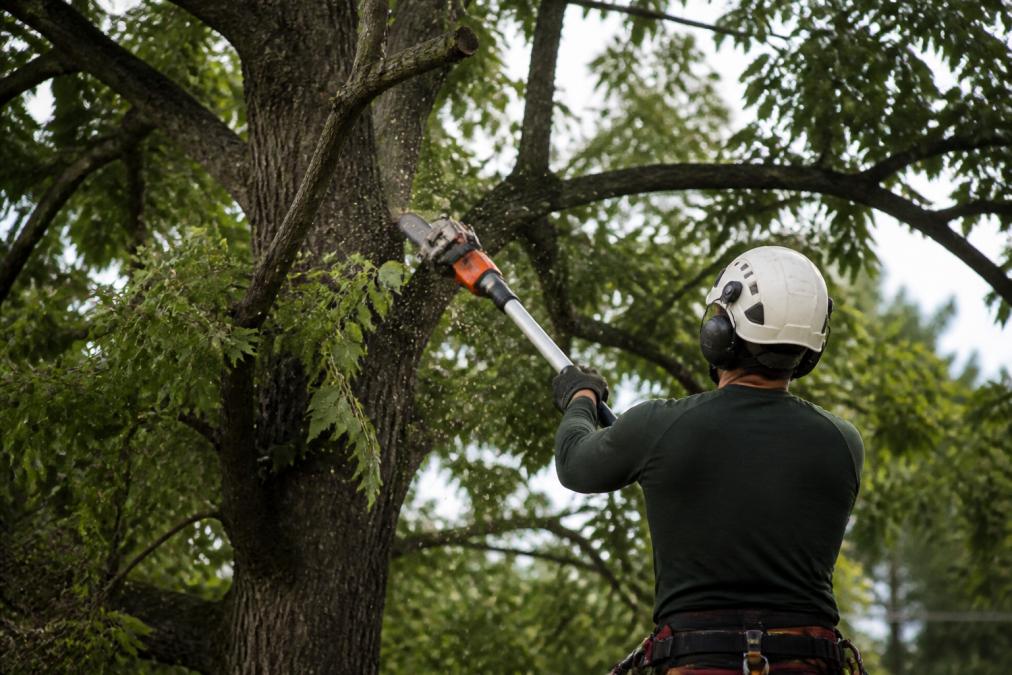
- A pole saw for high limbs
- Safety glasses and work gloves
- A hard hat
- Closed-toe boots
- A ladder rated for your weight
Check the forecast first. Never trim during a storm or high wind.
Step-by-Step Tree Trimming for Storm Safety
The goal is simple: remove weak limbs before wind does it for you. Follow these steps.
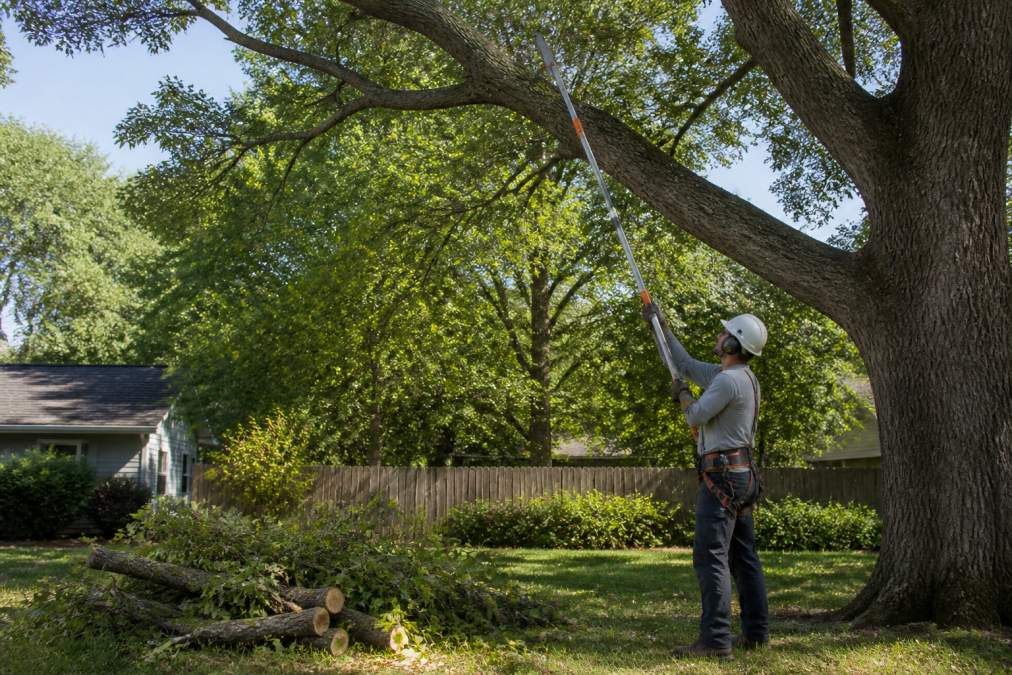
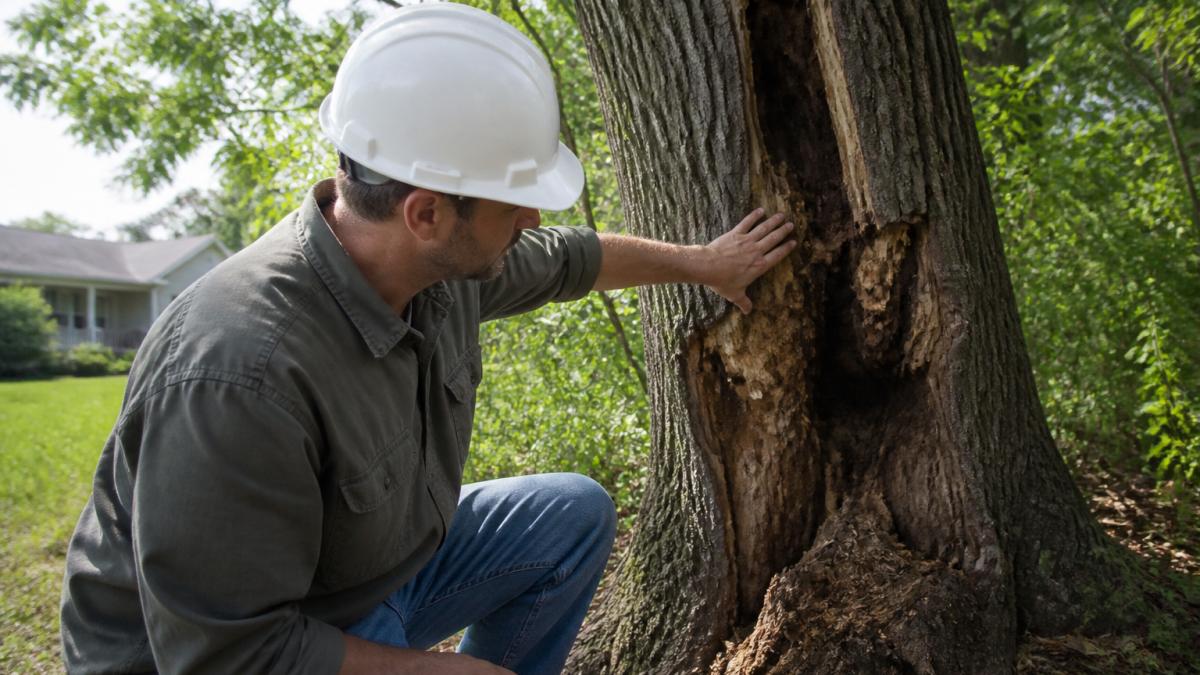
- Inspect the tree for dead, cracked, or rubbing branches.
- Cut dead wood first, back to the branch collar.
- Thin the canopy so wind passes through instead of catching it.
- Remove limbs that hang over your roof or driveway.
- Step back and check your work from a distance.
A common mistake is cutting too much at once. Take off no more than a quarter of the canopy in one season.
For large or leaning trees, hiring local tree removal experts is the safer call.
Hurricane Tree Preparation Tips for South Florida
Hurricane season runs June through November, so prep early. These hurricane tree preparation tips cut your risk before the first storm forms.
- Clear dead limbs well before landfall
- Keep trees away from power lines and structures
- Water deeply during dry spells to build strong roots
- Remove weak or leaning trees entirely
If you're searching for "tree trimming near me" in North Miami, a certified crew can spot hazards you might miss.
North Miami Tree Trimming Permit Requirements
Some trees are protected, and cutting them without approval can lead to fines. Check with the city before you trim.
- Confirm whether your tree is protected
- Apply for a permit if required
- Keep the approval on hand during work
Rules vary by city and county, so verify with your local office first.
Why Professional Trimming Matters
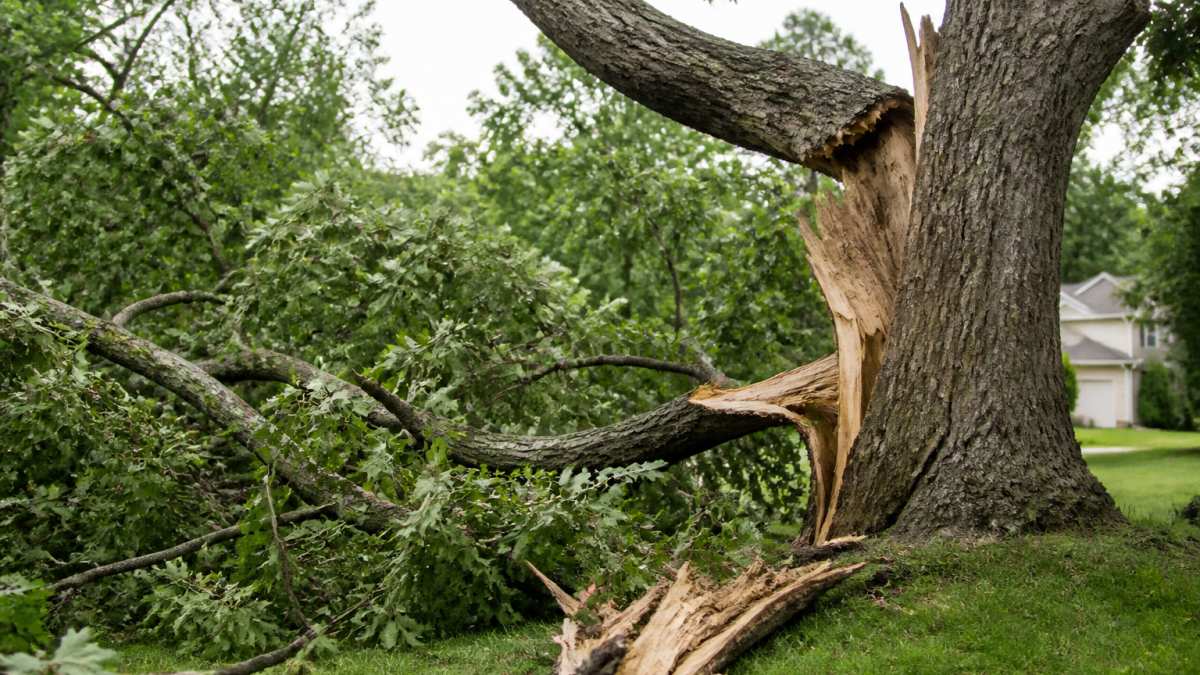
Storm damage is often preventable. Trained crews know which cuts keep a tree standing and which ones weaken it.
- Proper cuts reduce breakage
- Hazard trees get caught early
- Debris gets hauled away
- Insurance and safety risks drop
P&P Landscaping and Tree Service has handled tree care in North Miami for over 20 years. We're family-owned and focused on healthy trees and clean results.
Frequently Asked Questions
When is the best time to trim trees for hurricane season in North Miami?
The best window is late spring, before hurricane season peaks in August and September. Trimming too early can stimulate new growth that stays vulnerable, while waiting too late leaves you racing the storm. Aim to complete major trimming by early June. Light maintenance pruning can continue through summer, but avoid heavy cuts within four weeks of a named storm since fresh wounds need time to seal.
Does the City of North Miami require permits for tree trimming?
North Miami regulates tree removal and some major pruning through its tree protection ordinance. Routine maintenance trimming of small branches typically does not need a permit, but removing or heavily cutting certain protected species does. Requirements vary by tree size, species, and location on your property. Contact the city's planning department or ask your tree service to confirm what applies before work begins.
What should I look for when hiring local tree removal experts?
Look for proof of insurance, ISA certification, and a physical local address. Ask for references from jobs in your neighborhood and photos of completed work. Get a written estimate that lists what will be cut, how debris will be handled, and whether stump grinding is included. A reliable company will walk your property with you and explain their reasoning, not just hand you a number.
A storm can turn a healthy-looking tree into a hazard in minutes. P&P Landscaping and Tree Service offers expert tree care, hazardous tree removal, and full cleanup from consultation to completion. Get started with P&P Landscaping and Tree Service and protect your property before the next storm hits.