 how-to
Best Time to Lay Sod: A Florida Guide
Table of Contents
- Best Time to Lay Sod in South Florida
- Can You Lay Sod Year-Round in Florida?
- Soil Temperature and Grass Type Considerations
- Preparing Your Property Before Sod Installation
- How Long Does Sod Take to Root in Florida?
- New Sod Watering Schedule in Florida
- Common Mistakes to Avoid When Laying Sod
- Frequently Asked Questions
Last Updated: October 17, 2026
Best Time to Lay Sod in South Florida
Timing is everything when it comes to laying sod successfully. The best time to lay sod in South Florida depends on your grass type, soil temperature, and upcoming weather patterns. At P&P Landscaping and Tree Service, we help homeowners and businesses in Miami-Dade and Broward County establish healthy, thriving lawns by choosing the right installation window.
Spring and fall offer the most reliable conditions for sod installation. During these seasons, moderate temperatures and occasional rainfall create ideal conditions for new grass to root quickly. But here's what most people get wrong: Florida's climate is different from northern states, and that changes everything about when you should install.
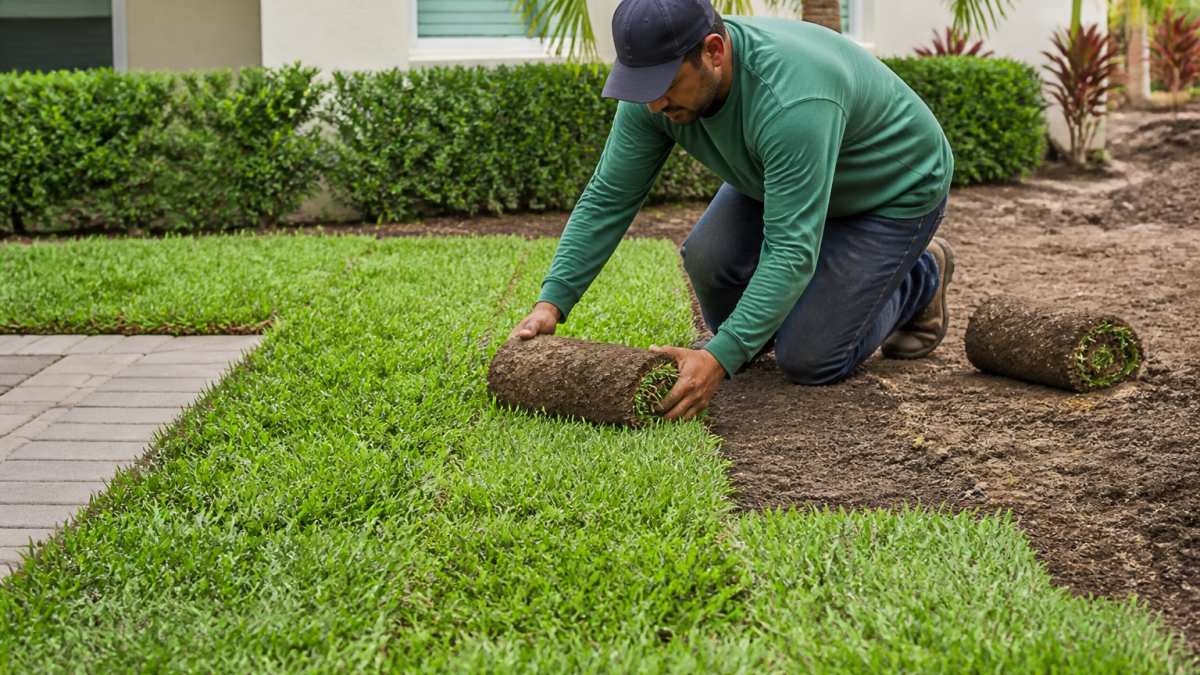
Spring Installation (March-May)
Spring is an excellent window for laying sod in South Florida. Temperatures warm gradually, soil begins to heat up, and natural rainfall becomes more frequent. This combination creates perfect conditions for root development.
During spring, your new sod won't face extreme heat stress. The grass can focus energy on establishing roots rather than surviving harsh conditions. Most installations complete their initial rooting phase within 2-3 weeks during this season.
One thing to watch: late spring heat can arrive suddenly. If you're installing in May, choose early May rather than late May. This gives your sod time to establish before summer intensity kicks in.
Fall Installation (September-November)
Fall is often considered the best season for sod installation in South Florida. Temperatures drop from summer highs, but the soil remains warm enough for active growth. This extended growing window gives sod maximum time to root before cooler winter months.
September and October offer ideal conditions. Soil temperatures sit in the sweet spot for warm-season grasses. Rainfall tends to be more reliable in early fall, reducing your watering burden during the critical rooting phase.
Late fall (November) works, but with caution. Soil temperatures begin dropping, which slows root development. If you install in November, expect a slower establishment period.
Can You Lay Sod Year-Round in Florida?
Yes, you can lay sod year-round in Florida, but not all times are equally effective. Winter installation is possible because soil temperatures rarely drop below what grass needs to survive. However, growth slows dramatically in winter months.
Summer installation is technically possible but challenging. Heat stress on new sod is significant. You'll need to water more frequently and monitor closely for signs of stress. Most professionals avoid summer installations when spring and fall options exist.
The key principle: grass grows best when soil temperature and air temperature align with its natural growth cycle. Installing outside peak seasons doesn't prevent success, but it requires more careful management and patience.
Soil Temperature and Grass Type Considerations
Soil temperature is the primary factor determining sod success. Different grass types have different temperature requirements for active growth and root establishment.
Cool-Season Grasses
Cool-season grasses thrive when soil temperatures sit between 50 and 65 degrees Fahrenheit. These grasses grow most actively in spring and fall. They slow down significantly during hot summers and cold winters.
In South Florida, cool-season grasses are rarely the best choice because our summers are too hot and our winters don't get cold enough for their peak growth period. However, some commercial properties and specialized applications use cool-season varieties.
If you do choose cool-season grass, spring and fall are your only viable installation windows. Summer heat will stress the grass severely, and winter cold may inhibit rooting.
Warm-Season Grasses
Warm-season grasses are the standard choice throughout South Florida. These varieties grow most vigorously when soil temperatures exceed 65 degrees Fahrenheit. They thrive during our long, hot growing season.
Bahiagrass, St. Augustine grass, and Zoysia are common warm-season varieties for residential lawns in Miami-Dade and Broward County. These grasses slow growth in winter but remain green and functional year-round in our climate.
For warm-season grasses, late spring through early fall represents the active growing period. Installing during this window means your sod establishes roots while the grass is naturally motivated to grow. Installations during cooler months still work but progress more slowly.
Preparing Your Property Before Sod Installation
Proper preparation determines whether your new sod thrives or struggles. Many problems that appear after installation actually started with inadequate prep work.
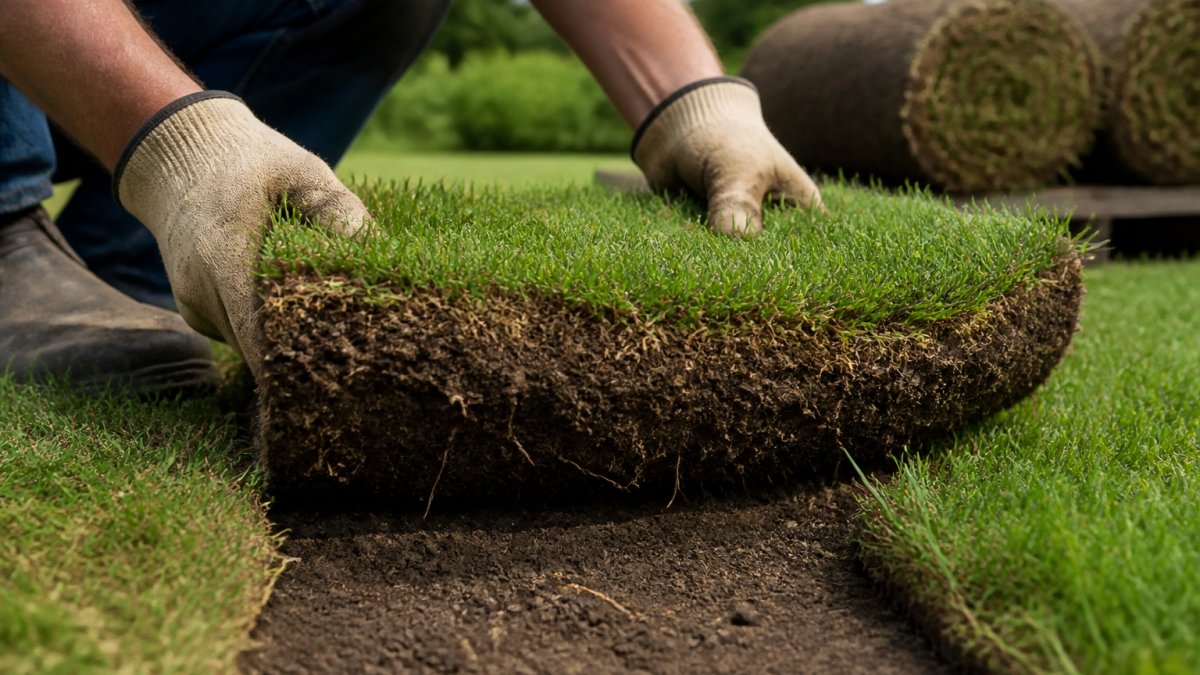
Start by testing your soil. Poor soil structure, compaction, or drainage issues won't fix themselves once sod is laid. Address these problems before installation. Remove debris, rocks, and old grass. Level the area to prevent water pooling.
Add soil amendments if needed. Compost or topsoil improves structure and drainage. Work amendments into the top 2-3 inches of existing soil. This creates a welcoming environment for new roots.
Water the prepared area thoroughly the day before installation. Moist soil helps new sod make contact and begin rooting immediately. But avoid creating mud or standing water.
Here's a critical step many homeowners skip: compact the soil lightly. A firm, stable base prevents settling and gaps that trap air around roots. Use a roller or walk the area firmly, but don't overcompact.
How Long Does Sod Take to Root in Florida?
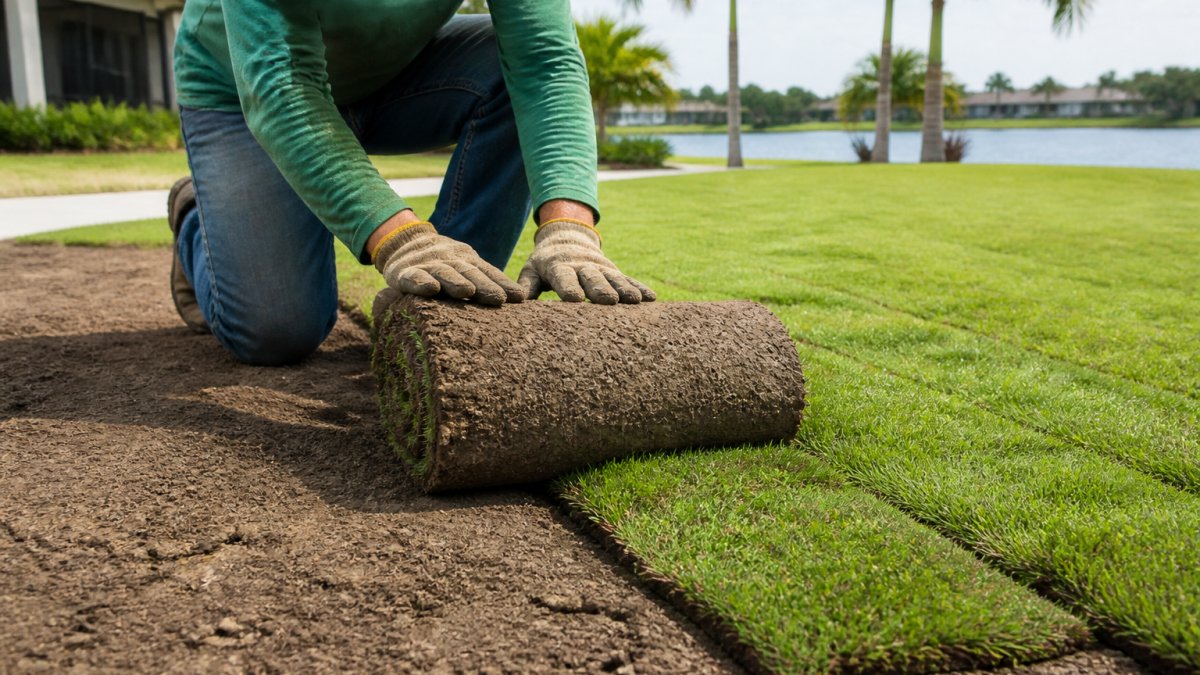
New sod typically roots within 2-4 weeks in Florida, depending on season and conditions. Spring and fall installations usually root faster because temperatures and moisture align with the grass's growth cycle.
During the first week, sod begins knitting into the soil below. Roots start developing within days of installation. By week two, roots penetrate deeper into the soil. By week three, most of the root system has established.
However, complete establishment takes longer. The sod won't handle heavy foot traffic or stress until roots are deep and extensive. Most professionals recommend waiting 4-6 weeks before treating the lawn as fully established.
Summer installations root slower due to heat stress and higher water needs. Winter installations also progress more slowly because the grass isn't in peak growth mode. Spring and fall installations offer the fastest, most reliable rooting timeline.
New Sod Watering Schedule in Florida
Watering correctly is the single most important factor determining whether new sod survives and thrives. Underwatering causes sod to shrink and die. Overwatering promotes disease and prevents roots from establishing properly.
First Two Weeks After Installation
Water daily during the first two weeks. Keep the top 2-3 inches of soil consistently moist but not waterlogged. Water early morning, before 8 a.m., to minimize disease risk and reduce evaporation loss.
Apply enough water to penetrate the sod and moisten the soil below. This typically requires 1-1.5 inches of water per day, but adjust based on weather. Hot, dry days require more water. Cool, cloudy days may require less.
Check moisture by lifting a corner of sod. The soil below should be moist. If it's dry, water more. If it's soggy, water less frequently or reduce duration.
Weeks Three Through Eight
Gradually reduce watering frequency as roots establish. By week three, shift to watering 4-5 times per week. By week six, water 2-3 times weekly. By week eight, transition to normal lawn watering schedules.
Adjust watering based on rainfall. If rain provides adequate moisture, skip your scheduled watering. Too much water during establishment invites fungal diseases and prevents deep rooting.
Water deeply but less frequently. This encourages roots to grow deeper into the soil rather than staying shallow. Deep roots create a more drought-resistant lawn long-term.
Ongoing Maintenance
Once your sod is established, maintain a regular watering schedule based on your grass type and season. Most warm-season grasses in South Florida need 1-1.5 inches of water per week during growing season.
Adjust for rainfall. If you receive 1 inch of rain, reduce supplemental watering that week. During cooler months, reduce watering frequency significantly.
Monitor your lawn for signs of stress. Wilting, color changes, or thin patches indicate adjustment is needed. Healthy sod should look lush and respond quickly to proper care.
Common Mistakes to Avoid When Laying Sod
Most sod failures trace back to preventable mistakes. Understanding these pitfalls helps you avoid expensive problems.
Installing at the wrong time. Choosing summer or winter when spring or fall are available creates unnecessary stress. Stick to spring and fall when possible.
Skipping soil preparation. Laying sod on unprepared soil is like building a house on sand. Compacted, poor-quality soil prevents rooting. Invest time in proper prep.
Underwatering during establishment. This is the most common mistake. New sod has no established root system to access deep soil moisture. Daily watering is non-negotiable for the first two weeks.
Overwatering after establishment. Once rooted, excessive watering promotes disease and shallow rooting. Transition to normal schedules by week three.
Walking on new sod too early. Foot traffic before roots establish damages the delicate root development process. Restrict access for at least 2-3 weeks.
Installing poor-quality sod. Cheap sod often contains weeds, diseases, or weak grass. Quality matters. P&P Landscaping and Tree Service provides sod installation services.
Ignoring drainage issues. If your property has poor drainage, sod will struggle regardless of timing or care. Address drainage before installation.
Getting the timing right makes everything else easier. The best time to lay sod in South Florida is spring or fall, when soil and air temperatures support active growth. At P&P Landscaping and Tree Service, we handle site assessment, soil preparation, professional installation, and guided establishment care to ensure your new lawn thrives. Our tailored approach means we customize timing and techniques to your specific property conditions. Book an on-site estimate now to discuss the ideal installation window for your landscape.
| Installation Timeline | Season | Rooting Speed | Water Needs | Best For |
|---|---|---|---|---|
| March-May | Spring | Fast (2-3 weeks) | Daily, moderate | New lawns, renovations |
| June-August | Summer | Slow (4+ weeks) | Daily, heavy | Emergency situations only |
| September-November | Fall | Fast (2-3 weeks) | Daily, moderate | Optimal choice |
| December-February | Winter | Very slow (6+ weeks) | Less frequent | Avoid if possible |
Frequently Asked Questions
What is the best time of year to lay sod in Florida?
Spring (March-May) and fall (September-November) are the best times to lay sod in Florida. During these seasons, soil temperatures are moderate, rainfall is more consistent, and the grass can establish roots before extreme summer heat or occasional cold snaps. While sod can technically be installed year-round in Florida, these windows give new sod the best chance to develop a strong root system.
How long does new sod take to root in Florida?
New sod typically takes 2-3 weeks to develop shallow roots and 4-6 weeks to establish a strong root system in Florida. However, the timeline depends on soil conditions, temperature, and watering consistency. During cooler spring and fall months, rooting may take slightly longer. Proper watering and soil preparation accelerate the process and reduce the risk of sod failure.
Can you lay sod year-round in Florida?
Yes, sod can technically be laid year-round in Florida because the state's warm winters prevent complete dormancy. However, spring and fall remain ideal because new sod roots more reliably in moderate temperatures. Summer heat can stress newly installed sod, while winter installation in northern Florida may slow rooting. For the highest success rate, plan installation during spring or fall.
How often should you water new sod in Florida?
Water new sod daily for the first two weeks after installation, keeping the soil consistently moist (not waterlogged). From weeks three through eight, reduce watering to 3-4 times per week as roots deepen. Once established (after 8 weeks), water deeply but less frequently to encourage deep root growth. During Florida's rainy season, adjust frequency based on rainfall to avoid overwatering.