 how-to
Why New Sod Dies After Installation: 7 Fixes That Work
Table of Contents
- The 5 Most Common Reasons Sod Dies in the First Two Weeks
- New Sod Watering Schedule Florida Homeowners Should Follow
- Signs of Sod Root Rot and How to Stop It
- How to Fix Patchy Lawn Areas After Sod Installation
- Step-by-Step Troubleshooting: Diagnose Your Dying Sod
- Prevention: What to Do Before and During Installation
- When to Call a Professional Landscaper
- Frequently Asked Questions
Last Updated: September 29, 2026
The 5 Most Common Reasons Sod Dies in the First Two Weeks
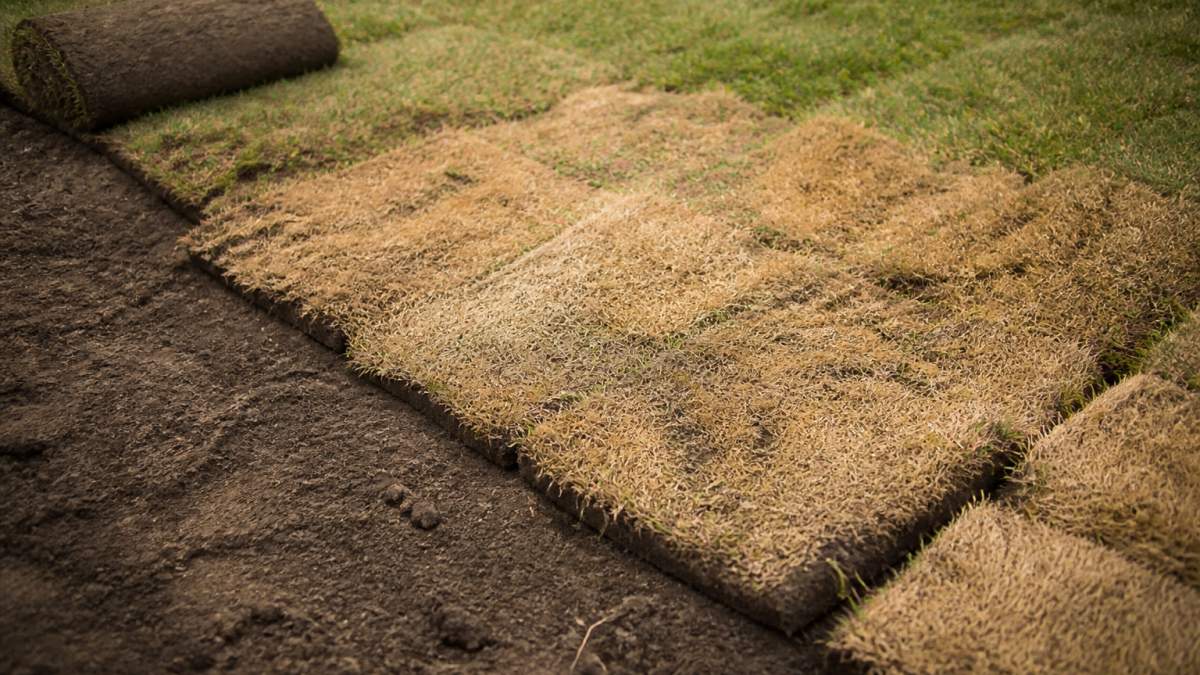
New sod usually dies from one of five fixable problems: poor soil contact, not enough water, too much water, heat stress, or bad soil underneath. None of these are mysteries, and all of them show up fast. If you are wondering why new sod dies after installation, the answer is almost always in the first 14 days.
At P&P Landscaping and Tree Service, we have installed sod across North Miami for over two decades. The pattern is always the same: the grass fails for a reason you can see if you know where to look.
Here is what most guides get wrong. They blame the sod itself. In practice, the sod was fine. The ground under it, or the watering, was not.
Poor Soil Contact and Air Pockets Under the Sod
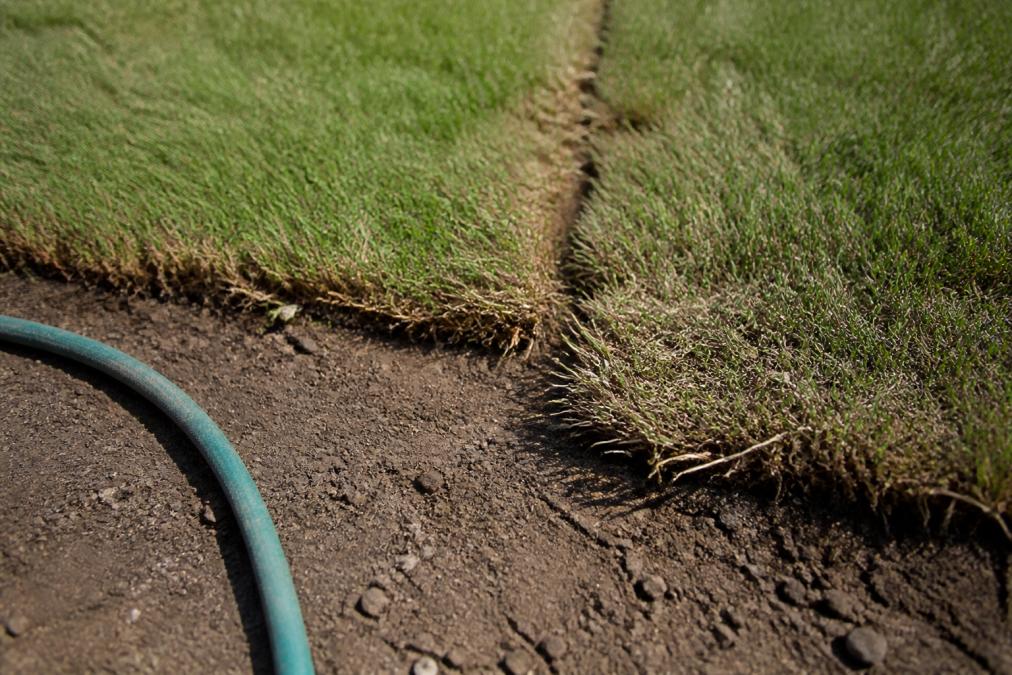
Air pockets are the quiet killer. Sod roots need to touch soil to pull water. If the sod sits on a lumpy or loose base, roots dry out in the gaps.
A common mistake is skipping a good watering before laying the rolls. Dry ground pulls moisture out of fresh sod instead of feeding it.
Fix it by:
- Watering the bare soil before you lay anything
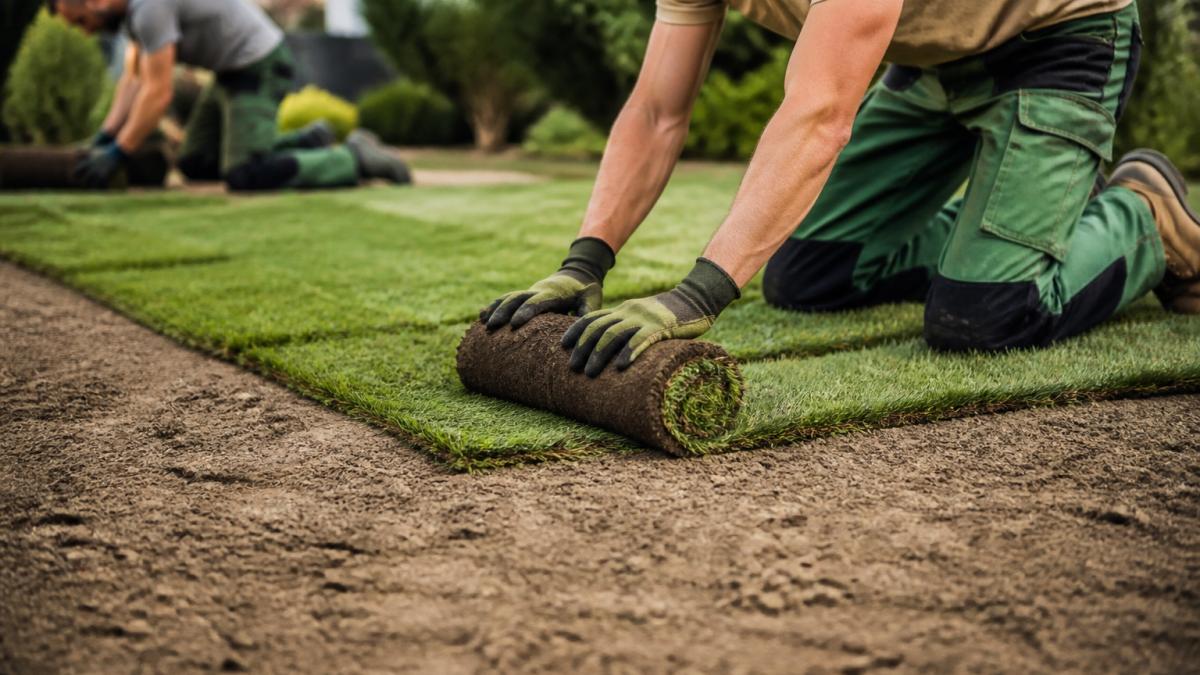
- Rolling the sod after installation to press out air
- Filling seams with fine soil, not sand
Heat Stress and Transplant Shock
Sod is a living plant that just lost most of its roots. In South Florida sun, that stress hits within hours.
The fix is shade and water in the first days. Skip fertilizer. New roots cannot handle it yet.
New Sod Watering Schedule Florida Homeowners Should Follow
The right new sod watering schedule Florida homeowners need is simple: keep the soil wet, not flooded, for the first two weeks. Most sod failures come from watering too little or too often.
Week-by-Week Watering Guide for South Florida
| Week | Watering Frequency | Amount | Goal |
|---|---|---|---|
| Week 1 | 2-3 times daily | Light soak | Keep soil wet |
| Week 2 | Once daily | Deeper soak | Roots reach down |
| Week 3 | Every 2-3 days | Deep soak | Encourage deep roots |
| Week 4 | 2 times weekly | Deep soak | Normal routine |
Morning watering beats evening. Evening water sits overnight and invites rot.
Signs of Sod Root Rot and How to Stop It
Signs of sod root rot include spongy, black roots, a sour smell, and yellow patches that spread fast. Stop it by cutting back water and improving drainage.
Root rot is what happens when good watering turns into drowning. The roots cannot breathe, so they rot.
Watch for:
- Sod that lifts easily, like wet carpet
- Dark, mushy roots instead of white ones
- A musty smell near the soil
Once rot starts, the fix is dry air and less water. If the damage is bad, replace the affected patches.
How to Fix Patchy Lawn Areas After Sod Installation
Learning how to fix patchy lawn is mostly about finding the cause first. Patches come from air pockets, dry spots, or shade, not from bad luck.
Test each patch. Pull back the sod and check the soil under it. Dry soil means water is not reaching the roots. Wet, smelly soil means rot.
Then:
- Loosen the soil and re-lay the patch
- Water it by hand for a week
- Keep foot traffic off until it knits in
Step-by-Step Troubleshooting: Diagnose Your Dying Sod
Diagnosing dying sod takes about 15 minutes. Check water first, then soil contact, then roots. That order solves most cases.
Step 1: Check the soil moisture [Time: 2 minutes] Push a screwdriver into the soil. Dry means water more. Wet and smelly means water less.
Step 2: Lift a corner of sod [Time: 3 minutes] If it peels up with no roots attached, you have an air pocket or rot.
Step 3: Look at the roots [Time: 3 minutes] White roots are healthy. Black or brown roots point to rot.
Step 4: Check the sun and shade [Time: 2 minutes] Full sun needs more water. Deep shade needs less.
Expected Result: You will know within minutes whether the problem is water, contact, or rot.
Prevention: What to Do Before and During Installation
Prevention starts before the first roll goes down. Test the soil, fix the grade, and water the base. Sod laid on good ground rarely fails.
Do this before installation:
- Test soil drainage with a simple hole-and-water check
- Fix low spots so water does not pool
- Water the bare soil until it is damp
- Lay sod within 24 hours of delivery
- Roll the sod to remove air pockets
A little prep work saves a full re-install later. That is the real difference between sod that takes and sod that dies.
When to Call a Professional Landscaper
Call a professional when the whole lawn is failing, not just a patch. If you have replaced sod twice and it keeps dying, the problem is the soil, and that takes equipment to fix.
P&P Landscaping and Tree Service handles soil prep, grading, and sod installation for homes across North Miami and Broward County. Our team has seen every failure pattern, and we fix the cause, not just the grass.
If you are searching for sod installation near me, look for a crew that tests your soil first. That step alone prevents most failures.
Frequently Asked Questions
How much water does new sod need in the Florida heat?
New sod needs about 1 inch of water per day for the first two weeks, split into two or three shorter sessions so the water soaks in instead of running off. In South Florida's summer heat, you may need to water again in the afternoon if the sod feels dry. After roots start knitting into the soil, usually around day 14, you can cut back to every other day and then to a normal weekly schedule.
Can you overwater new sod in North Miami?
Yes. Overwatering is one of the most common reasons sod dies after installation. When the soil stays saturated, roots can't get oxygen and start to rot. You'll see spongy, squishy ground, a sour smell, and yellowing blades. If your yard holds water after rain, cut back your irrigation and check that the soil drains. A simple soil moisture meter takes the guesswork out of it.
How do I know if my new sod is dead or just dormant?
Tug gently on a corner of the sod. If it lifts easily with no resistance, the roots never established and that section is likely dead. If it holds firm, the grass is rooted. You can also scratch the surface of a brown patch with your fingernail. Green tissue underneath means the grass is dormant or stressed, not dead. Brown, dry tissue all the way down means it's gone.
Should I fertilize new sod immediately after installation?
No. Wait at least 30 days before applying fertilizer. New sod is fragile and its roots are still connecting to the soil. Fertilizing too early can burn the blades and push top growth the roots can't support. Once the sod passes the tug test and shows steady growth, apply a slow-release starter fertilizer at the rate on the label. Water it in well afterward.
Sod failure is frustrating, but it is almost never random. It comes from water, soil contact, or heat, and every one of those is fixable. P&P Landscaping and Tree Service brings over two decades of experience, tailored soil prep, and full-service installation to every project, from design to cleanup. Get started with P&P Landscaping and Tree Service and grow a lawn that actually takes root.