 how-to
How Often Should Trees Be Professionally Pruned
Table of Contents
- Why Professional Tree Pruning Matters
- How Often to Trim Trees in Florida
- Best Time to Prune Trees in South Florida
- Signs a Tree Needs Pruning
- Palm Tree Trimming Frequency
- What Happens Without Regular Professional Pruning
- When to Call a Certified Arborist
- Frequently Asked Questions
Last Updated: October 17, 2026
Why Professional Tree Pruning Matters
Trees are living investments in your property. They provide shade, improve air quality, and add real estate value. But trees don't maintain themselves. Without proper care, they become hazardous, diseased, or structurally weak.
This is where professional tree pruning comes in. At P&P Landscaping and Tree Service, we've spent over two decades helping homeowners and businesses in South Florida understand that how often should trees be professionally pruned isn't a one-size-fits-all answer. It depends on your tree's age, species, health, and local climate.
Regular pruning removes dead branches before they fall. It improves air circulation through the canopy. It shapes the tree to grow stronger, not wider. Most importantly, it prevents the expensive damage that happens when a neglected tree fails during hurricane season.
The real cost of skipping professional pruning? Dead limbs that drop on your roof. Weak branch angles that snap in storms. Disease that spreads unchecked. Trees that grow into power lines or damage nearby structures.
How Often to Trim Trees in Florida
The answer to how often should trees be professionally pruned in Florida depends on several factors. Most trees benefit from pruning every 3 to 5 years once they're mature. Young trees may need annual pruning. Older or damaged trees might need attention every 1 to 2 years.
Florida's climate accelerates growth. Heat and humidity mean branches grow faster here than in cooler states. Storm damage is also more common, so trees need regular inspection and cleanup after weather events.
Young Trees vs. Mature Trees
Young trees need different pruning schedules than established ones. A tree in its first 3 to 5 years should be pruned annually to establish proper structure and remove weak growth (Pruning, Why, When and How1).
This early pruning investment pays off. Trees pruned young develop strong branch angles. They're less likely to split or fail later. The goal is to create a framework that will support the tree for decades.
Mature trees, those over 10 years old, typically need pruning every 3 to 5 years. At this stage, pruning focuses on removing dead wood, thinning dense areas, and maintaining shape. You're not reshaping the tree anymore. You're maintaining what's already there.
Tree Health and Species Considerations
Healthy trees can go longer between prunings than stressed ones. A vigorous oak might need attention every 4 years. A struggling tree stressed by disease or poor soil might need it every 2 years.
Species matters too. Fast-growing trees like willows and pines need more frequent pruning. Slower-growing trees like maples can go longer. In South Florida, species like live oaks, mahogany, and gumbo limbo have different growth rates and pruning needs.
Trees showing signs of disease, pest damage, or poor structure need more frequent professional assessment. Don't wait for the next scheduled pruning if your tree looks sick.
Best Time to Prune Trees in South Florida
Timing matters. Pruning at the wrong time can stress a tree or invite disease. In South Florida, late winter through early spring is ideal for most trees. This is roughly February through April.
Pruning in late winter allows trees to heal before the hot, humid summer arrives. New growth seals the pruning wounds quickly. The tree has energy reserves to recover.
Avoid pruning in fall. Fall pruning stimulates new tender growth that won't harden off before winter. In South Florida, this isn't as critical as in northern states, but it's still not ideal.
Never prune in summer heat. The stress of pruning combined with intense heat can damage the tree. Wounds also attract pests and disease more readily in warm, wet conditions.
Seasonal Timing and Hurricane Preparation
Hurricane season in South Florida runs June through November. This is when weak branches become dangerous. If your tree hasn't been pruned in several years, consider professional pruning in late spring, May or early June, before storm season peaks.
Removing dead wood and weak branches before hurricane season reduces the risk of storm damage. It also means less debris cleanup after a storm passes.
Don't wait until after a hurricane to address obvious damage. Call a certified arborist immediately if a storm breaks major branches or damages the trunk. Fresh wounds need professional assessment to prevent disease entry.
Signs a Tree Needs Pruning
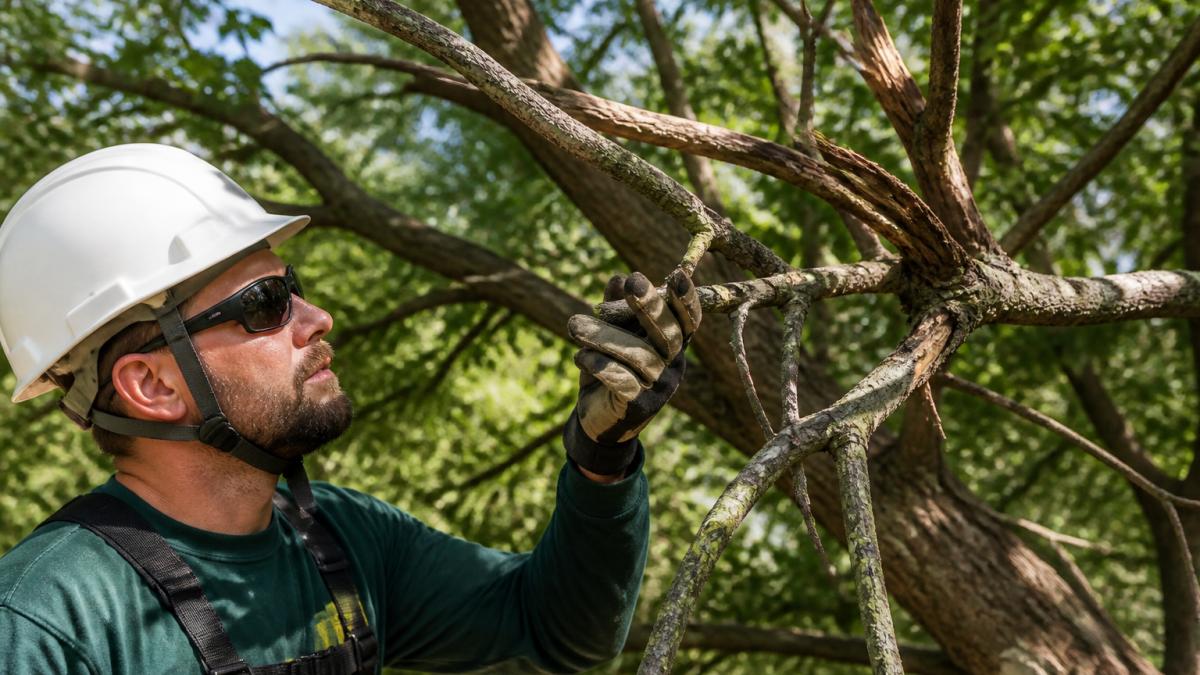
Your tree will tell you when it needs attention. You don't have to guess or wait for the next scheduled pruning. Dead branches, crossing limbs, and structural problems are clear signals.
Visible Damage and Dead Branches
Dead branches are the most obvious sign. They're gray or brown, brittle, and have no leaves or buds. Dead wood doesn't recover. It needs to come off before it falls.
Look for branches that rub against each other. These create wounds that invite disease. Crossing branches also reduce air circulation through the canopy, creating humid conditions that encourage fungal problems.
Branches growing inward toward the trunk are another red flag. These won't develop properly. They create crowding and weak angles.
Growth Patterns and Structural Issues
Watch for branches growing at sharp angles to the main trunk. These "V-shaped" crotches are weak. They're prone to splitting under weight or wind stress. A certified arborist can remove one branch of the pair to strengthen the remaining one.
Trees with dense canopies often need thinning. You should be able to see through the crown. If the canopy is so thick that light barely penetrates, air circulation is poor and disease risk increases.
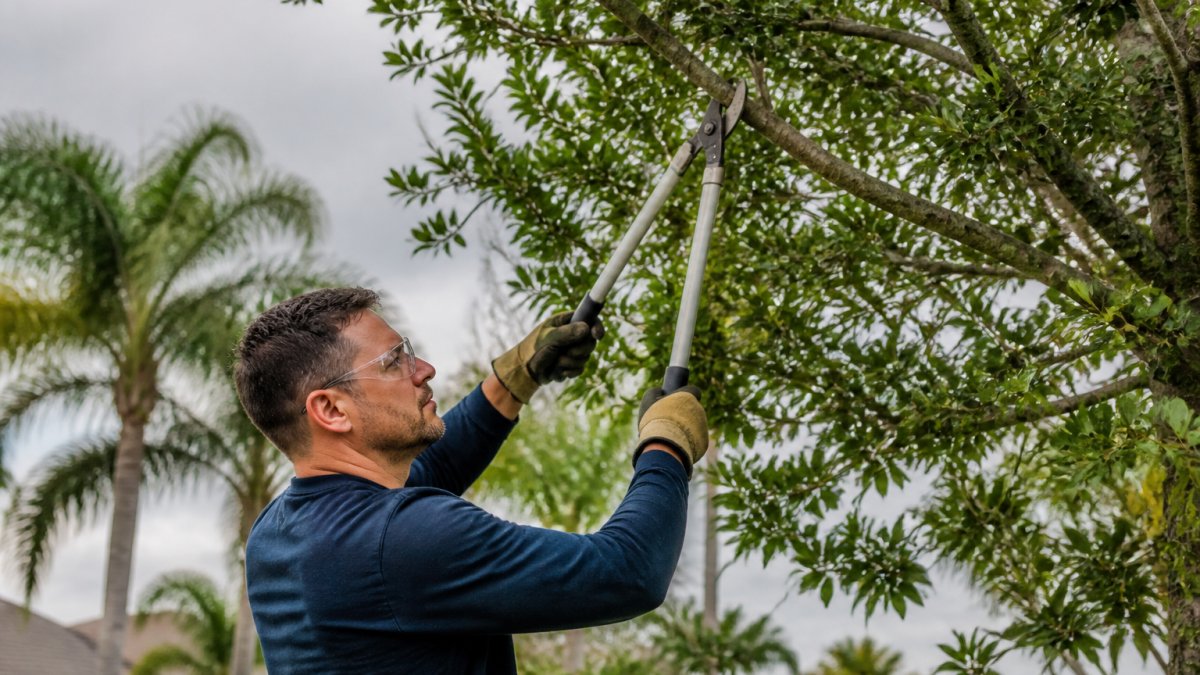
Branches growing too close to structures, your house, garage, or power lines, need professional removal. Don't try this yourself. One mistake can damage your property or cause injury.
Palm Tree Trimming Frequency
Palms are different from traditional trees. Many South Florida homeowners have palms as part of their landscape. These need different pruning schedules and techniques.
Most palms benefit from trimming every 12 to 18 months. The goal is to remove dead fronds before they become hazards. Dead fronds can weigh 10 to 20 pounds. When they fall, they can injure people or damage property.
Never "hurricane-prune" palms by removing all the green fronds. This weakens the tree and invites disease. Remove only dead, brown, or damaged fronds. Leave the green crown intact.
Seed pods and flowering structures can also be removed if they're a concern. Some palms drop heavy seed pods. Removing these before they fall is safer than dealing with them afterward.
| Palm Maintenance Task | Frequency | Why It Matters |
|---|---|---|
| Remove dead fronds | Every 12-18 months | Prevents falling hazards |
| Trim brown leaf tips | As needed | Improves appearance |
| Remove seed pods | As needed | Reduces falling debris |
| Professional inspection | Every 2-3 years | Catches disease early |
What Happens Without Regular Professional Pruning
Neglected trees deteriorate. The damage starts slowly, then accelerates. By the time you notice a real problem, the tree may be beyond saving.
Dead branches accumulate. Without pruning, a tree's canopy becomes dense and tangled. Air can't circulate. Moisture gets trapped. Fungal diseases thrive in this environment.
Weak branches develop. Without early pruning to establish structure, branches grow at bad angles. They cross and rub. They split under their own weight or in storms. One storm can cause catastrophic failure.
Storm damage compounds. In South Florida, a tree that hasn't been pruned in years is vulnerable to hurricane damage. Weak branches snap. The tree loses large limbs. What was a minor storm event becomes major property damage.
Disease takes hold. Unpruned trees with poor air circulation are targets for pests and disease. Bark beetles, fungal infections, and rot spread unchecked. Treatment becomes expensive and often unsuccessful.
The tree eventually dies or requires removal. A tree that could have been saved with regular professional pruning ends up costing thousands to remove. Prevention is always cheaper than removal.
When to Call a Certified Arborist
Not all tree work should be DIY. Some situations require professional expertise. A certified arborist has training in tree biology, safety protocols, and proper pruning techniques.
Call a certified arborist if your tree is very large, over 40 feet tall. Working at height requires equipment and safety training most homeowners don't have.
Call if the tree is near power lines. This is dangerous work. One mistake can cause injury or property damage. Utility companies can trim branches touching lines, but for other work, hire a professional.
Call if the tree shows signs of disease or pest damage. A certified arborist can diagnose the problem and recommend treatment. Improper pruning can make disease worse.
Call if major branches need removal or the tree has structural problems. These situations require professional judgment about what to remove and how to remove it safely.
At P&P Landscaping and Tree Service, our team has over two decades of experience assessing trees in South Florida. We can tell you exactly how often trees should be professionally pruned based on your specific trees and property. We handle everything from young tree establishment pruning to mature tree maintenance and hazardous tree removal.
Regular professional pruning is an investment in your property's safety, appearance, and long-term value. It prevents expensive damage and extends your trees' lives by decades.
Your trees are too valuable to neglect. P&P Landscaping and Tree Service provides professional tree pruning tailored to your specific needs. From young tree development to mature tree maintenance and storm damage recovery, we handle every aspect of tree care. Our certified team understands South Florida's climate and the unique challenges trees face here. The International Society of Arboriculture provides standards for professional tree care. Book your on-site estimate today and let us show you how professional pruning transforms your landscape.
Frequently Asked Questions
How often should trees be professionally pruned each year?
Most healthy trees benefit from professional pruning every 3-5 years. Young trees may need annual pruning to establish strong structure, while mature trees typically require maintenance every 3-4 years. Trees in poor health or with structural problems may need more frequent attention. The exact frequency depends on species, age, location, and overall health. A certified arborist can assess your specific trees and recommend a schedule tailored to your property.
What is the best time to prune trees in South Florida?
Late winter through early spring (February to March) is ideal for most trees in South Florida, as trees are dormant and pruning stimulates spring growth. However, timing varies by species. Avoid pruning during hurricane season (June through November) when fresh cuts weaken trees. Dead branches can be removed anytime. Consult a professional to determine the optimal pruning window for your specific trees and local conditions.
What are the main signs a tree needs pruning?
Watch for dead or diseased branches, crossing or rubbing limbs, branches growing inward toward the trunk, and excessive density blocking sunlight. Other warning signs include branches hanging over structures, limbs touching power lines, visible damage from storms, or unbalanced growth on one side. Trees that haven't been pruned in 5+ years often show multiple signs. Professional arborists can identify less obvious structural problems that affect long-term health and safety.
How often should palm trees be trimmed in North Miami?
Palm trees typically need trimming 1-2 times per year to remove dead fronds, seed pods, and brown leaf bases. Avoid over-pruning, as palms rely on fronds for energy production. Never remove green fronds or top the tree, as this causes permanent damage. Timing depends on the species and growth rate, but late spring and fall are common windows. Professional trimming ensures proper technique and prevents disease entry points.