 how-to
Best Sod Installation Practices 2026: A Complete Guide
Table of Contents
- Why 2026 Sod Installation Practices Matter More Than Ever
- Soil Preparation for Sod Installation: The Non-Negotiable Step
- Choosing the Right Sod for Your Yard
- Step-by-Step Sod Installation Best Practices
- Sod Watering Schedule Florida: How Much and How Often
- How to Fix Patchy Lawn After Installation
- Common Sod Installation Mistakes to Avoid
- When to Call a Professional for Sod Installation
- Frequently Asked Questions
Last Updated: October 2, 2026
Why 2026 Sod Installation Practices Matter More Than Ever
Sod installation is the process of laying pre-grown grass rolls onto prepared soil to create an instant lawn. In South Florida, that process lives or dies on preparation. This guide from P&P Landscaping and Tree Service covers the best sod installation practices 2026 has to offer, from soil testing to watering schedules.
Here's the part most homeowners learn the hard way: sod fails because of what happens before it's laid, not after. Skip soil prep and you'll watch good grass die on bad ground.
Below, we'll walk through each step in order. The practices here reflect what actually works in Miami-Dade and Broward County yards.
Soil Preparation for Sod Installation: The Non-Negotiable Step
Soil preparation for sod installation decides whether your new lawn roots or fails. Good prep gives roots loose, nutrient-rich ground to grow into. Poor prep traps roots in compacted dirt.
Testing and Amending Your Soil
Start with a soil test through your county extension office. The results tell you your pH and nutrient levels. South Florida soil often runs alkaline and low in organic matter. Amend based on the test, not guesswork. Till in compost to improve drainage and structure.
Grading and Compaction
Grade the yard so water flows away from your home. A common mistake is leaving low spots that pool water and drown roots. Roll the soil lightly to settle it, but don't over-compact. Roots need air pockets to grow.
Choosing the Right Sod for Your Yard
Match the grass type to your sun and soil. South Florida yards usually need warm-season grasses that handle heat and humidity. St. Augustine thrives in shade. Bermuda loves full sun. Zoysia sits between the two.
Check how much sun each area gets before you buy. A shady yard planted with sun-loving grass will thin out fast. Buy sod from a grower who harvests fresh, ideally within a day of installation.
Step-by-Step Sod Installation Best Practices
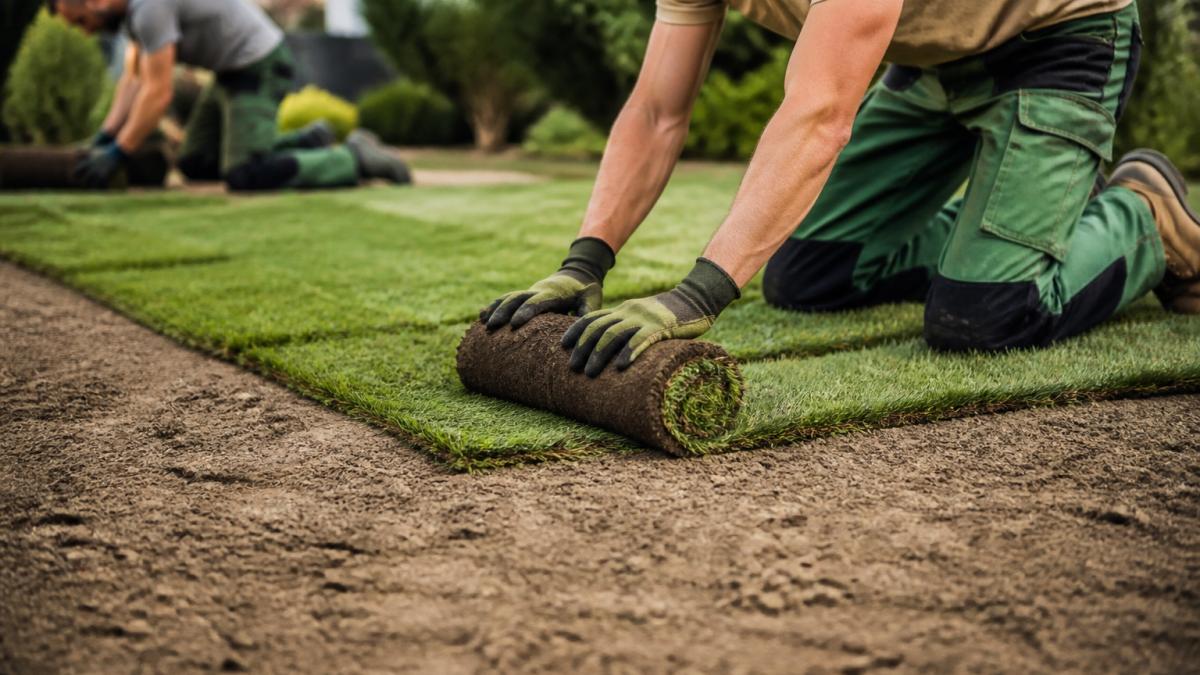
Install sod within 24 hours of delivery. Stagger the seams like brickwork so edges don't line up. Push pieces tight against each other so roots knit together.
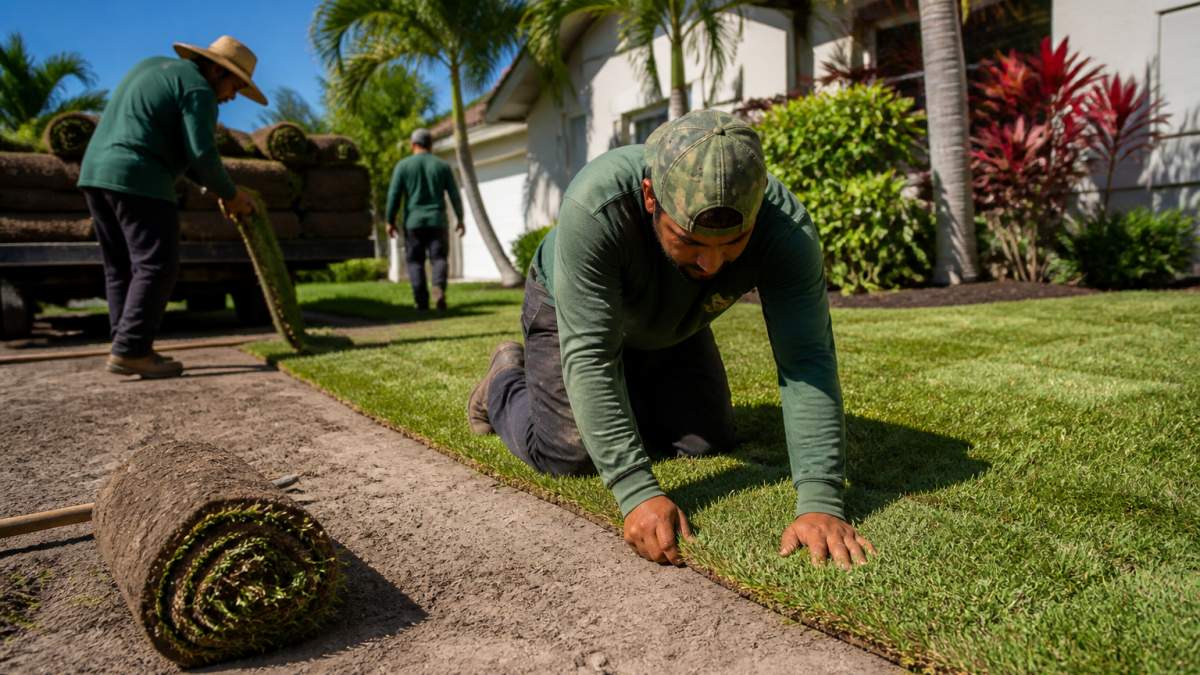
Laying the Sod Correctly
Start along a straight edge, like a driveway or walkway. Unroll each piece and press it down so it contacts the soil. Fill gaps with soil, not scraps. Water each section as you go, especially in summer heat.
Edging and Cutting
Cut sod with a sharp mower blade or utility knife for clean edges. Trim around trees, beds, and sprinkler heads. Roll the finished lawn with a light roller to remove air pockets. Then water deeply.
Sod Watering Schedule Florida: How Much and How Often
A sod watering schedule Florida lawns need means daily moisture for the first two weeks. New sod has shallow roots and dries out fast in the sun. Water once or twice a day, enough to soak the soil below the sod.
After two weeks, cut back to every other day. By week four, water two to three times a week. Early morning is best, before the heat peaks. Watch for dry edges and wilting as your signal to adjust.
How to Fix Patchy Lawn After Installation
How to fix patchy lawn problems starts with finding the cause. Patches usually mean uneven watering, poor soil contact, or shade stress. Check your sprinkler coverage first.
For small bare spots, loosen the soil and add a fresh piece of sod. Keep it watered until it roots. For larger areas, a soil test may reveal a nutrient gap. Fix the cause, then replant.
Common Sod Installation Mistakes to Avoid
Most failures trace back to a handful of errors. Here's what to watch for:
- Laying sod on unprepared or compacted soil
- Watering too little during the first two weeks
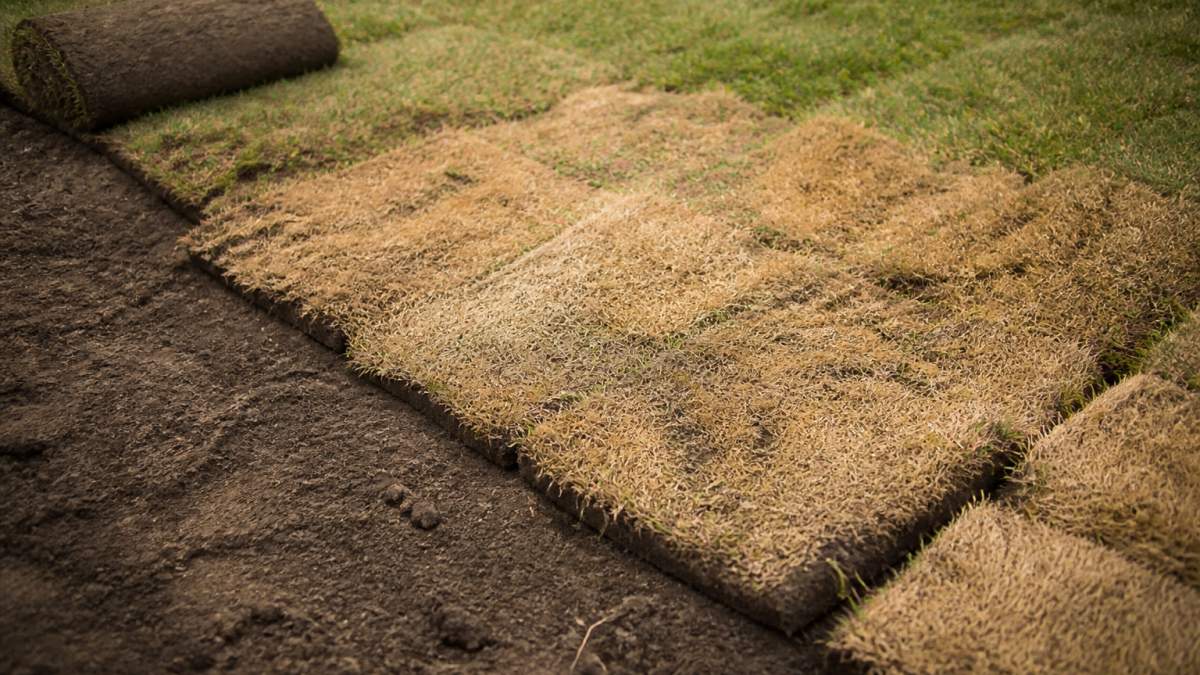
- Letting sod sit rolled up for days before installing
- Leaving gaps between pieces that dry out roots
- Skipping a soil test and guessing at amendments
- Cutting corners on grading, which causes pooling
When to Call a Professional for Sod Installation
Call a professional when your yard has grading issues, poor soil, or large areas to cover. These jobs need equipment and know-how that most homeowners don't have on hand.
P&P Landscaping and Tree Service brings over two decades of experience to sod installation. As a family-owned business, we handle soil prep, grading, and installation as one seamless project. We also care for trees, so we can spot shade and root problems before they hurt your new lawn.
If you've had sod fail before, the problem is usually the ground beneath it. Our team works with each client to fix the cause, not just lay new grass over it.
Frequently Asked Questions
What is the best time of year to install sod in North Miami?
The ideal window is during the warmer months when grass is actively growing, typically late spring through early fall. In North Miami, this means you can install sod almost year-round, but avoid the coldest weeks if you're using a warm-season variety. The key is consistent moisture and temperatures above 65°F. Installing during active growth helps roots establish faster before any cold snaps.
How often should I water new sod in the Florida heat?
For the first two weeks, water daily, sometimes twice a day if temperatures are above 90°F. Keep the soil beneath the sod consistently moist but not soggy. After two weeks, reduce to every other day, then taper off as roots take hold. A sod watering schedule in Florida must account for sandy soil that drains fast, so check moisture by lifting a corner of the sod to see if the soil is damp.
What are the most common mistakes when installing sod in Miami?
The biggest mistakes are skipping soil preparation, watering too little or too much, and not rolling the sod to ensure good soil contact. Many homeowners also lay sod on top of existing weeds or poor soil without amending it first. Another common error is waiting too long to install after delivery, which dries out the roots. Proper soil prep and immediate watering are critical for success.
How long does it take for new sod to root in Florida?
New sod typically roots within two to three weeks in Florida's warm climate, provided it receives consistent moisture. You'll know it's rooted when you can gently tug on a corner and feel resistance. Avoid heavy foot traffic or mowing for at least two weeks. After three weeks, you can reduce watering frequency and begin a normal maintenance routine, including mowing at the proper height for your grass type.
Sod installation rewards patience and prep, not speed. Get the soil right, water on schedule, and your lawn will root strong through its first season. P&P Landscaping and Tree Service offers tailored installation, expert tree care, and seamless project execution from consultation to completion. Book an on-site estimate now and get a lawn built to last.