 How-to
Protect Young Trees From High Winds: 6 Practical Steps
Last Updated: November 4, 2026
Quick Summary
Protect young trees from high winds by staking only those with a shifting root ball or unstable lean, using loose, flexible ties that allow trunk movement, and reducing exposure with a porous windbreak. Check the tree, ties, and soil before and after storms, and call a qualified tree care professional for a split trunk, large hanging branch, or worsening lean.
- Place two stakes outside the root ball and use soft, flexible ties.
- Choose a porous windbreak, such as a fence with gaps or established shrubs.
- Remove stakes when the root ball stays firm and the trunk stands upright without support.
- Keep people and pets away from trees with a split trunk or lifted root plate.
Table of Contents
- How to Protect Young Trees From High Winds in North Miami
- Step 1: Decide Whether Your Tree Needs Stakes
- Step 2: How to Stake a Tree Properly
- Step 3: Add Shelter Without Trapping Wind
- Step 4: Check Tree Health Before and After a Storm
- Step 5: When to Remove Tree Stakes
- Step 6: When to Call for Professional Tree Bracing and Cabling Services
- Book an On-Site Tree Assessment in North Miami
- Frequently Asked Questions
How to Protect Young Trees From High Winds in North Miami
According to National Weather Service hurricane safety guidance, strong winds can damage trees and send branches or other debris flying. Knowing how to protect young trees from high winds starts with one practical choice: support only trees that need it, and let their trunks move naturally. This guide explains how to stake, shelter, and check young trees. The goal is steady tree establishment, not a rigid trunk.
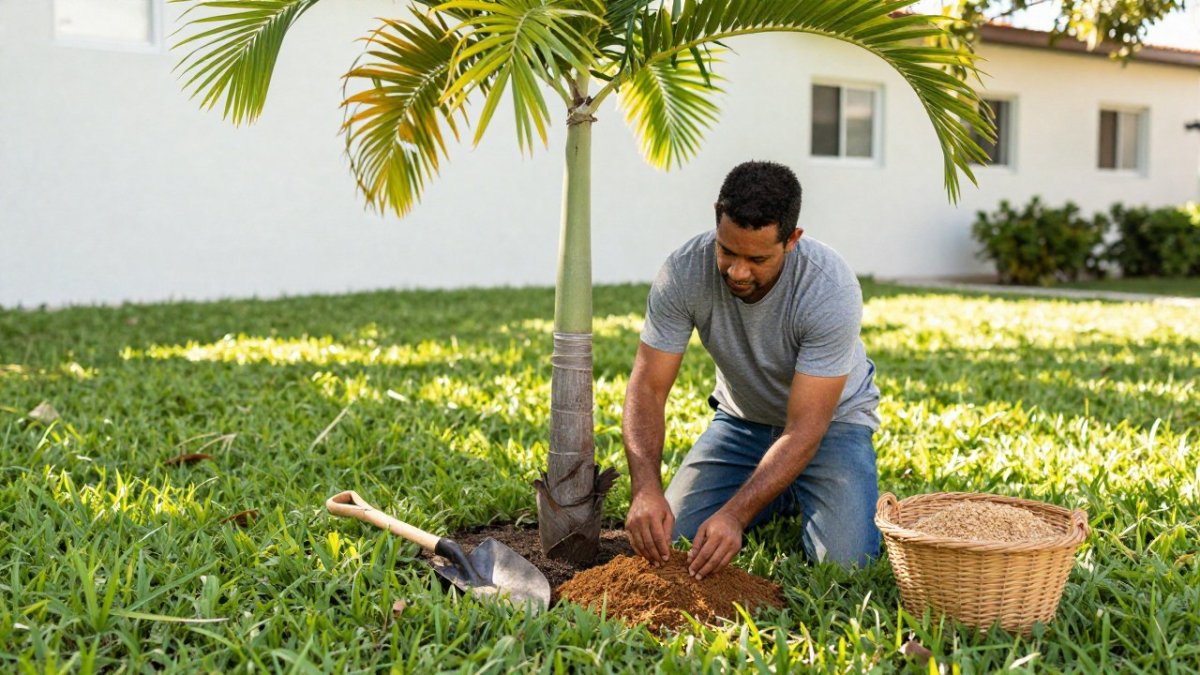
Young-tree wind protection is the set of steps that reduce wind exposure while allowing a tree to build strength. In South Florida, storm preparation should account for gusts, wet soil, and the way a tree’s root ball sits in the ground. A common mistake is staking every new tree tightly. That can limit trunk movement and leave the tree reliant on support.
Keep reading for a simple decision guide, safe staking steps, and a before-and-after storm checklist. For broader storm prep, see preventing storm damage to trees.
Step 1: Decide Whether Your Tree Needs Stakes
Stake a young tree only when the root ball shifts, the trunk leans, or the planting spot leaves it exposed to strong winds. A firm tree that stands upright and moves freely usually does not need stakes. The right choice depends on stability, not the tree’s age alone.
Check the tree after planting and following heavy rain, when soft soil can make the root ball less secure. Gently watch the base as the trunk moves. If the root ball lifts or rocks, support may help; if only the upper trunk bends, natural movement is usually better than rigid restraint.
Use this quick guide:
| What you see | What to do | What to avoid |
|---|---|---|
| Root ball shifts | Add temporary stakes | Tight ties |
| Trunk leans after planting | Check planting depth | Pulling trunk hard |
| Trunk bends, base stays firm | Leave it unstaked | Blocking movement |
| Exposed planting spot | Add nearby shelter | Solid wind barrier |
The common advice to stake every new tree is too broad. Over-staking can limit trunk movement, while a loose, stable tree can build support without ties.
Step 2: How to Stake a Tree Properly
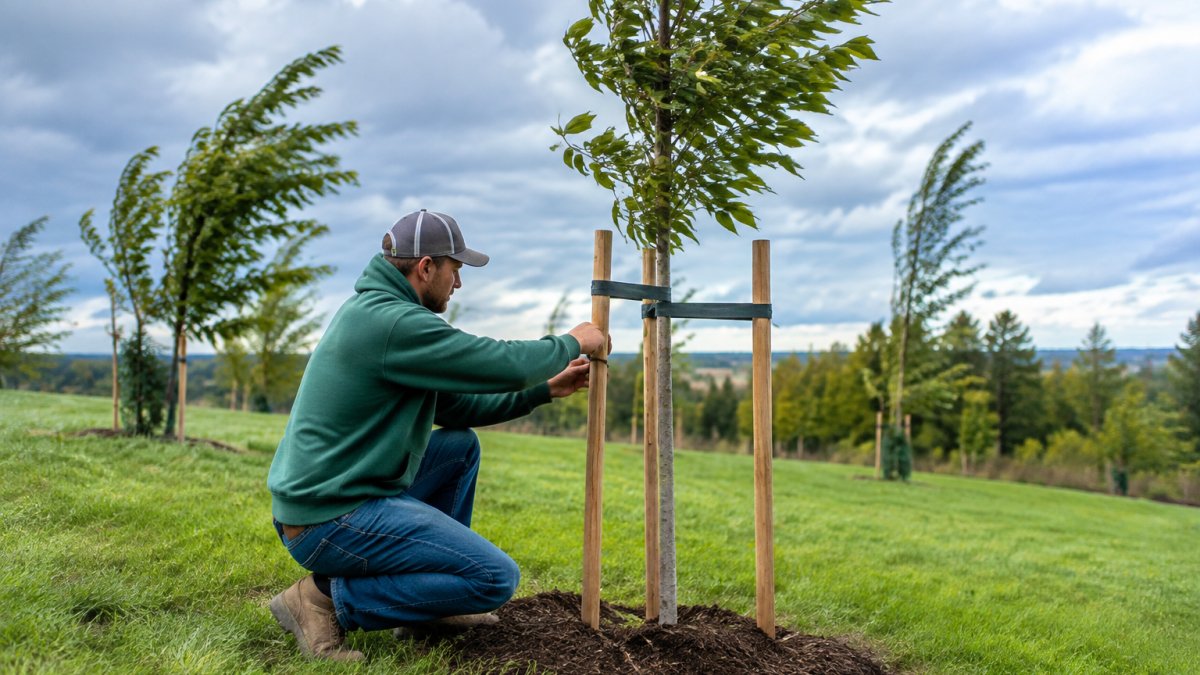
To learn how to stake a tree properly, place two stakes outside the root ball and use soft, flexible ties around the trunk. Set the ties low enough to steady the tree, but leave slack so the trunk can move. Check that ties do not rub or press into the bark.
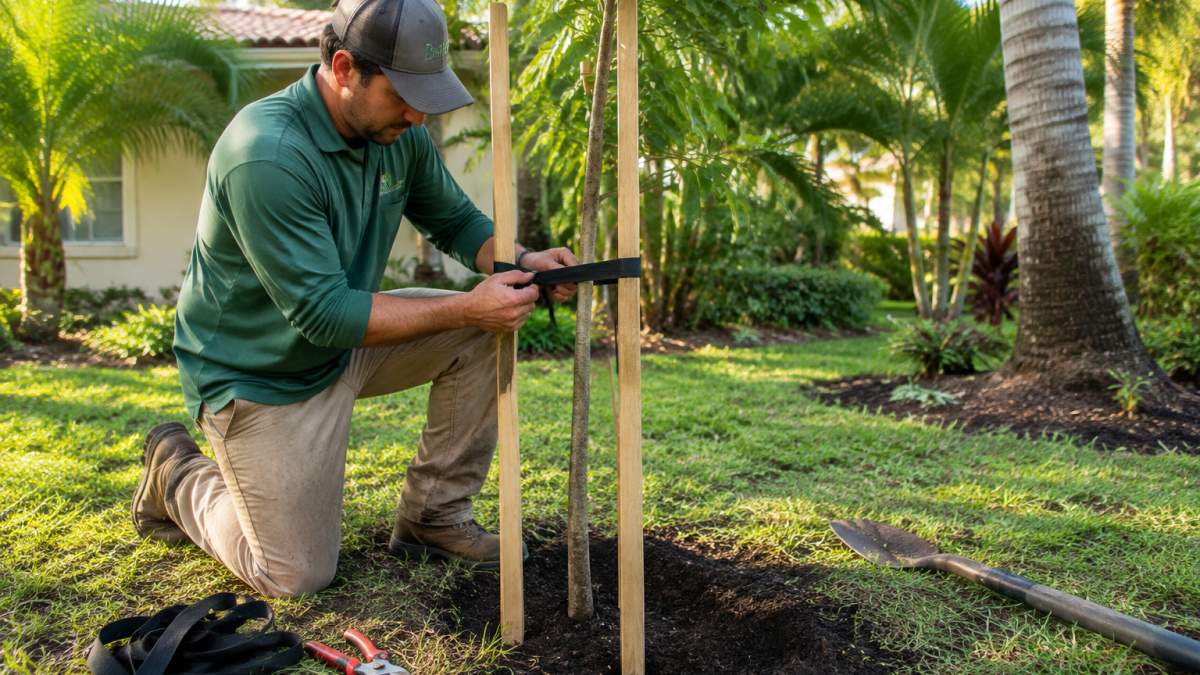
Drive stakes into firm soil beyond the root ball, rather than through it. Attach ties at a point that steadies the tree without holding the trunk rigid. Soft fabric or purpose-made flexible ties are better than wire or thin cord, which can cut into bark as the trunk moves.
A common mistake is tying the tree tightly to stop all sway. That can cause rubbing or girdling, where pressure harms the trunk. Check ties after wind and rain, and loosen or adjust them if they press into the bark.
Step 3: Add Shelter Without Trapping Wind
In North Miami, shelter should reduce a young tree’s exposure without creating a pocket of turbulent air or blocking the drainage it needs. Tropical storms and hurricanes can bring strong, shifting gusts, while coastal sites may also expose foliage to salt spray. Sandy soil can drain quickly, so a sheltered spot still needs consistent root-zone moisture while the tree establishes.
Start with the planting location. Where possible, choose a spot that is naturally buffered by the house, established vegetation, or other landscape features, while leaving enough room for the tree’s mature canopy and roots. Avoid placing a new tree where roof runoff concentrates or where water routinely pools after heavy rain. A site that stays saturated can weaken root anchorage even if it is sheltered from direct wind.
A porous windbreak, such as a fence with gaps or a row of established shrubs, can slow wind while allowing some air to pass through. A solid barrier may redirect gusts over and around its edges, producing turbulent airflow close to the tree. Keep a windbreak far enough away that it does not crowd the canopy or compete heavily for water and root space.
Salt exposure is another local consideration. A temporary cover may reduce direct spray on a small tree during a brief event, but it is not a substitute for choosing a suitable planting site or species. Burlap can help shield a small tree temporarily; secure it so it cannot whip against the foliage, and remove it when the exposure has passed. Do not wrap the canopy so tightly that it traps heat or restricts airflow.
Watch out: Do not use a tarp or other solid sheet as a windbreak around a tree; it can catch gusts, pull loose, and strike the tree or nearby property.
After a storm, check whether a fence, screen, or cover has shifted and begun rubbing the trunk or branches. Also check the soil around the root ball: shelter does not prevent heavy rain from loosening the planting area. For broader storm preparation, see storm preparation for trees.
Step 4: Check Tree Health Before and After a Storm
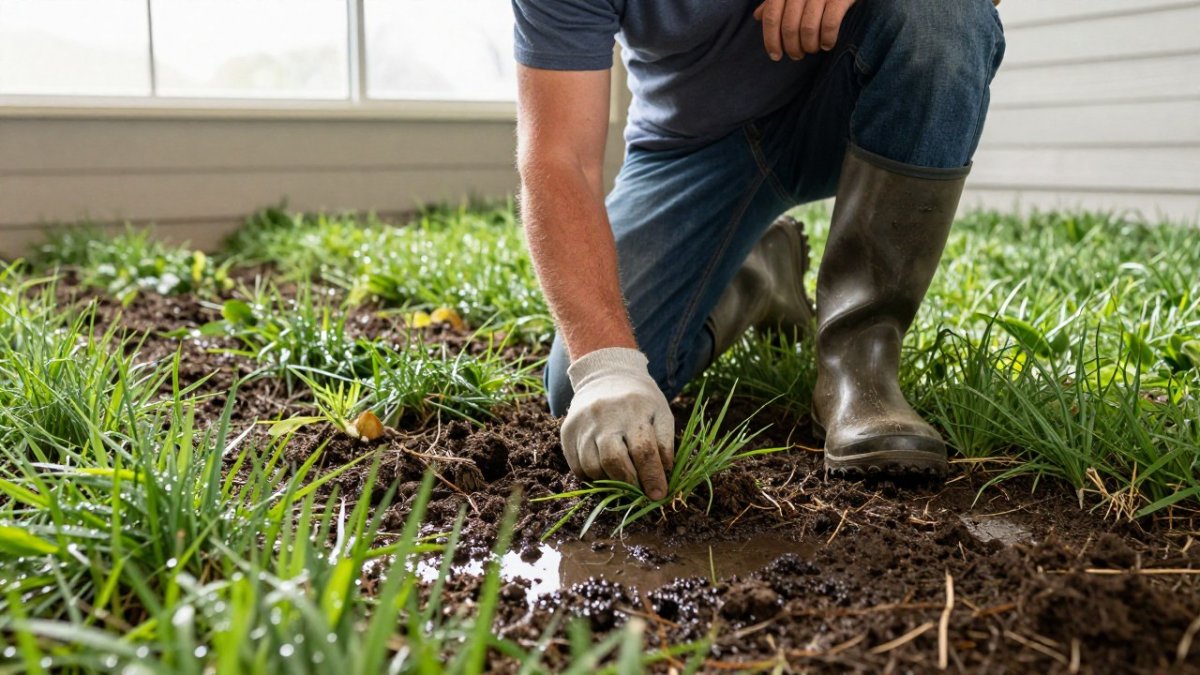
A quick check before and after high winds can catch loose supports, unstable soil, and hazardous damage. In North Miami, include the ground around the root ball in every inspection: heavy rain can soften soil and change how securely a newly planted tree is anchored.
Before a storm:
- Check that the root ball sits level with the surrounding soil and does not rock when the trunk moves gently.
- Inspect stakes and ties. The ties should be soft, secure, and loose enough to allow some trunk movement; remove anything that has begun rubbing or pressing into the bark.
- Look for dead, broken, or hanging branches. Do not climb the tree or attempt to cut large limbs yourself.
- Move loose yard items away from the tree and nearby windows, vehicles, and walkways so they are less likely to become windblown debris.
- Water the root zone if the soil is dry, but do not leave it waterlogged. A tree in sandy soil may need closer attention to moisture than one in soil that holds water longer.
After a storm:
- From a safe distance, check whether the tree is newly leaning, the root plate has lifted, or soil has cracked or pulled away around the base.
- Look for a split trunk, broken limbs, hanging branches, or bark damage. Check ties and stakes for movement, looseness, or contact with the trunk.
- If the tree is stable and there is no hazardous damage, note any changes and recheck after the soil has drained. Do not assume a tree is secure just because it remains standing immediately after a storm.
- Keep people and pets away from a tree with a hanging limb, a split trunk, or a visibly lifted root plate. Do not pull a leaning tree upright or work beneath damaged branches.
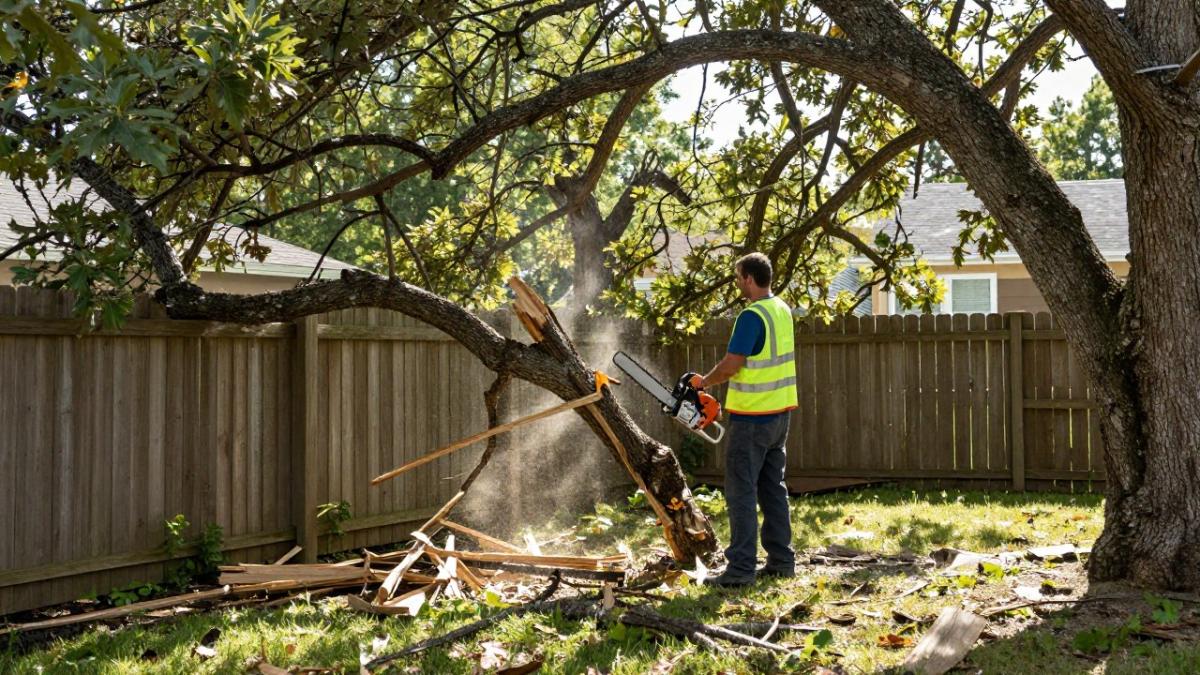
Watch out: A leaning tree with a lifted root plate, a split trunk, or a large hanging limb needs assessment by a qualified arborist; these conditions can worsen without warning and are not safe DIY pruning or staking jobs.
For smaller, accessible broken twigs, use clean, appropriate pruning tools only if you can work safely from the ground. Leave large limbs and damage near power lines to qualified professionals, and contact the utility if a tree or branch is touching a power line. For more warning signs, see hazardous tree warning signs, and review healthy tree care in North Miami for routine checks.
Step 5: When to Remove Tree Stakes
Remove tree stakes once the root ball stays firm and the trunk can stand upright without support. Stakes are temporary, not a permanent part of tree care. Check the tree as it establishes, and remove ties and stakes when they no longer serve a clear purpose.
Leaving stakes in place too long can limit natural movement or let ties rub the trunk. Check them after storms and during routine yard care. If the tree still leans or the root ball shifts, reassess the planting and support rather than simply tightening the ties.
The best test is simple: the base stays stable, and the trunk moves without the root ball lifting. If those signs are unclear, ask a qualified tree care professional to assess the tree before changing its support.
Step 6: When to Call for Professional Tree Bracing and Cabling Services
Call a qualified tree care professional when a tree has a split trunk, a large hanging branch, a shifting root ball, or a lean that worsens after a storm. A qualified tree care professional can assess trees with structural concerns and their overall condition (Managing Hazards and Risk).
Pruning can remove broken or hazardous branches, but cutting large limbs without the right skill can create more risk. Avoid climbing or working beneath damaged limbs. Ask the professional to explain whether the tree needs pruning, support, or another plan.
For local options, North Miami tree service companies can help you compare providers. A common mistake is treating every leaning tree the same; the cause and condition matter.
Book an On-Site Tree Assessment in North Miami
Protecting young trees from high winds is a balance: reduce exposure, support only when needed, and leave room for natural movement. P&P Landscaping and Tree Service provides landscaping and tree care, with tailored service for each property. For local maintenance options, see North Miami tree maintenance.
A storm can expose problems that routine checks miss. Book an on-site estimate with P&P Landscaping and Tree Service to discuss landscaping and tree care for your property.
Frequently Asked Questions
How do you stake a young tree to protect it from high winds?
Consult a qualified tree care professional about whether the tree needs support.
How long should a tree remain staked after planting?
Ask a qualified tree care professional to assess whether the tree still needs support.
How can I block wind with trees without creating a new problem?
A landscape professional can assess the site and discuss landscape design options.
Should I prune a young tree after wind damage?
Contact a qualified tree care professional about damage or pruning needs.