 how-to
How to Maintain Healthy Trees in North Miami
Table of Contents
- Why North Miami's Climate Demands a Different Approach to Tree Care
- Tree Trimming North Miami: When and How to Prune for Strength
- Watering and Fertilizing Schedule for Healthy Trees in North Miami
- Common Tree Diseases and Pests in Miami-Dade County
- Hurricane Tree Preparation North Miami: Protecting Your Canopy Before Storm Season
- Miami-Dade Tree Permit Requirements: What Homeowners Need to Know
- When to Call a Professional Tree Service
- Frequently Asked Questions
Last Updated: September 27, 2026
Why North Miami's Climate Demands a Different Approach to Tree Care
Maintaining healthy trees in North Miami is a year-round job, not a seasonal one. The region's mix of intense sun, heavy summer rain, and hurricane-season winds means trees here face stress that most care guides never address. At P&P Landscaping and Tree Service, we've spent over two decades helping homeowners in Miami-Dade and Broward County keep their canopies strong.
The biggest mistake we see is treating South Florida like a temperate climate. It isn't. Trees here grow fast, which sounds great until you realize fast growth often means weak wood. Add sandy soil that drains quickly and a storm season that can snap a shallow root system in one afternoon, and you get a very different set of rules.
This guide covers exactly how to maintain healthy trees in North Miami, from pruning timing to hurricane prep to the permits you'll need before you touch a branch.
Tree Trimming North Miami: When and How to Prune for Strength
The best time to prune most trees in North Miami is late winter to early spring, just before the growing season starts. That window lets the tree heal fast and avoids cutting during peak storm months.
Best Time to Prune Trees in South Florida
Late winter works best for most species. For flowering trees, wait until right after they bloom. Avoid heavy pruning in late summer and fall, when new growth won't have time to harden before winter winds arrive.
How Often Should Trees Be Trimmed?
Most mature trees need trimming every one to three years. Fast growers like ficus may need it yearly.
- Remove dead, crossing, or rubbing branches first
- Cut at the branch collar, never flush to the trunk
- Never remove more than 25% of the canopy at once
- Hire a pro for anything above your reach
Watering and Fertilizing Schedule for Healthy Trees in North Miami
Newly planted trees need deep watering two to three times a week for the first year. Established trees usually survive on rainfall alone, but drought spells require a slow soak every week or two.
Fertilize in early spring and again in early summer. Use a slow-release blend suited to sandy South Florida soil, which loses nutrients fast. Over-fertilizing pushes weak, fast growth that breaks in wind.
- Water deeply, not often, to build strong roots
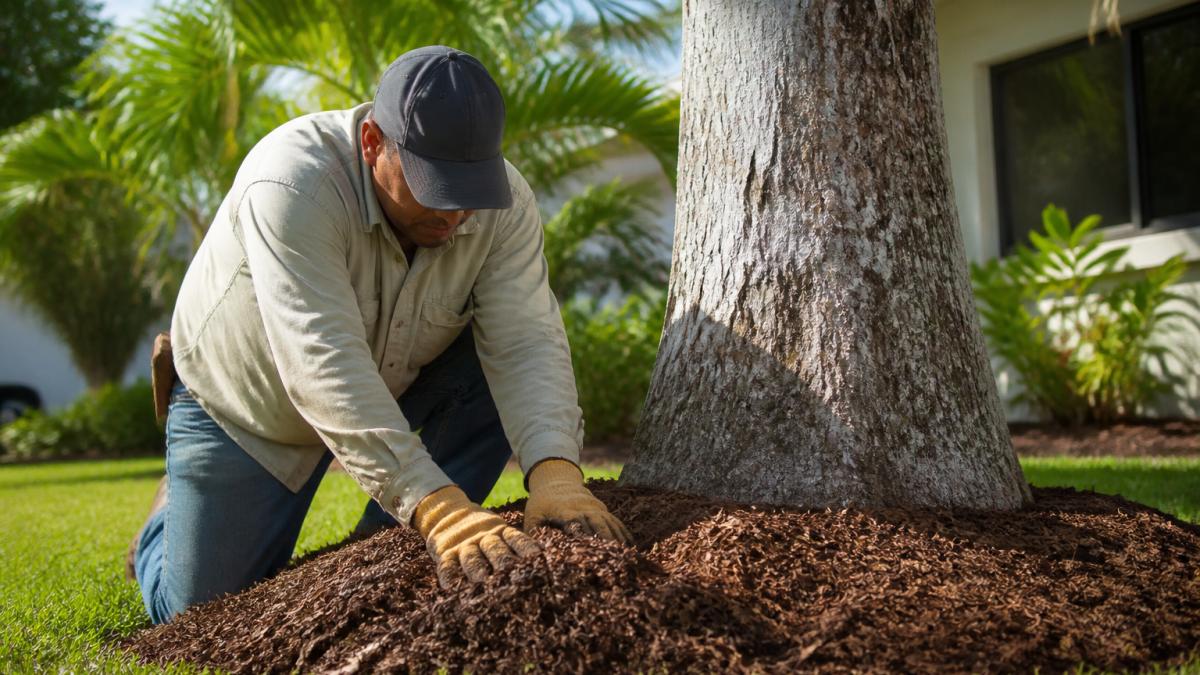
- Mulch 2-3 inches deep, keeping it off the trunk (Mulching Trees and Shrubs)
- Skip fertilizer in late fall
- Test your soil if trees look pale or stunted
Common Tree Diseases and Pests in Miami-Dade County
Miami-Dade County trees battle a short list of problems more than any others. Recognizing them early saves the tree and your wallet.
- Lethal bronzing: kills palms fast; watch for dropping fronds
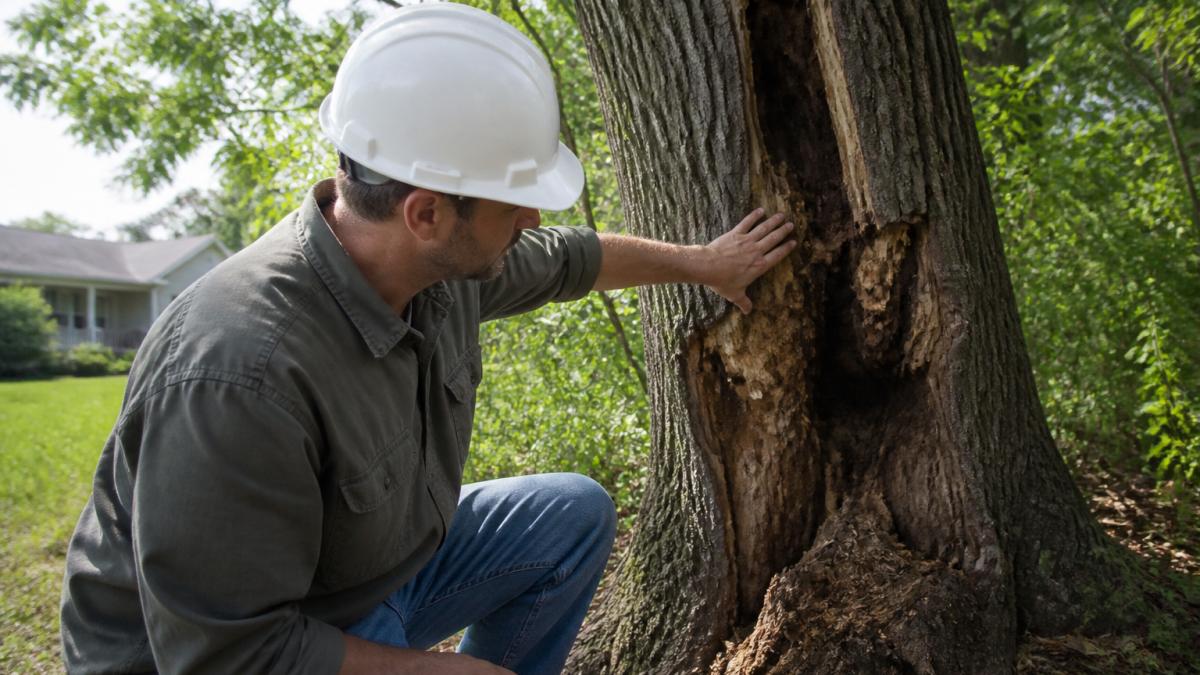
- Ganoderma root rot: mushrooms at the base signal serious decay
- Whiteflies and scale: sap-sucking pests that weaken leaves
- Laurel wilt: spreads by beetles and kills avocado and redbay
Catch these early and a professional can often help. Let them spread and removal may be necessary.
Hurricane Tree Preparation North Miami: Protecting Your Canopy Before Storm Season
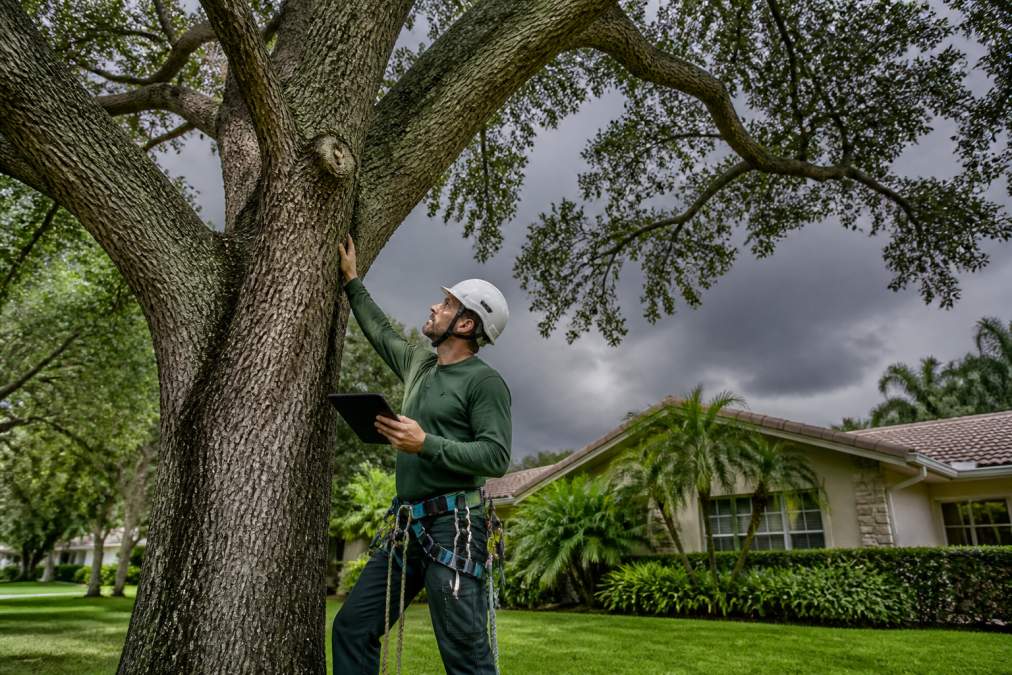
Start hurricane tree preparation North Miami homeowners can rely on at least six weeks before storm season peaks. Waiting until a storm is named is too late.
What to Do Before, During, and After a Storm
- Before: Thin the canopy, remove dead wood, and clear limbs near power lines
- During: Never go outside to trim; stay clear of windows
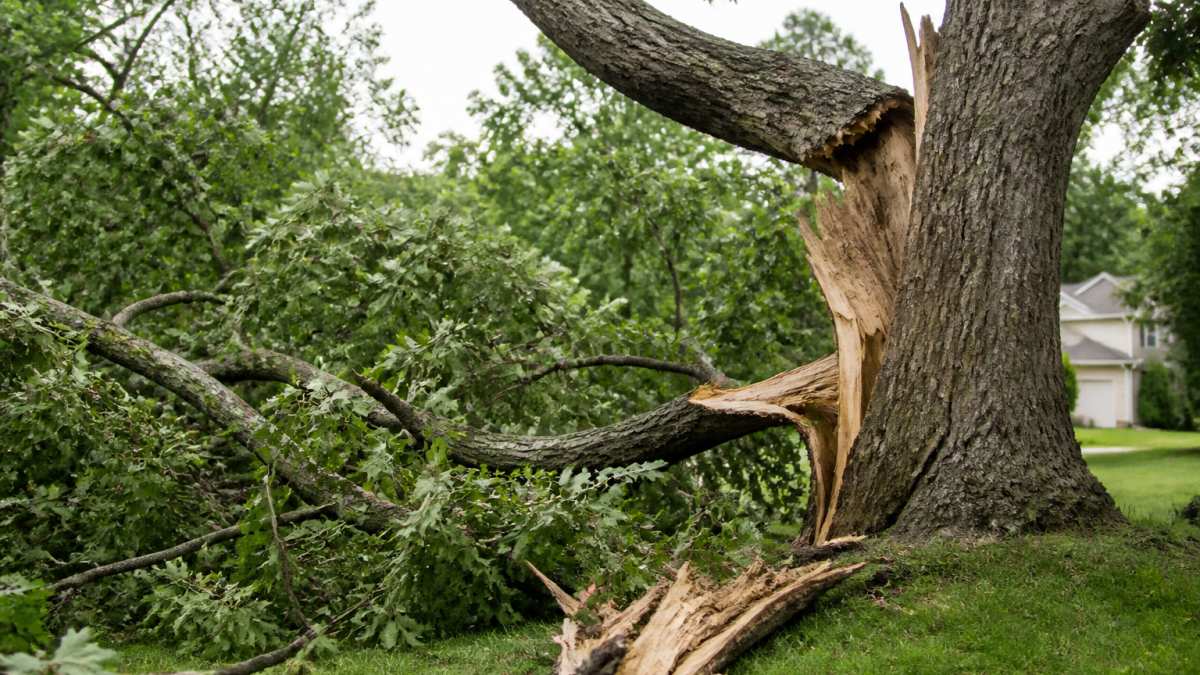
- After: Inspect for hanging limbs before letting anyone under the tree
Miami-Dade Tree Permit Requirements: What Homeowners Need to Know
Miami-Dade tree permit requirements apply to many trees before you cut them (Miami-Dade County Permit). Protected and heritage species often need approval first, and removing a regulated tree without a permit can lead to fines.
Check with Miami-Dade County's environmental office before any major trimming or removal. Rules vary by species and trunk size, so confirm your specific tree's status. For help navigating the process, a professional tree service can assist.
When to Call a Professional Tree Service
Call a professional when a tree is large, near structures, or showing signs of disease. DIY pruning is fine for small, low branches. Anything above your head or near power lines belongs to a pro.
Here's how to decide:
| Situation | DIY or Pro? | Why |
|---|---|---|
| Small low branches | DIY | Safe with basic tools |
| Large limbs near roof | Pro | Fall risk and liability |
| Diseased or dying tree | Pro | Needs diagnosis |
| Storm-damaged canopy | Pro | Dangerous and urgent |
| Protected species | Pro | Permit required |
If you're searching for tree care "near me" in North Miami, look for a professional team.
Frequently Asked Questions
Do I need a permit for tree removal in North Miami?
Yes, Miami-Dade County requires a tree removal permit for most trees with a trunk diameter of 4 inches or more, measured 4.5 feet from the ground. Protected species and heritage trees have stricter rules. Removing a tree without a permit can result in fines. Before any removal, verify the tree's status with Miami-Dade County's Department of Regulatory and Economic Resources or work with a licensed tree service that handles the paperwork for you.
How often should trees be trimmed in South Florida?
Most established trees in North Miami benefit from trimming every 12 to 18 months. Fast-growing species like ficus and gumbo limbo may need annual pruning, while slower growers can go two years. The best time is late winter or early spring before the growing season. Avoid heavy pruning during hurricane season, since open wounds make trees more vulnerable to wind damage and disease.
How do I protect my trees during hurricane season in North Miami?
Start hurricane tree preparation in North Miami by scheduling a professional inspection in late spring. Remove dead, crossing, or weakly attached branches. Thin the canopy to reduce wind resistance without over-pruning, which weakens the tree. Check for root damage or soil erosion around the base. After the storm, inspect for cracked limbs and leaning trunks before clearing debris. A certified arborist can identify hazards you might miss.
What are common tree diseases in Miami-Dade County?
North Miami trees commonly face various issues, including those affecting palms. Root rot from overwatering is another frequent issue in South Florida's rainy climate. Watch for discolored leaves, premature drop, cankers, and fungal growth at the base. Catching these early with proper care can help keep most trees healthy.
Keeping trees healthy in North Miami takes the right timing, the right tools, and a healthy respect for storm season. P&P Landscaping and Tree Service brings over two decades of family-owned experience to every job, from routine trimming to full tree removal and landscape design. We handle permits, haul away debris, and leave your property clean. Get started with P&P Landscaping and Tree Service and book your on-site estimate today.