 how-to
Why Does New Sod Die? Fix It Before It's Too Late
Table of Contents
- Why New Sod Dies: The Most Common Causes
- How to Water New Sod in Florida Without Drowning It
- New Sod Installation Mistakes That Kill Your Lawn
- When to Call a Professional
- Frequently Asked Questions
Last Updated: September 19, 2026
Why New Sod Dies: The Most Common Causes
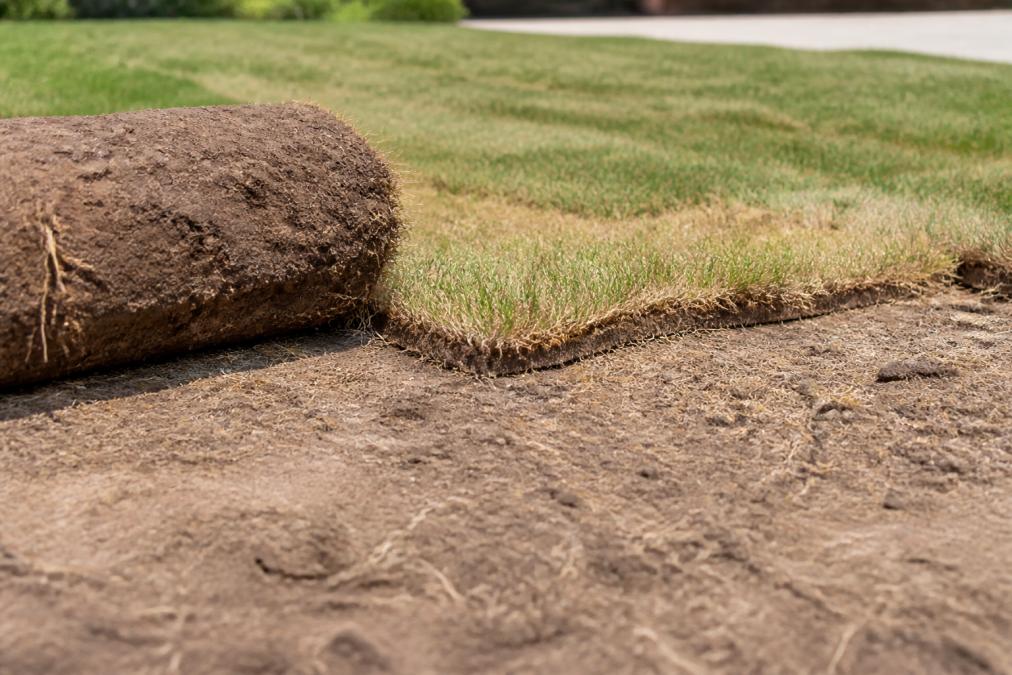
New sod dies when its roots never connect to the soil below, so it sits like a carpet and turns brown within days. At P&P Landscaping and Tree Service, we see this across many South Florida yards.
- Watering. Too little in week one starves new sod; too much smothers roots and grows fungus.
- Soil. Loose, uneven, hard, sandy, or compacted ground leaves roots nothing to grab.
- Timing and traffic. Peak summer heat stresses sod, and foot traffic crushes roots before they form.
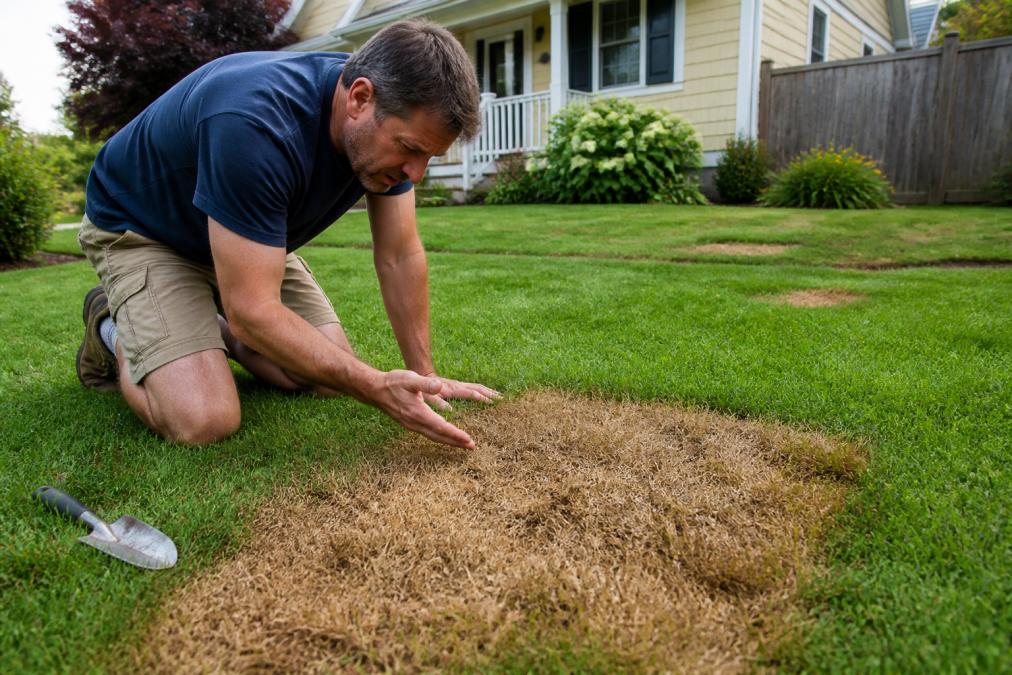
A common mistake is blaming the sod itself. The problem usually sits in the ground under it.
How to Water New Sod in Florida Without Drowning It
Water new sod in Florida with short, frequent soakings for two weeks, then taper off. The goal is damp soil, not a swamp.
South Florida heat and sandy soil dry out fast, making watering the biggest factor in whether your new sod lives or dies. Follow this schedule:
| Week | How Often | How Long | What to Check |
|---|---|---|---|
| Week 1 | 2-3 times daily | 10-15 minutes | Soil damp 1 inch down |
| Week 2 | Once daily | 20-30 minutes | Roots tugging at sod |
| Week 3 | Every other day | 30 minutes | Sod stays green |
| Week 4+ | 2-3 times weekly | 30-45 minutes | Deep roots formed |
Watering at noon wastes much of it to evaporation. Early morning works best.
New Sod Installation Mistakes That Kill Your Lawn
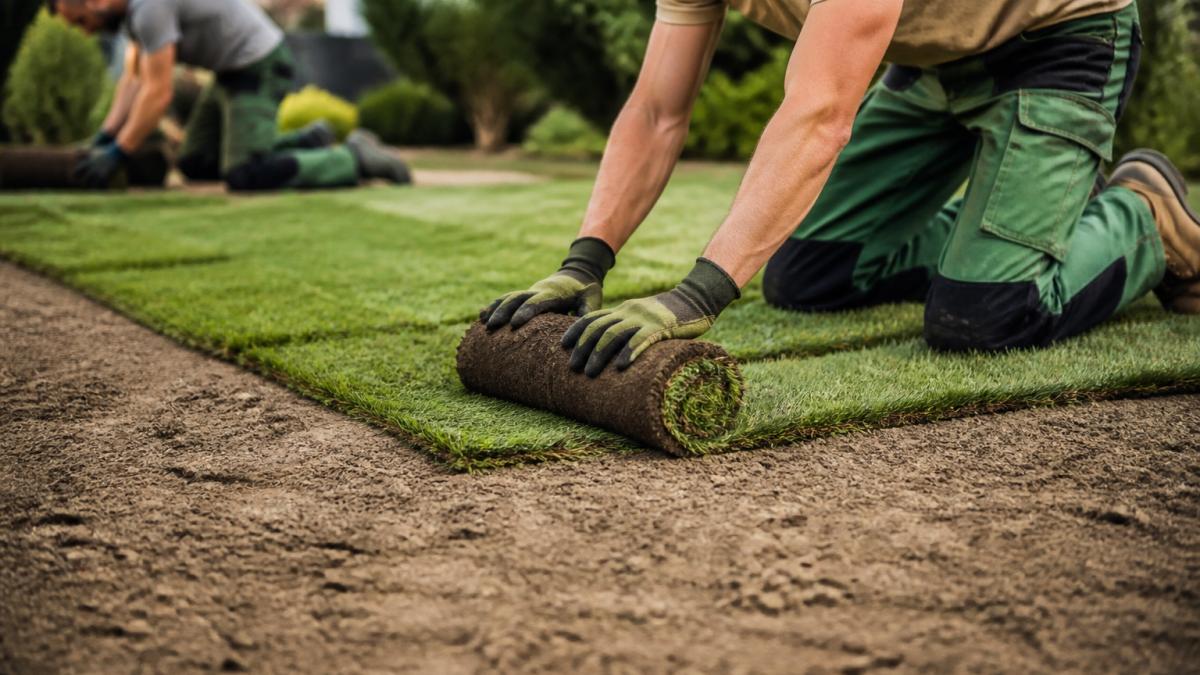
Most new sod installation mistakes happen before the first roll goes down. Prep work decides everything.
- Test soil and fix pH before laying sod
- Remove old grass, weeds, and rocks
- Till the top 4-6 inches of soil
- Level the ground so water drains evenly
- Add compost or topsoil to sandy ground
- Roll the sod so it makes full contact with the soil
- Keep seams tight so edges do not dry out
One missed step can undo weeks of care; the fix is rarely the sod, but the ground under it.
When to Call a Professional
Some yards need more than a watering tweak. Hard soil, poor drainage, and heavy shade are hard to fix alone.
P&P Landscaping and Tree Service has helped homeowners and property managers across North Miami and Broward County for over two decades, handling soil prep, sod installation, and tree care. If your sod keeps dying no matter what you try, the problem is likely in the soil. We can find it and fix it.
Frequently Asked Questions
How much water does new sod need in the North Miami heat?
New sod in South Florida needs about 1 inch of water daily for the first two weeks, ideally split into two shorter sessions (morning and early afternoon) so the water soaks in instead of running off. After roots start knitting into the soil, usually around week three, you can cut back to every other day. In peak summer heat, check the soil by lifting a corner of sod; if the soil underneath is dry, you are underwatering. Adjust based on rainfall.
Can you overwater new sod in Florida?
Yes, overwatering is just as damaging as underwatering. Florida's sandy soil drains fast, but frequent shallow watering keeps roots near the surface and encourages fungus and rot. If the sod feels spongy, smells sour, or develops yellowing patches, you are likely overwatering. Water deeply and less often once established. During the rainy season, turn off irrigation on days with heavy rain to avoid drowning the roots.
How do I know if my new sod is dead or just dormant?
Tug gently on a corner of the sod. If it lifts easily with no resistance, the roots never established and it is likely dead. If it holds firm, the grass may be dormant or stressed but still alive. You can also scratch the surface with your fingernail; green tissue underneath means the grass is alive. Brown blades on top do not always mean death. Give it a week of proper watering before replacing anything.
New sod dying is frustrating, especially when you have already paid for it twice. The good news is that the causes are predictable and fixable. P&P Landscaping and Tree Service brings over two decades of experience, tailored soil prep, and full-service sod installation to every job. We also handle tree care so your whole yard works together. Book your on-site estimate with P&P Landscaping and Tree Service and get sod that actually takes root.