 how-to
What to Do If Tree Roots Damage Your Home Foundation
Last Updated: October 23, 2026
Quick Summary
When tree roots damage foundation, start by looking for visible signs like cracks, uneven floors, and gaps between walls and doors. Schedule a professional foundation inspection to measure damage severity, then get an arborist inspection to confirm the tree is causing the problem. Your options are removing the tree entirely, pruning it to slow growth, or installing a root barrier to redirect roots away from your home.
- Minor cracks less than 1/4 inch wide can be sealed with concrete caulk or epoxy
- Root barriers are installed 2 to 3 feet deep and typically last 15 to 20 years
- Tree removal stops root damage completely but eliminates shade and privacy benefits
- Pruning slows tree growth and root expansion but doesn't eliminate the tree
- Monitor repaired cracks monthly for the first year and document all changes with photos
Table of Contents
- Assess the Damage Immediately
- Recognize the Signs of Foundation Damage from Tree Roots
- Schedule a Foundation Inspection for Cracks and Settlement
- Get an Arborist Inspection for Tree Roots
- Decide Whether to Remove, Prune, or Protect the Tree
- Install a Tree Root Barrier Installation to Prevent Future Damage
- Repair Foundation Damage and Monitor Progress
- Frequently Asked Questions
Assess the Damage Immediately
The first step when you suspect tree roots damage foundation is to look for visible signs. Walk around your house and check for cracks in the foundation, uneven floors, or gaps between walls and doors. These warning signs often appear gradually, so catching them early makes repairs easier and cheaper.
Don't panic if you see minor cracks. Not all foundation damage requires immediate action. But you should document what you find by taking photos and noting where cracks appear. This information helps when you get professional inspections later.
Check your basement or crawl space for water seepage, which can indicate foundation movement. Look at the soil around your home's perimeter too. If you notice tree roots breaking through the surface near your foundation, that's a clear signal that roots may already be causing problems underground.
Recognize the Signs of Foundation Damage from Tree Roots
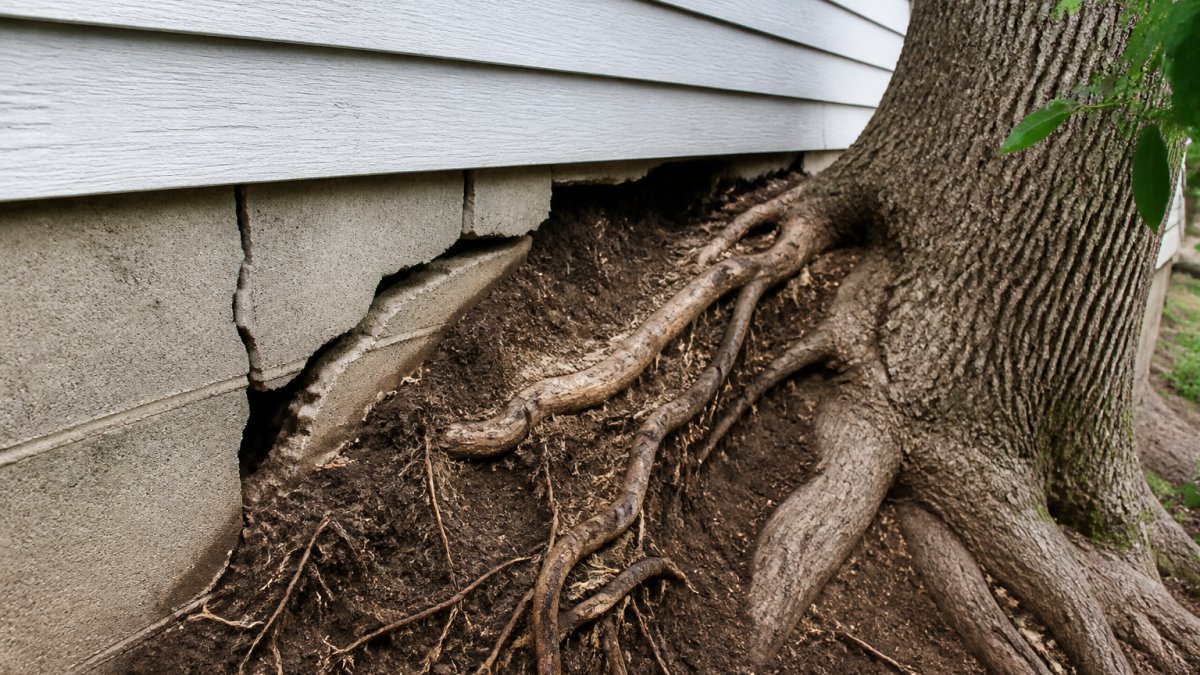
Signs of foundation damage from tree roots include horizontal cracks, stair-step cracks, and bowing walls. These cracks often start small but grow over time as roots continue to expand and shift soil beneath your home.
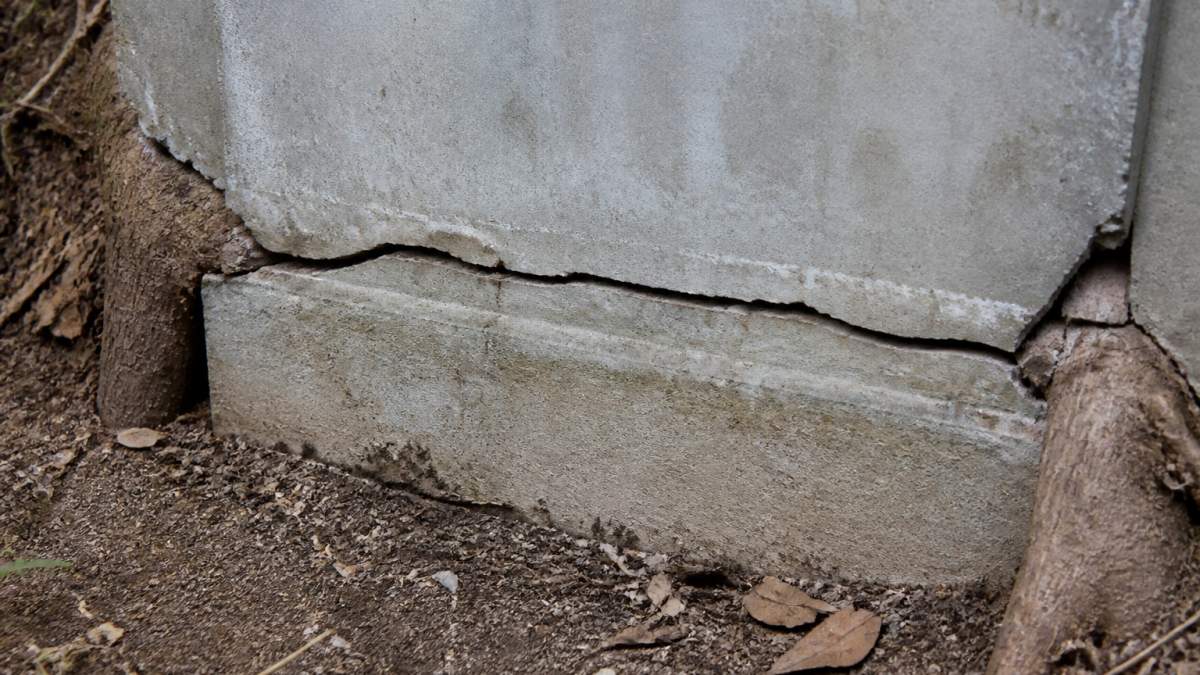
Inside your home, watch for doors and windows that stick or won't close properly. Floors that slope or feel uneven are another red flag. You might also notice gaps appearing between your walls and trim, or cracks in drywall that seem to follow a pattern.
Outside, look for:
- Cracks wider than 1/4 inch running horizontally or in stair-step patterns
- Soil settling or sinking near the foundation
- Visible tree roots breaking through the surface
- Wet spots or standing water near the foundation
These signs develop because tree roots damage foundation by pushing against it and absorbing moisture from the soil, causing it to shift. The combination of pressure and soil movement creates stress on your foundation's concrete.
Schedule a Foundation Inspection for Cracks and Settlement
A professional foundation inspection for cracks and settlement is essential before you decide on any treatment plan. Inspectors use specialized equipment to measure crack width, depth, and direction. They also check for structural movement and determine whether cracks are active (still growing) or stable.
Book an inspection as soon as you notice signs of damage. The inspector will examine your foundation from the inside and outside, looking at the basement, crawl space, and exterior walls. They'll take measurements and photographs to establish a baseline for monitoring future changes.
During the inspection, ask the professional to:
- Measure all visible cracks and note their location
- Check for water intrusion or moisture problems
- Assess whether the foundation is settling unevenly
- Identify which tree or trees might be causing damage
The inspection report gives you clear information about how serious the damage is. This helps you decide whether you need immediate repairs or can monitor the situation over time. Keep copies of inspection reports to track changes year after year.
Get an Arborist Inspection for Tree Roots
An arborist inspection for tree roots tells you whether a specific tree is actually causing the damage. Arborists are certified tree specialists who understand how roots grow and which trees pose the biggest risks to foundations.
The arborist will examine the tree's age, size, species, and health. They'll also look at how close the tree grows to your foundation and whether its root system is expanding toward your home. Some tree species have aggressive root systems that spread far underground, while others have roots that stay closer to the trunk.
During the inspection, the arborist will:
- Identify the tree species and its typical root behavior
- Measure the distance between the tree and your foundation
- Look for signs of root damage or disease in the tree itself
- Recommend whether the tree can be saved or should be removed
Ask the arborist about the tree's life expectancy too. A mature tree nearing the end of its life might need removal anyway. Younger trees sometimes can be managed through pruning or root barriers.
Decide Whether to Remove, Prune, or Protect the Tree
You have three main options: remove the tree entirely, prune it to slow root growth, or install a root barrier to protect your foundation. Each approach has trade-offs, and the right choice depends on your situation.
Tree removal stops root damage completely but eliminates the tree's benefits like shade and privacy. Removal is the best option if the tree is old, diseased, or poses other hazards. If you're in the North Miami area and need professional guidance on this decision, hire local tree removal experts to discuss your options before committing to removal.
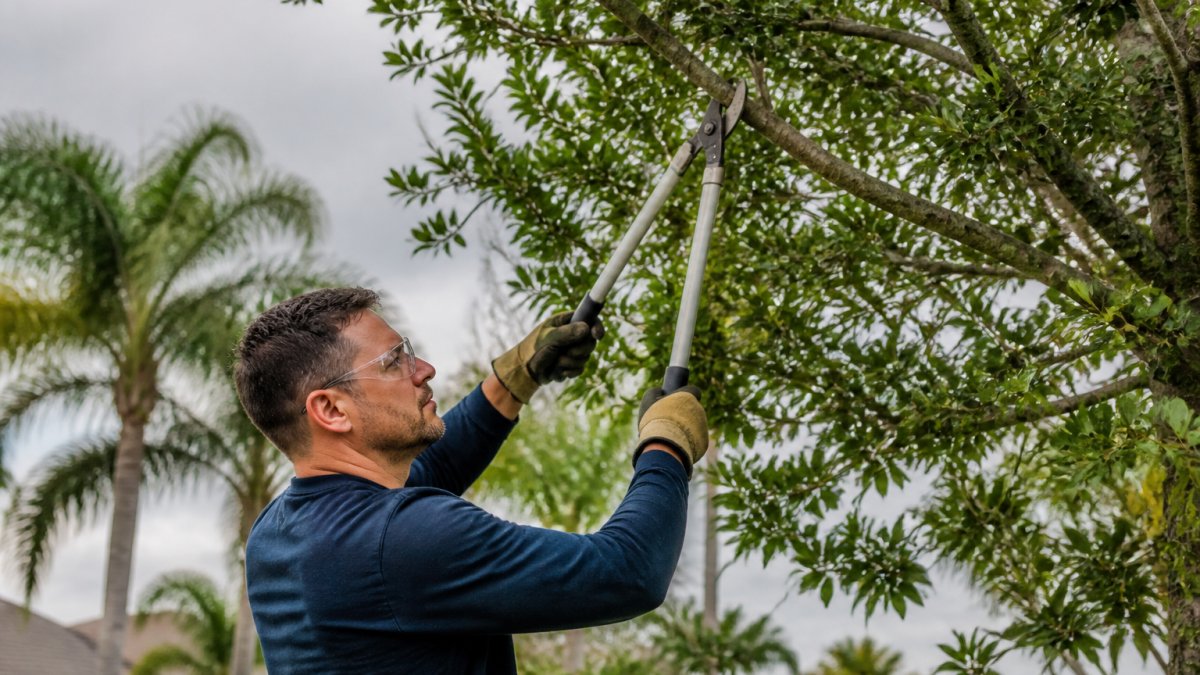
Pruning slows the tree's growth by removing branches, which reduces the tree's overall vigor and root expansion. Pruning doesn't stop roots from growing, but it can slow the process. This works best for younger trees or when you want to keep the tree but reduce its impact.
Root barriers prevent roots from growing toward your foundation. These physical barriers are installed underground between the tree and your home. They're effective at redirecting root growth but don't eliminate the tree. Learn how to maintain healthy trees if you choose to keep your tree with a barrier installed.
Consider these factors when deciding:
- How old is the tree?
- Is it healthy or showing signs of disease?
- Does it provide shade or privacy you value?
- How close is it to your foundation?
- Are there other trees nearby?
You have three main options for managing trees that damage your foundation, each with different outcomes.
| Option | How it works | Best for |
|---|---|---|
| Tree removal | Stops root damage completely | Old, diseased, or hazardous trees |
| Pruning | Slows tree growth and root expansion | Younger trees you want to keep |
| Root barrier | Redirects roots away from foundation | Preventing future damage before it occurs |
Install a Tree Root Barrier Installation to Prevent Future Damage
A tree root barrier installation is a physical underground wall that redirects roots away from your foundation. Barriers are typically made of plastic, metal, or composite materials and are installed 2 to 3 feet deep in the soil between the tree and your home.
The barrier doesn't kill the tree or stop all root growth. Instead, it channels roots downward and away from your foundation. Roots will still grow, but they'll spread in different directions where they won't damage your home.
Installation involves:
- Digging a trench between the tree and foundation
- Inserting the barrier material vertically into the trench
- Backfilling the trench with soil
- Monitoring the barrier over time
Barriers work best when installed before significant damage occurs. If damage already exists, you'll need foundation repairs in addition to the barrier. The barrier prevents future damage but doesn't fix what's already broken.
Barriers typically last 15 to 20 years before they may need replacement. Check the barrier periodically to make sure soil hasn't shifted or exposed it. A professional can assess whether your barrier is still functioning properly.
Repair Foundation Damage and Monitor Progress
Once you've addressed the root cause (removing, pruning, or blocking the tree), you can focus on repairing existing foundation damage. Foundation repairs range from simple concrete patching to more complex structural work depending on how severe the damage is.
Minor cracks (less than 1/4 inch wide) can be sealed with concrete caulk or epoxy. Wider cracks may need professional repair using injection systems or concrete patching. Structural damage like bowing walls or significant settlement requires more extensive work.
After repairs are complete, monitor your foundation regularly:
- Check repaired cracks monthly for the first year
- Take photos to track any changes
- Note whether new cracks appear
- Watch for water seeping into your basement
If you're ready to address tree root issues professionally, book a professional tree removal quote to understand what's involved in your specific situation. When repairs and prevention are complete, schedule your on-site estimate to discuss ongoing monitoring and maintenance.
Keep inspection records showing the date, crack measurements, and any changes you notice. This documentation helps professionals track whether your foundation is stabilizing or continuing to move. Most foundations settle over time, but the goal is to stop active movement caused by tree roots.
Tree roots damaging your home foundation is a serious issue, but it's manageable when you act quickly. At P&P Landscaping and Tree Service, we help homeowners in the North Miami area assess tree damage and decide on removal or protection strategies. Our team has over two decades of experience identifying which trees threaten foundations and which can be saved through pruning or barriers. Book an on-site estimate now to discuss your specific situation and get a clear plan for protecting your foundation.
Frequently Asked Questions
Can tree roots actually damage a home's foundation?
Yes. Tree roots seek moisture and can grow into foundation cracks, expand existing gaps, or absorb soil moisture beneath the foundation, causing it to settle unevenly. Roots from large trees like oaks can extend far from the trunk and exert significant pressure on concrete and masonry. The damage develops gradually, which is why early detection matters.
What are the most common signs of foundation damage from tree roots?
Look for diagonal cracks in foundation walls or basement concrete, doors and windows that stick or won't close properly, visible gaps between the foundation and walls, and uneven floors. Exterior signs include foundation settling on one side, water pooling near the foundation, and roots visibly breaking through concrete. Indoor signs like new cracks appearing near windows or doors often indicate settlement.
Should I remove the tree if its roots are damaging my foundation?
Not always. An arborist can assess whether the tree is salvageable through root pruning, barrier installation, or other measures. Complete removal is one option but should be your last resort if the tree is healthy and valuable. A professional inspection determines whether the tree can coexist with your foundation with proper management, or if removal is truly necessary.
What's the first step if I suspect tree root foundation damage?
Schedule a foundation inspection to confirm damage and assess its severity. A structural engineer or foundation specialist will identify cracks, settlement, and whether tree roots are the cause. Once you know the extent of damage, you can arrange an arborist inspection to evaluate the tree and discuss removal, pruning, or barrier options. This two-step process clarifies your next moves.