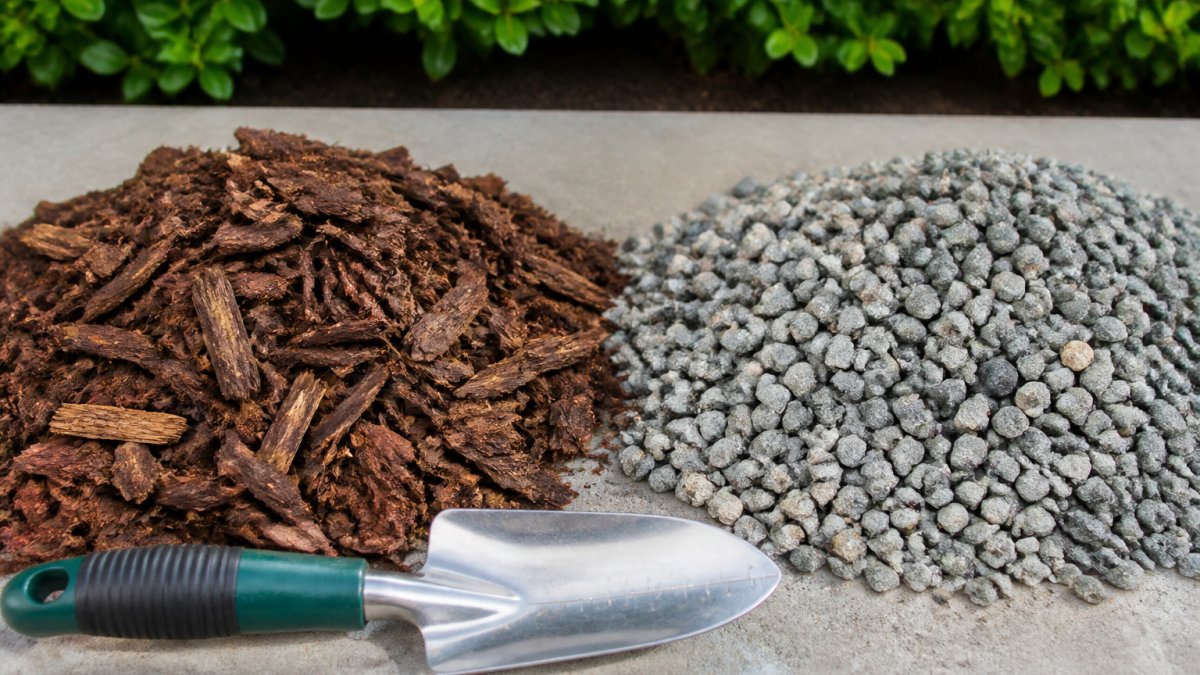
 comparison
Mulch vs. Gravel for Backyard Drainage
Table of Contents
- Mulch vs. Gravel for Backyard Drainage
- How Mulch Affects Drainage Around Your House
- Gravel for Landscaping Drainage: Water Permeability and Performance
- Best Mulch for Florida Landscaping: Material Types and Drainage Considerations
- Using Landscape Fabric Under Gravel for Optimal Drainage
- Maintenance Differences: Mulch vs. Gravel Over Time
- Choosing the Right Material for Your Backyard Scenario
- Frequently Asked Questions
Last Updated: October 21, 2026
Mulch vs. Gravel for Backyard Drainage
When it comes to mulch vs gravel drainage performance, the choice you make shapes how water moves through your landscape for years to come. At P&P Landscaping and Tree Service, we've worked with homeowners in the Landscape in North Miami area who struggle with standing water, poor soil conditions, and drainage problems that turn their yards into muddy patches after rain. The difference between these two materials isn't just aesthetic, it's functional, and understanding how each affects water movement is critical to protecting your home's foundation and keeping your landscape healthy.
Mulch and gravel each handle water differently. Mulch absorbs moisture and breaks down over time, gradually improving soil structure but requiring annual replacement. Gravel, by contrast, allows water to pass through quickly while remaining stable for years. Neither is universally "better", the right choice depends on your specific drainage needs, local climate, and long-term maintenance preferences.
This guide breaks down exactly how mulch vs gravel drainage works, when to use each material, and how to choose based on your backyard scenario.
How Mulch Affects Drainage Around Your House
Mulch acts as a sponge. When water hits your landscape, organic mulch absorbs it, holding moisture in the upper soil layers where plant roots can access it. This is excellent for plant health but problematic if your goal is moving water away from your foundation or managing standing water.
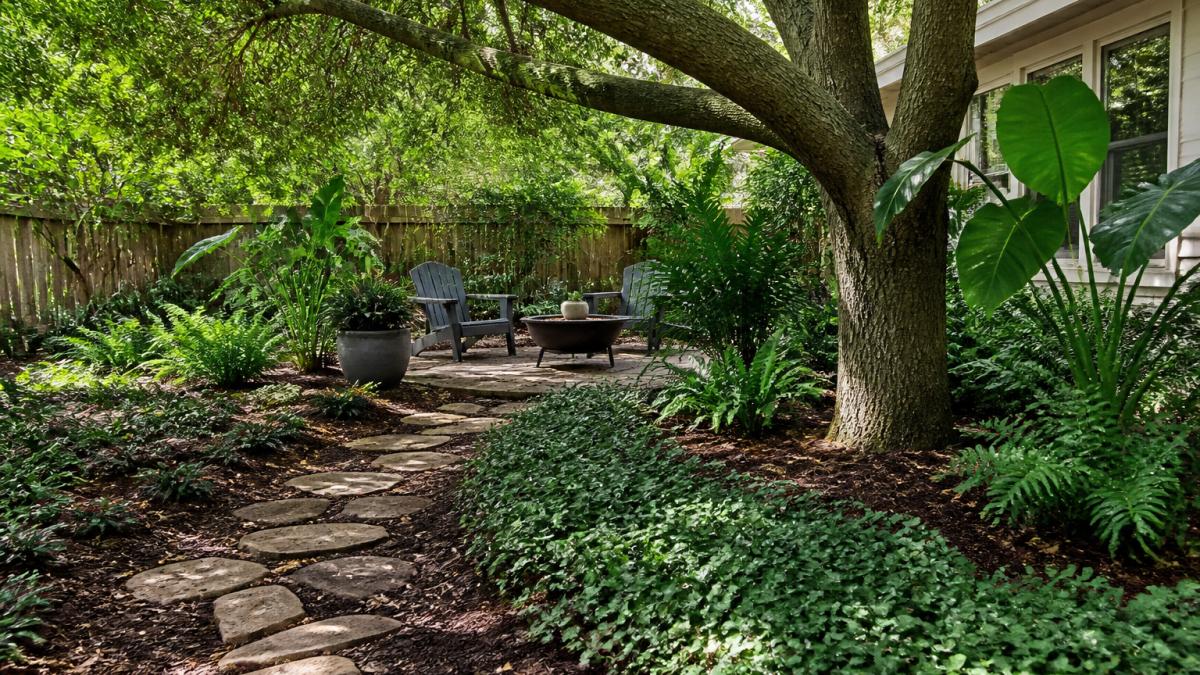
Organic mulch, whether bark chips, wood fiber, or compost, sits on top of soil and gradually decomposes. As it breaks down, it enriches the soil with organic matter, improving its structure and water-holding capacity over time. This is why mulch is ideal around trees, shrubs, and garden beds where you want to retain moisture and feed the plants.
However, lightweight mulch has a critical weakness in high-rainfall areas. During heavy downpours, mulch can float and wash away, leaving soil exposed and potentially clogging nearby drainage systems. Homeowners in Landscape in North Miami who've used mulch in drainage-prone areas often find it scattered across their yards after summer storms. This means you'll need to replenish it annually, sometimes twice yearly in our climate.
The real value of mulch for drainage comes indirectly. By improving soil structure over years, mulch helps soil absorb and drain water more naturally rather than creating runoff. But this benefit takes time and requires consistent replacement.
Gravel for Landscaping Drainage: Water Permeability and Performance
Gravel is fundamentally different from mulch. It doesn't absorb water, it lets water pass straight through it. This makes gravel the material of choice for managing drainage around your house, in problem areas, and anywhere water needs to move away quickly.
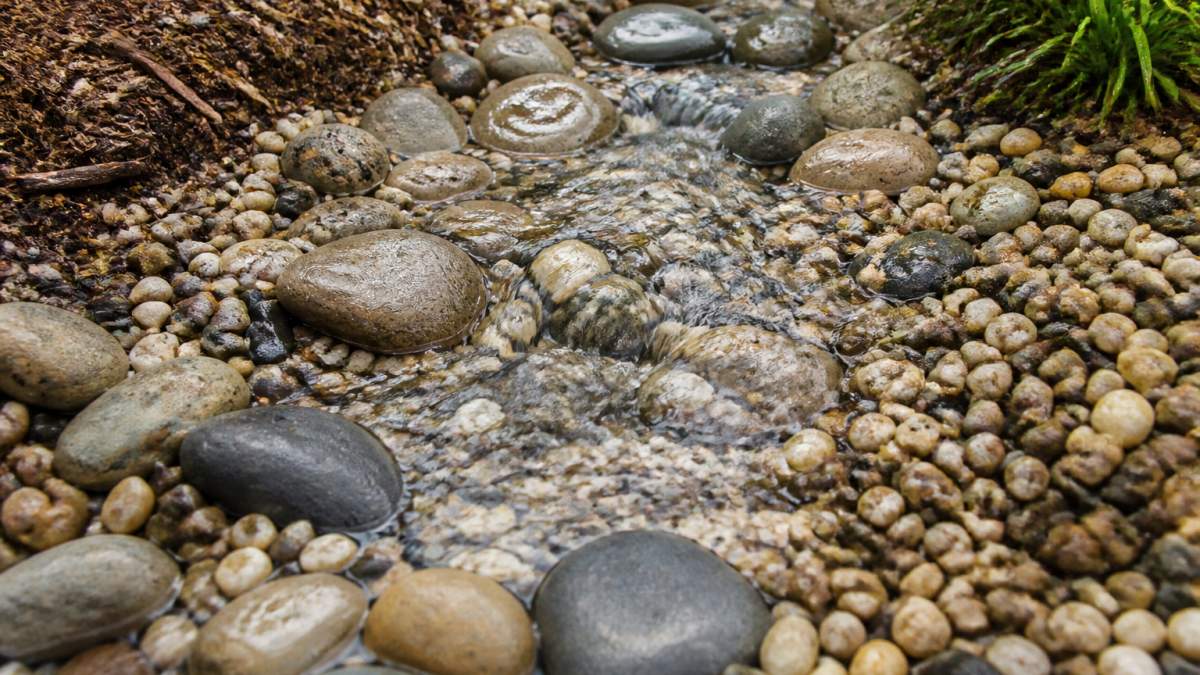
The water permeability of gravel depends on stone size and shape (Laboratory investigation of permeability property of natural gravels with different...). Pea gravel (smooth, rounded stones about the size of a pea) allows water to flow through while staying relatively stable underfoot. Larger river rock or crushed stone drains even faster but can shift more easily and may look less finished in a residential setting. Smaller crushed gravel drains quickly but compacts over time, reducing its effectiveness.
Gravel doesn't break down or wash away like mulch does. In Landscape in North Miami's humid subtropical climate, gravel maintains its drainage properties year after year. You won't need to replace it annually. This stability is why contractors and engineers use gravel in French drains, around foundation perimeters, and in any area where water management is critical.
The tradeoff is that gravel doesn't improve soil. It sits on top, providing no organic matter or nutrients. But if your primary goal is moving water away from your house or managing a wet spot in your yard, gravel's durability and permeability make it the superior choice.
Best Mulch for Florida Landscaping: Material Types and Drainage Considerations
If you're committed to using mulch in Landscape in North Miami, material choice matters significantly for drainage performance. Not all mulch is created equal.
Hardwood mulch (oak, cypress, or mixed hardwoods) breaks down slower than softwood mulch, giving you longer intervals between replacements. It also compacts less, maintaining some water permeability longer than softer materials. Cypress mulch is particularly popular in Florida because it resists decay in humid conditions and lasts longer than pine.
Bark mulch, shredded bark without wood fiber, is lighter and breaks down faster. It's excellent for plant beds where you want quick soil enrichment, but it's the worst choice for drainage because it floats easily and washes away in heavy rain.
Compost-based mulches are nutrient-rich but drain poorly and compact quickly, creating a barrier to water movement rather than facilitating it. Save these for established plant beds, not drainage zones.
For drainage-adjacent applications in Florida landscaping, hardwood mulch offers the best balance. It lasts 18-24 months before significant replacement is needed, maintains reasonable water permeability, and gradually improves soil. But understand that it's still a temporary solution. If drainage is your primary concern, mulch is a supporting player, not the main strategy.
Using Landscape Fabric Under Gravel for Optimal Drainage
Landscape fabric transforms gravel from a simple ground cover into a sophisticated drainage system. The fabric prevents soil from migrating up into the gravel while allowing water to pass through freely. This separation is crucial for long-term performance.
Without fabric, gravel and soil mix over time. Soil particles work their way up into the stone, reducing permeability and creating a compacted layer that defeats the purpose of using gravel. Weeds also establish more easily. Fabric solves both problems.
For drainage applications, use a permeable, non-woven landscape fabric, not the cheap woven kind that deteriorates in UV light. The fabric should allow water through while blocking soil migration. Lay it directly on existing soil, overlap seams by 6-12 inches, and secure it with landscape staples. Then spread your gravel on top.
In Landscape in North Miami, where heavy summer rains are routine, this combination, fabric plus gravel, is the gold standard for managing water around your house. The fabric keeps your drainage system working year after year. Without it, you're fighting a losing battle against soil creep and compaction.
Maintenance Differences: Mulch vs. Gravel Over Time
Maintenance separates these materials more than any other factor. Understanding the long-term commitment each requires is essential to making the right choice.
Mulch demands annual attention in Florida's climate. Summer heat and humidity accelerate decomposition. You'll notice mulch breaking down, compacting, and thinning throughout the year. Most homeowners need to add fresh mulch once yearly, sometimes twice if they're in a rainy microclimate or using softer materials. This means budget, scheduling, and labor, either your own or a contractor's.
Gravel requires almost no maintenance once installed correctly. You may need to rake it occasionally to redistribute stones that shift, and you might add a small amount to top up areas that settle. But you're not replacing the entire layer. Over a five-year period, the maintenance cost and effort for gravel is a fraction of what mulch demands.
There's a hidden cost to mulch replacement: every time you add new mulch, you're adding organic matter that will eventually decompose. This gradual process improves soil, but it also means your mulch layer gets thinner and thinner until you replace it. Gravel doesn't have this problem, it stays put.
For landlords managing rental properties in Broward and Miami-Dade counties, gravel often makes financial sense. The lower maintenance overhead means fewer service calls and less ongoing cost. For homeowners who enjoy landscaping work or want to continuously improve their soil, mulch's annual renewal cycle is part of the appeal.
Choosing the Right Material for Your Backyard Scenario
The decision between mulch vs gravel for backyard landscaping drainage comes down to your specific situation. Here's how to think through it.
Choose gravel if: You have standing water or wet spots that persist after rain. Your yard slopes toward your house. You're near a foundation and water management is critical. You want a low-maintenance, long-term solution. You're managing a rental property or commercial space where maintenance costs matter.
Choose mulch if: You're focused on plant health and soil improvement. You have established garden beds with shrubs and trees. You don't mind annual replacement. You want organic matter building up in your soil over time. Your drainage challenges are minor and you're primarily looking for aesthetic ground cover.
Consider a hybrid approach: Many landscaping professionals use both materials strategically. Gravel in drainage zones and around your house foundation. Mulch in plant beds and around trees. This gives you the drainage performance you need where it matters most, while still building soil health in areas where plants benefit from organic matter.
The climate in Landscape in North Miami also influences the decision. Our subtropical humidity and summer thunderstorms create real drainage challenges. Gravel handles these conditions more reliably than mulch. But gravel alone doesn't improve poor soil, and many homeowners here struggle with compacted, nutrient-poor soil that needs organic matter to support healthy plants.
A professional landscape assessment can identify which areas genuinely need drainage management and which are primarily aesthetic. This clarity makes the material choice obvious. At P&P Landscaping and Tree Service, we've helped homeowners solve drainage problems by using the right material in the right place.
The most common mistake is choosing based on cost alone. Gravel appears more expensive upfront, but over five years, the total cost of ownership, including labor for annual mulch replacement, often favors gravel in drainage-critical zones. Conversely, investing in quality mulch for your plant beds pays dividends in soil health and plant vigor over time.
Drainage problems don't resolve themselves, they compound. Standing water damages foundations, kills plants, and creates breeding grounds for mosquitoes. The right material choice, paired with proper installation, solves these problems for years.
P&P Landscaping and Tree Service specializes in transforming outdoor spaces with sustainable solutions tailored to your property's unique needs. Whether you need gravel installed with landscape fabric for critical drainage zones, mulch refreshed in your plant beds, or a complete assessment of your yard's water management, our team brings over two decades of experience to every project.
Frequently Asked Questions
Is mulch or gravel better for backyard drainage?
Gravel drains water faster and allows moisture to pass through to soil more readily, making it ideal for drainage-focused areas. Mulch absorbs and holds water, which benefits plant health but can trap moisture around foundations. For drainage-critical zones, gravel outperforms mulch. For plant beds where moisture retention helps growth, mulch is typically better. Your choice depends on the specific area and its drainage needs.
Can mulch cause drainage problems around a house?
Yes, mulch can trap moisture against your foundation if applied too thickly or too close to the house. When water cannot drain away, it can lead to soil erosion, foundation settling, or pest problems. Keep mulch 6 to 12 inches away from the foundation and limit depth to 2 to 3 inches to maintain proper drainage and protect your home's structural integrity.
What type of mulch is best for landscaping in Florida?
Hardwood mulch and cypress mulch are popular choices for Florida landscapes. Hardwood mulch breaks down slowly, providing longer-lasting coverage and moisture retention for plants. Cypress mulch resists decay and pests in humid conditions. Both work well in plant beds where drainage is less critical than plant health. Avoid dyed mulch in areas near water sources, and choose materials suited to Florida's heat and rainfall patterns.
How should landscape fabric be used under gravel?
Landscape fabric under gravel prevents soil from mixing with stones and reduces weed growth while still allowing water drainage. Lay the fabric flat over prepared soil, overlap seams by 6 inches, and secure it with landscape pins. Spread gravel 2 to 4 inches deep on top. This combination maintains drainage efficiency while minimizing maintenance. Avoid plastic sheeting, which blocks drainage entirely.