 comparison
Sod Installation vs Grass Seeding in North Miami
Table of Contents
- Sod Installation vs Grass Seeding in North Miami: The Short Answer
- Sod vs Seed: A Side-by-Side Comparison
- The Cost of Sod Installation in Florida
- Best Grass Types for Miami Lawns
- Lawn Preparation for Sod Installation
- How to Maintain New Sod in North Miami
- Why Sod Fails in North Miami Yards (and How to Avoid It)
- Conclusion
- Frequently Asked Questions
Last Updated: September 21, 2026
Sod Installation vs Grass Seeding in North Miami: The Short Answer
For most North Miami homeowners, sod installation is the faster and more reliable path to a finished lawn, while grass seeding costs less upfront but demands patience and consistent watering. This guide from P&P Landscaping and Tree Service breaks down cost, prep, maintenance, and the grass types that actually survive here.
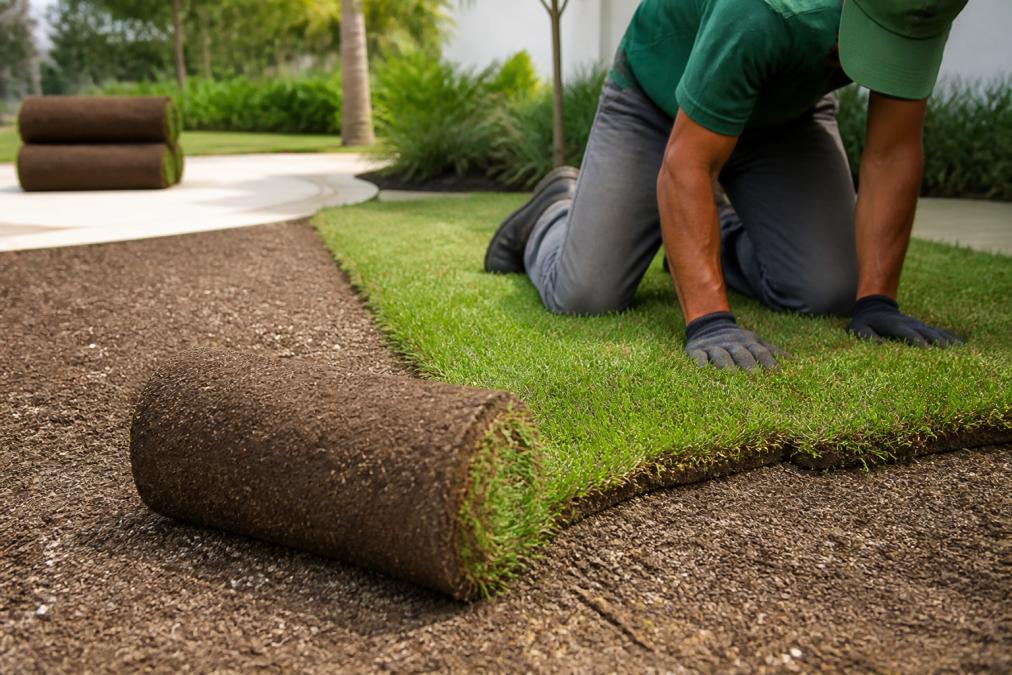
Sod installation is the practice of laying pre-grown turf strips onto prepared soil so the lawn is instantly green and rooted within weeks. Seeding spreads grass seed across bare ground and waits for germination, which takes longer and leaves the yard vulnerable to washout, weeds, and drought stress during that window.
Here's the part most guides gloss over: in South Florida's heat and sandy soil, the gap between these two methods is wider than it is almost anywhere else in the country.
Below, we'll show you exactly which method fits your yard, budget, and timeline, plus the mistakes that kill new lawns in this climate. Keep reading, because the prep work matters more than the choice itself.
Sod vs Seed: A Side-by-Side Comparison
Sod wins on speed and reliability; seeding wins on upfront cost and grass-type flexibility. The table below summarizes how each method stacks up for a typical North Miami yard.
| Factor | Sod Installation | Grass Seeding |
|---|---|---|
| Time to established lawn | Days to a few weeks | Several weeks to months |
| Upfront cost | Higher per square foot | Lower per square foot |
| Water demand | High for first 2-3 weeks | High until germination and beyond |
| Weed and washout risk | Low | Higher |
| Best for | Slopes, bare lots, fast turnarounds | Flat, patient, budget-focused projects |
Neither method is "better" in the abstract. The right pick depends on your timeline, slope, and how much watering you can realistically commit to.
Where Sod Wins
Slopes, bare lots, and rental turnovers all favor sod. Because sod arrives already grown, there's no germination window for heavy rain to wash seed downhill or for weeds to move in first.
For landlords in Broward County who need a property looking presentable fast, sod removes weeks of uncertainty. It also handles the sandy, fast-draining soils common across South Florida better than seed, which tends to shift before it roots.
Where Seeding Wins
Budget-conscious homeowners with flat, manageable yards often do well with seeding. The material cost is lower, and you can choose from a wider range of grass varieties.
The trade-off is time and attention. Seeding demands steady moisture and patience, and in North Miami's rainy season, a single downpour can undo weeks of progress. If you travel often or can't water daily, seeding is a gamble.
The Cost of Sod Installation in Florida
Pricing for sod installation depends on square footage, grass type, site prep, and access to the yard. There is no single flat rate, and any quote that ignores prep work is a red flag.
Most of the real cost sits in labor and preparation, not the turf itself. Grading, removing old growth, amending sandy soil, and hauling materials all add up. A yard with poor access or heavy existing vegetation costs more to clear.
For seeding, the material outlay is smaller, but you're trading money for time, water, and risk. If the seed fails, you pay twice.
Because P&P Landscaping and Tree Service quotes each project individually, the honest answer is that your price depends on your specific yard. Book an on-site estimate to get a real number rather than a guess.
Best Grass Types for Miami Lawns
The best grass types for Miami lawns are warm-season varieties bred for heat, humidity, and sandy soil. St. Augustine, Bahia, and Bermuda are the common choices, and each suits a different situation.
St. Augustine is the standard for shady South Florida yards and handles foot traffic well. Bahia is tougher and more drought-tolerant, which makes it a practical pick for larger or lower-maintenance areas. Bermuda thrives in full sun and recovers quickly, though it needs more care.
The University of Florida IFAS turfgrass guidance recommends matching grass type to your yard's sun exposure and soil before you buy a single pallet or bag. Getting this wrong is the most expensive mistake in the whole process.
Lawn Preparation for Sod Installation
Proper lawn preparation is the difference between sod that roots and sod that dies in two weeks. Skip it, and no amount of watering will save the lawn.
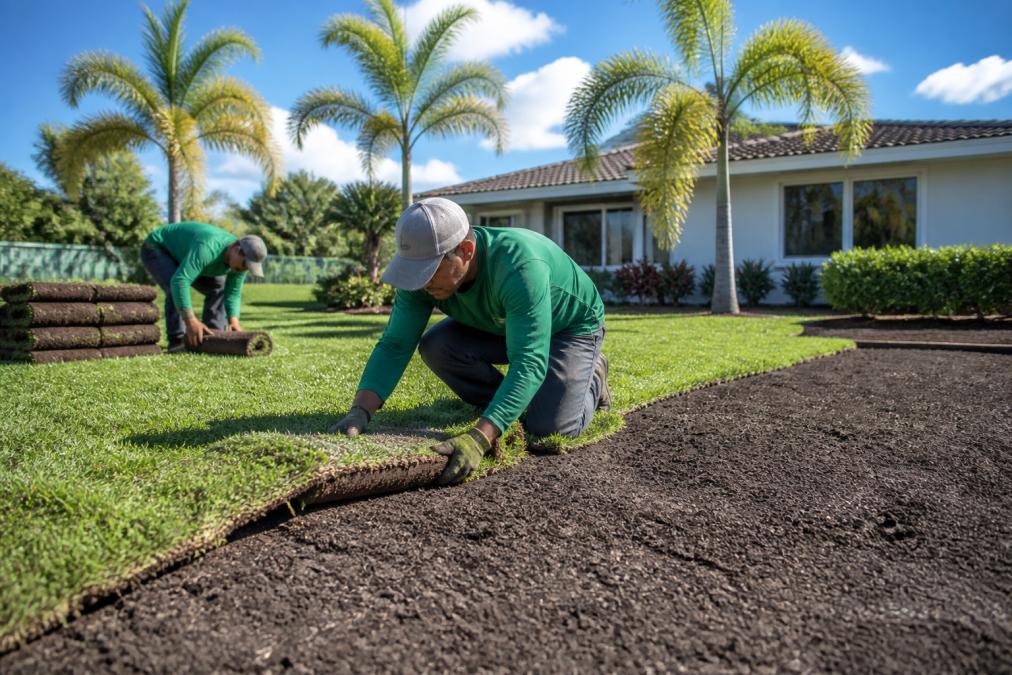
Here's the sequence that actually works:
- Clear all old grass, weeds, and debris
- Test and amend the soil, since South Florida's sandy ground holds little nutrients
- Grade the yard so water drains away from the house
- Settle and level the surface before laying turf
- Water the soil lightly right before installation
What most guides miss is the soil amendment step. In North Miami, skipping it is why so many DIY sod jobs fail. The turf roots into hungry sand and never establishes.
How to Maintain New Sod in North Miami
Caring for new sod in North Miami means watering deeply and often for the first few weeks, then tapering off as roots take hold. The first 14 days decide everything.
Water daily for the first week or two, keeping the soil under the turf consistently moist but not flooded. After that, reduce frequency and water deeper to push roots downward. Once the sod resists a gentle tug, it has rooted and you can shift to a normal schedule.
Avoid heavy foot traffic and mowing until the lawn is established. When you do mow, set the blade high for the first few cuts.
Why Sod Fails in North Miami Yards (and How to Avoid It)
Most sod failures in North Miami trace back to three causes: bad prep, wrong grass type, and watering mistakes. Fix those, and the lawn usually thrives.
The region's sandy soil drains fast, so nutrients leach away quickly. That's why soil amendment matters more here than in heavier-soil climates. The intense sun and sudden downpours add stress that a poorly prepped lawn can't absorb.
Rental property owners often see this firsthand: sod installed without prep looks great for a week, then browns out. The fix isn't more water. It's doing the groundwork correctly the first time.
If you've had sod die on you before, the problem was almost certainly preparation, not the turf. A contractor who skips grading and soil work will deliver the same result again.
Conclusion
Choosing between sod and seed comes down to your timeline, budget, and how much daily watering you can commit to. For most North Miami yards, sod delivers a reliable lawn far faster, but only when the prep is done right.
That's where P&P Landscaping and Tree Service comes in. As a family-owned business with over two decades of experience, we handle everything from soil prep and grading to professional sod installation and ongoing tree care. We tailor each project to your yard's specific soil and sun conditions, then see it through from consultation to clean-up.
Get started with P&P Landscaping and Tree Service and book an on-site estimate for a lawn built to last in South Florida.
Frequently Asked Questions
Is it better to sod or seed a lawn in South Florida?
For most North Miami yards, sod gives you a finished lawn in weeks instead of months, and it holds up better against heavy rain and foot traffic. Seeding costs less upfront, but South Florida's heat, humidity, and weed pressure make it harder to establish. If you want fast results and a dense lawn, sod installation is usually the safer choice. If budget is the main concern and you can wait through a full growing season, seeding can work with careful watering.
Can you grow grass from seed in Miami's climate?
Yes, but only certain grasses and only in the right window. Bahiagrass and Bermudagrass are the two types most often recommended for Florida lawns from seed, according to UF/IFAS Gardening Solutions. Seed needs consistent moisture and warm soil to germinate, and heavy summer downpours or dry spells can wipe out a new seeding. Many homeowners find sod more reliable because it arrives already grown.
What is the cost difference between sodding and seeding in Florida?
Seeding is generally the cheaper option per square foot, while sod installation costs more because you are buying mature grass plus the labor to lay it. LawnStarter lists seeding at roughly $0.09 to $0.15 per square foot and sod at $1.65 or more per square foot, though final pricing depends on grass type, yard size, site prep, and access. For an accurate number on your property, book an on-site estimate with a local installer.
How long does it take for sod to establish in North Miami?
New sod typically knits into the soil within two to three weeks if it is watered correctly, and it is usually ready for normal use in about a month. The first 10 to 14 days matter most: keep the sod damp, avoid walking on it, and water in the early morning. After roots take hold, you can taper watering and mow once the grass reaches about a third taller than your target height.