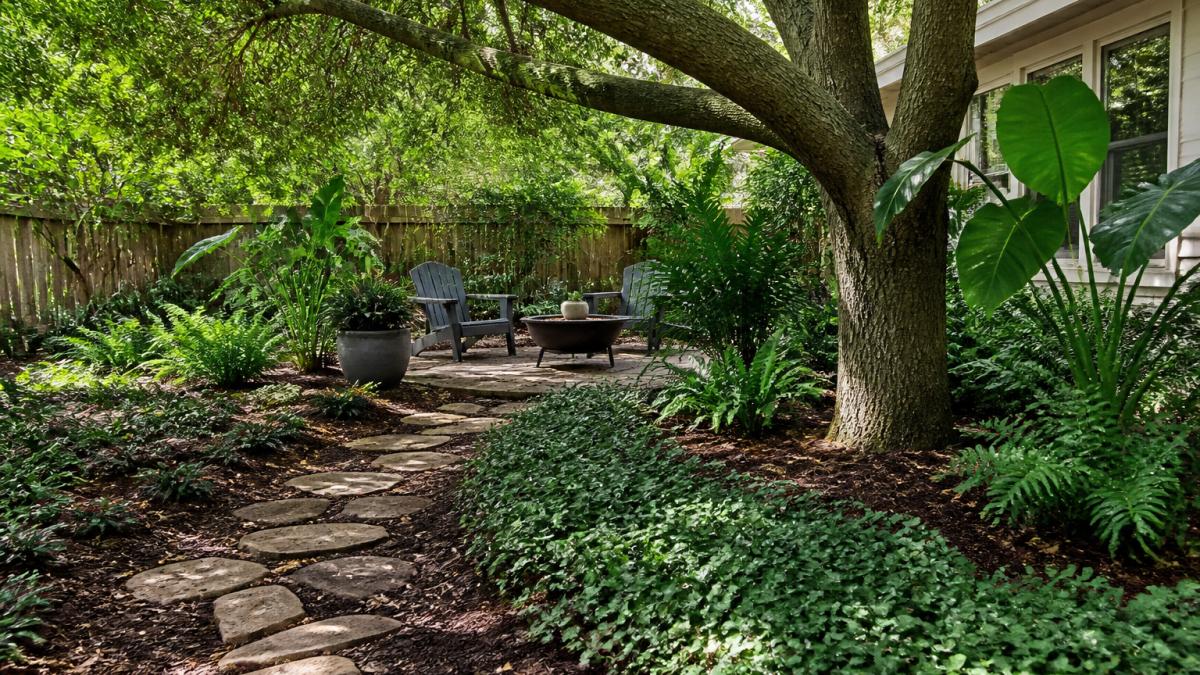
 comparison
Sod Alternatives for Shaded Florida Backyards
Table of Contents
- Why Traditional Sod Fails in Shaded Backyards
- Shade-Tolerant Ground Cover Florida Options
- Florida Native Groundcovers for Shade
- Ground Cover for Full Shade in Miami
- Low-Maintenance Lawn Alternatives Florida
- Comparison: Sod Alternatives at a Glance
- How to Choose the Right Alternative for Your Yard
- Frequently Asked Questions
Last Updated: October 18, 2026
Why Traditional Sod Fails in Shaded Backyards
Traditional sod struggles in shade because most grass varieties need direct sunlight to photosynthesize and thrive. In shaded areas, sod receives insufficient light, weakens over time, and eventually dies.
Shade creates a hostile environment for conventional lawn grass. The combination of reduced light, moisture retention issues, and poor air circulation creates conditions where grass simply cannot compete. What makes this frustrating is that many property owners don't realize their yard's shade problem until after the sod is already installed and failing.
The real issue isn't the sod itself, it's the mismatch between the plant and the environment. Standard turf grass varieties were bred for open, sunny conditions. When you plant them under tree canopies or in areas blocked by structures, you're fighting against biology. This is where sod alternatives for shaded Florida backyards become not just an option, but the smarter choice.
Shade-Tolerant Ground Cover Florida Options
Shade-tolerant groundcovers designed for Florida's climate offer reliable alternatives to struggling sod. These plants evolved to thrive in low-light conditions and handle the humidity and rainfall patterns of the region.
Mondo Grass
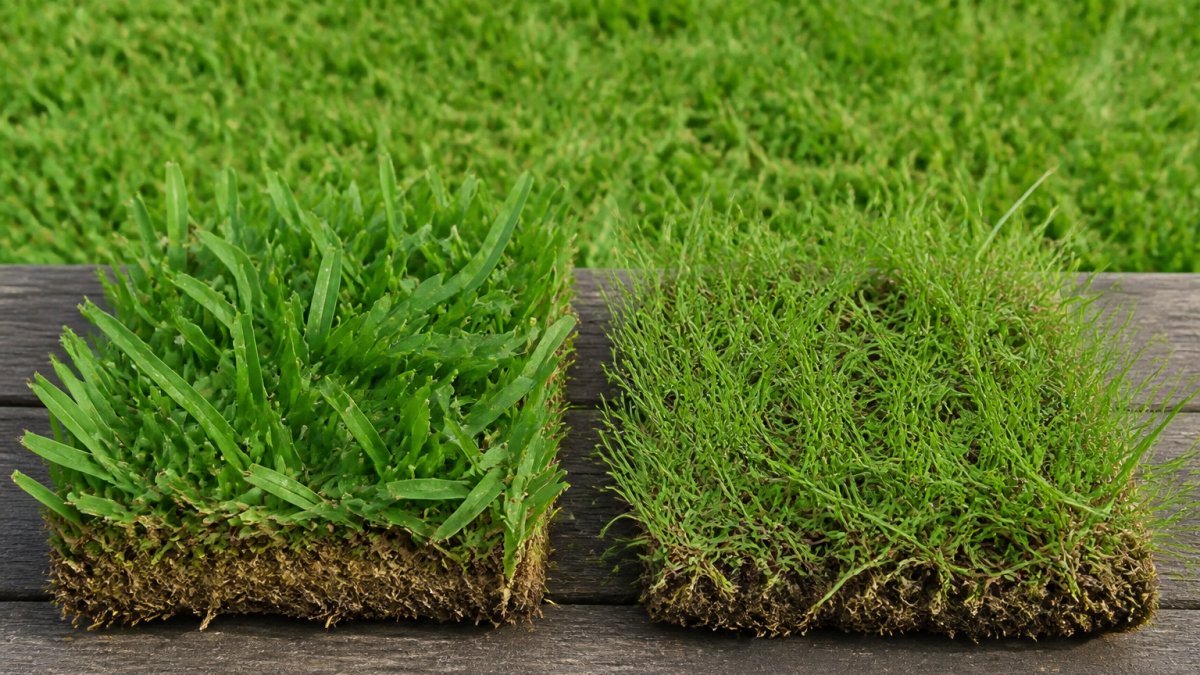
Mondo grass is a fine-textured groundcover that tolerates shade exceptionally well. This plant creates a dense, carpet-like appearance that resembles turf without requiring the intense light demands of traditional grass.
Mondo grass adapts to various soil conditions and spreads slowly to fill in bare areas. It handles foot traffic reasonably well, though it's not as durable as sod for high-traffic zones. The plant reaches about 6-8 inches in height and requires minimal maintenance once established.
For homeowners in shaded areas of Landscape in North Miami, mondo grass offers a low-fuss alternative. It doesn't need frequent mowing, tolerates poor drainage better than sod, and stays green year-round in Florida's climate. The main trade-off is slower establishment, expect 6-12 months for full coverage compared to instant coverage from sod.
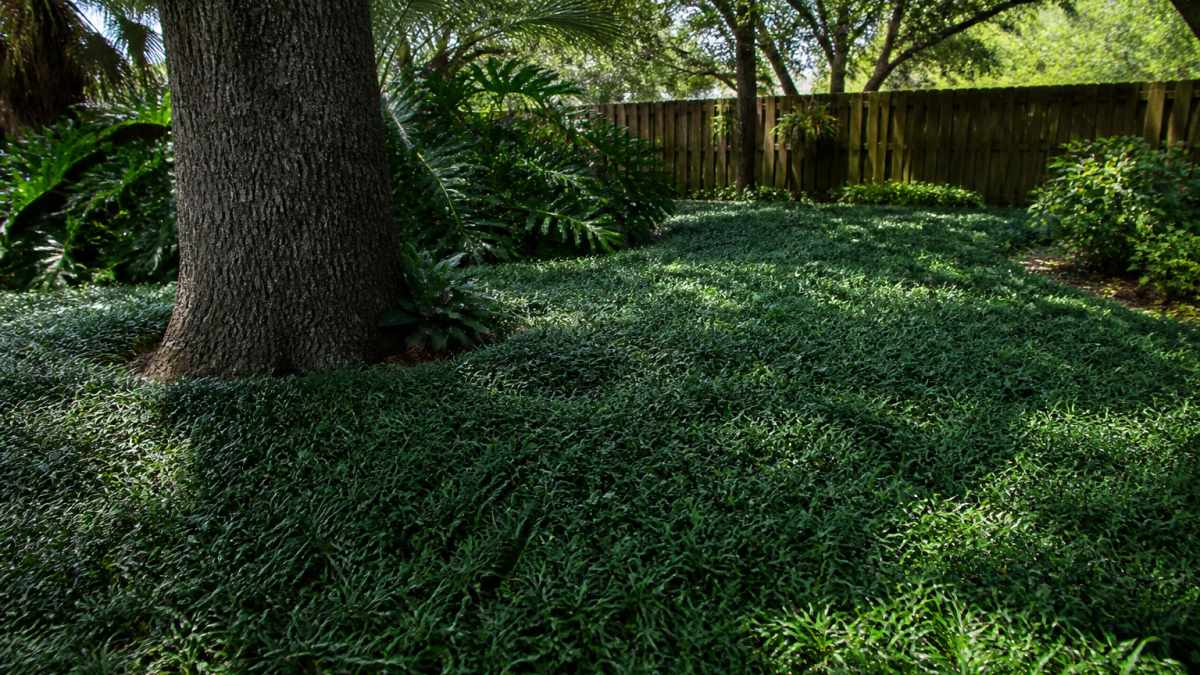
Asiatic Jasmine
Asiatic jasmine is an aggressive, fast-spreading groundcover that thrives in shade. This vine-like plant creates dense coverage quickly and handles the humidity and rainfall of Florida's subtropical climate well.
The plant grows 6-12 inches tall and spreads horizontally to fill spaces. Asiatic jasmine tolerates poor soil, compacted areas, and various moisture levels. It's particularly effective in problem spots where other plants struggle.
One consideration: Asiatic jasmine can become invasive if not managed. Regular trimming keeps it contained and prevents it from climbing trees or structures. For the right application, a defined shaded area that needs reliable coverage, it's one of the fastest solutions available.
Florida Native Groundcovers for Shade
Native plants adapted to Florida's specific conditions often outperform introduced species. These groundcovers have evolved to handle local soil chemistry, rainfall patterns, and pest pressures.
Perennial Peanut
Perennial peanut is a low-growing native legume that fixes nitrogen in the soil, actually improving soil quality over time. This plant reaches 12-18 inches and spreads to create a soft, attractive groundcover.
The plant tolerates shade reasonably well and handles both wet and dry conditions. Perennial peanut provides a softer appearance than grass and creates a more naturalistic look. It's particularly useful in areas where you want to avoid the manicured lawn aesthetic.
Maintenance is minimal, occasional mowing keeps it neat, but it doesn't require the frequent cutting that sod demands. For property owners in Landscape in North Miami seeking a low-maintenance, shade-tolerant option, perennial peanut offers genuine sustainability benefits.
Sunshine Mimosa
Sunshine mimosa is a native groundcover that thrives in shaded conditions and poor soils. This plant spreads via runners and creates a delicate, feathery appearance with small yellow flowers.
The plant tolerates drought once established and handles compacted, sandy soils that defeat other groundcovers. Sunshine mimosa is particularly effective in transitional zones between full shade and partial sun. It requires minimal fertilizer and no pesticides in most Florida landscapes.
The main limitation is that sunshine mimosa doesn't handle heavy foot traffic. For decorative groundcover in shaded areas where aesthetics matter more than durability, it's an excellent native choice.
Ground Cover for Full Shade in Miami
Full shade presents the most challenging condition for any groundcover. In Miami's climate, areas receiving less than 2 hours of direct sun need specially adapted plants.
Mondo grass and Asiatic jasmine are your most reliable options for true full shade. Both tolerate the dense shade created by mature tree canopies and multi-story structures. In these conditions, native options like perennial peanut and sunshine mimosa may struggle.
The key to success in full shade is accepting that growth will be slower and coverage less dense than in partial shade. This is normal and expected. Rather than fighting the shade, work with it by selecting plants that genuinely prefer low-light conditions.
For properties in Landscape in North Miami with mature oak and palm trees creating dense canopies, starting with mondo grass or Asiatic jasmine can be effective.
Low-Maintenance Lawn Alternatives Florida
Homeowners often choose groundcover alternatives specifically to reduce maintenance demands. Traditional sod requires weekly mowing, regular watering, fertilization, and pest management. Shade-tolerant groundcovers eliminate most of these tasks.
Mondo grass requires occasional trimming but no regular mowing. Asiatic jasmine needs periodic cutting to prevent overgrowth but thrives with minimal intervention. Perennial peanut and sunshine mimosa are naturally low-maintenance once established.
The shift from sod to groundcover typically reduces water usage by 30-50%. You eliminate the need for fungicide applications, which are common in shaded sod situations where moisture promotes disease. Fertilizer requirements drop dramatically since native plants are adapted to local soil conditions.
For rental properties and commercial spaces in Landscape in North Miami where maintenance budgets are tight, groundcover alternatives deliver significant cost savings. The initial investment is comparable to sod installation, but long-term maintenance costs are substantially lower.
Comparison: Sod Alternatives at a Glance
| Groundcover Option | Shade Tolerance | Maintenance Level | Establishment Time | Best For |
|---|---|---|---|---|
| Mondo Grass | Excellent (full shade) | Low | 6-12 months | Decorative areas, slow coverage acceptable |
| Asiatic Jasmine | Excellent (full shade) | Low-Medium | 3-6 months | Fast coverage, defined spaces |
| Perennial Peanut | Good (partial shade) | Low | 4-8 months | Improving soil quality, natural look |
| Sunshine Mimosa | Good (partial shade) | Very Low | 3-6 months | Native landscaping, minimal maintenance |
| Traditional Sod | Poor (shade) | High | Immediate | Sunny areas only |
How to Choose the Right Alternative for Your Yard
Start by assessing your specific conditions. Measure how many hours of direct sunlight your yard receives. Check soil drainage by observing how water moves after rain. Identify any existing trees or structures creating the shade.
Next, consider your maintenance tolerance. If you want to eliminate mowing entirely, mondo grass and Asiatic jasmine are better choices than perennial peanut. If you're willing to do occasional maintenance for a more natural appearance, native options work well.
Think about the visual aesthetic you want. Mondo grass creates a lawn-like appearance without being actual grass. Asiatic jasmine offers a softer, vine-like look. Perennial peanut and sunshine mimosa provide more naturalistic, meadow-like effects.
Finally, consider foot traffic patterns. Mondo grass and Asiatic jasmine handle moderate traffic. Perennial peanut tolerates some walking. Sunshine mimosa is best in areas where people rarely walk.
For homeowners in Landscape in North Miami uncertain about which option suits their specific yard, professional assessment is invaluable. P&P Landscaping and Tree Service provides on-site estimates that evaluate your shade conditions, soil quality, and usage patterns to recommend the best alternative for your situation.
Choosing the right groundcover for shaded areas transforms a frustrating landscape challenge into an opportunity for a lower-maintenance, more sustainable yard. The wrong plant in the wrong conditions wastes time and money. The right choice, matched to your specific shade level and maintenance preferences, delivers years of reliable coverage. P&P Landscaping and Tree Service specializes in evaluating shaded yards and installing groundcover solutions that actually thrive. Our team brings over two decades of experience matching plants to conditions and executing seamless installations. Book an on-site estimate now and discover which sod alternative is right for your shaded Florida backyard.
Frequently Asked Questions
What grows well in full shade in South Florida?
Several sod alternatives thrive in full shade across South Florida. Mondo grass, Asiatic jasmine, perennial peanut, and sunshine mimosa are all proven options. The best choice depends on your specific site conditions, foot traffic, and maintenance preferences. Native groundcovers like sunshine mimosa often require less fertilizer and water once established, making them ideal for low-maintenance landscapes. Consult with a local landscaper to assess your yard's soil, drainage, and light conditions before selecting a groundcover.
Can traditional grass grow in a shaded backyard in North Miami?
Most conventional turf grasses struggle in shade, especially in North Miami's humid climate with dense tree canopy. Shade-tolerant sod alternatives perform much better because they're adapted to limited sunlight and Florida's specific growing conditions. Traditional sod in heavily shaded areas often becomes thin, develops disease, and dies back within weeks. Switching to a shade-tolerant ground cover eliminates these problems and creates a healthier, more sustainable landscape that actually thrives under trees.
Are native groundcovers a low-maintenance alternative to sod in Florida?
Yes, Florida native groundcovers like sunshine mimosa and perennial peanut are excellent low-maintenance alternatives to sod. Once established, native plants require less water, fertilizer, and pest management because they're naturally adapted to the local climate and soil. They also support native wildlife and reduce your landscaping workload over time. However, they do need proper installation and initial establishment care to get started successfully. Professional installation ensures they're planted correctly and set up for long-term success.
What is the best ground cover for a shady Florida yard?
The best ground cover depends on your specific conditions: shade level, soil type, foot traffic, and maintenance tolerance. Mondo grass works well for moderate shade with light foot traffic. Asiatic jasmine handles both shade and occasional foot traffic. Native options like perennial peanut and sunshine mimosa excel in full shade and require minimal upkeep. A landscape professional can evaluate your yard's unique conditions and recommend the most suitable option for your situation.