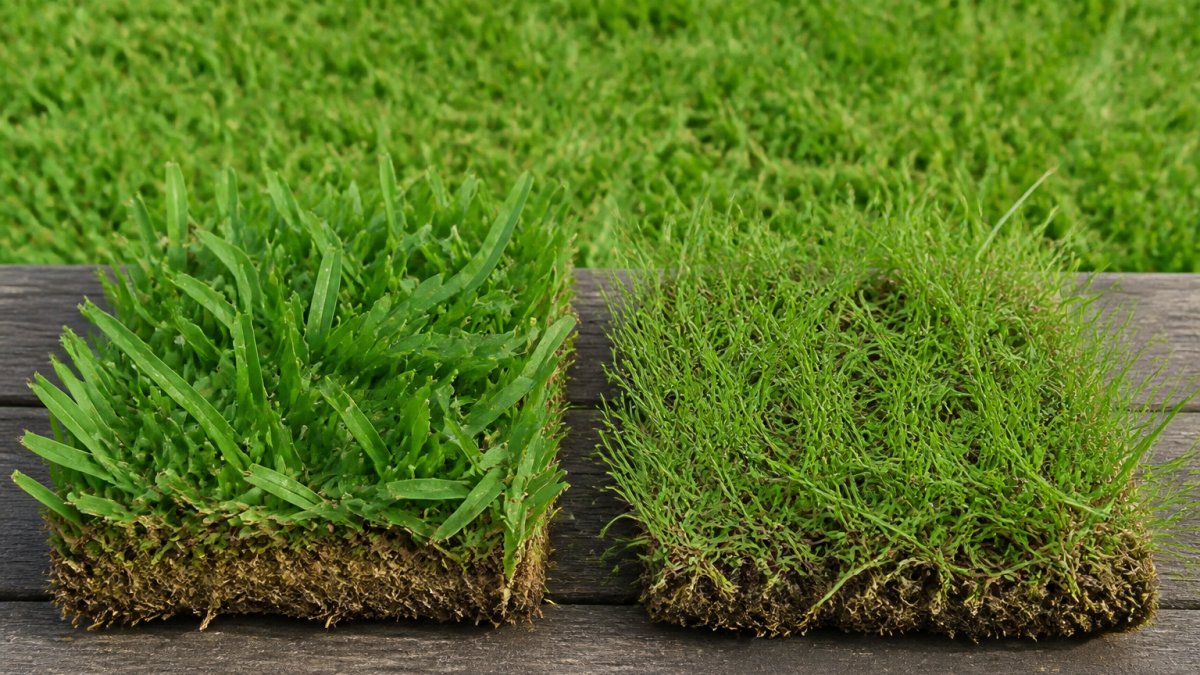
 comparison
St. Augustine vs Bahia Grass for Florida Lawns
Table of Contents
- St. Augustine vs Bahia Grass: Side-by-Side Comparison
- St. Augustine Grass Pros and Cons in Florida
- Bahia Grass Pros and Cons in Florida
- Bahia vs. St. Augustine Sod Cost and Installation
- Best Grass for South Florida Lawns: Choosing Your Type
- Maintenance and Care Differences
- Frequently Asked Questions
Last Updated: October 12, 2026
St. Augustine vs Bahia Grass: Side-by-Side Comparison
When choosing between St. Augustine vs Bahia grass for Florida lawns, you're making a decision that will shape your yard's appearance, maintenance demands, and long-term success. At P&P Landscaping and Tree Service, we've helped countless homeowners and property managers in the Miami-Dade and Broward County areas make this choice based on their specific conditions, budget, and lifestyle.
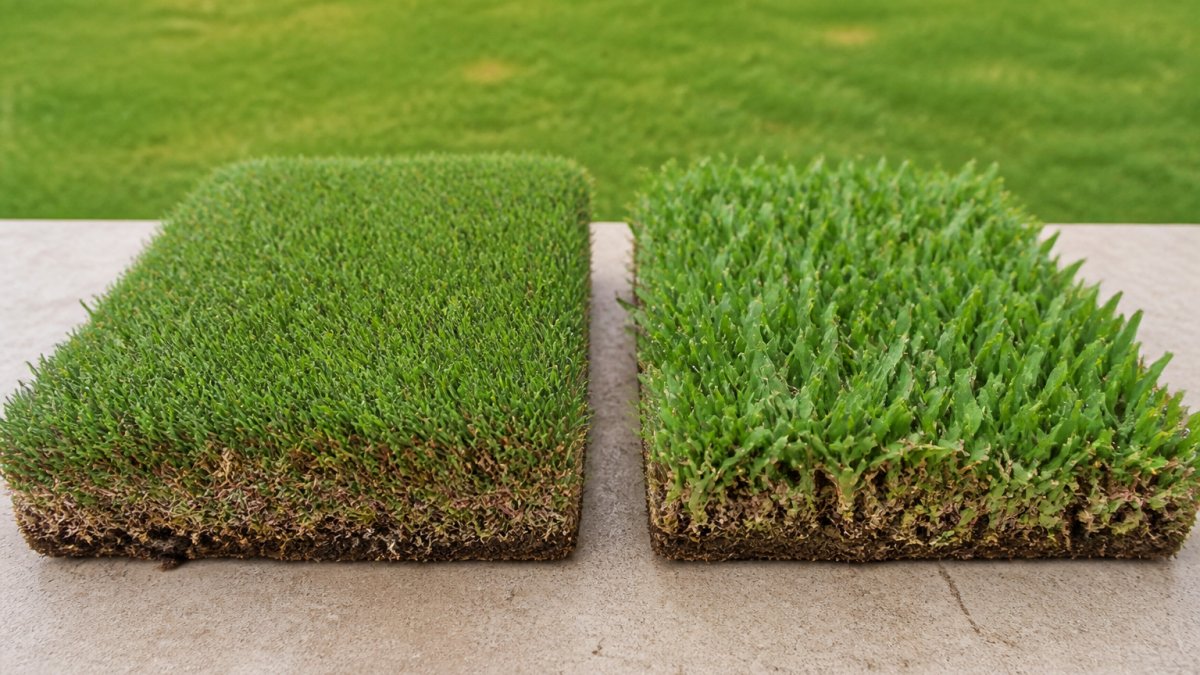
St. Augustine grass is Florida's most popular turf type. It thrives in shade, handles salt spray near coastal areas, and creates a dense, attractive lawn. Bahia grass is the budget-friendly alternative. It tolerates poor soil, requires less fertilizer, and demands less frequent mowing. The choice between them isn't about which is "better", it's about which matches your property's reality.
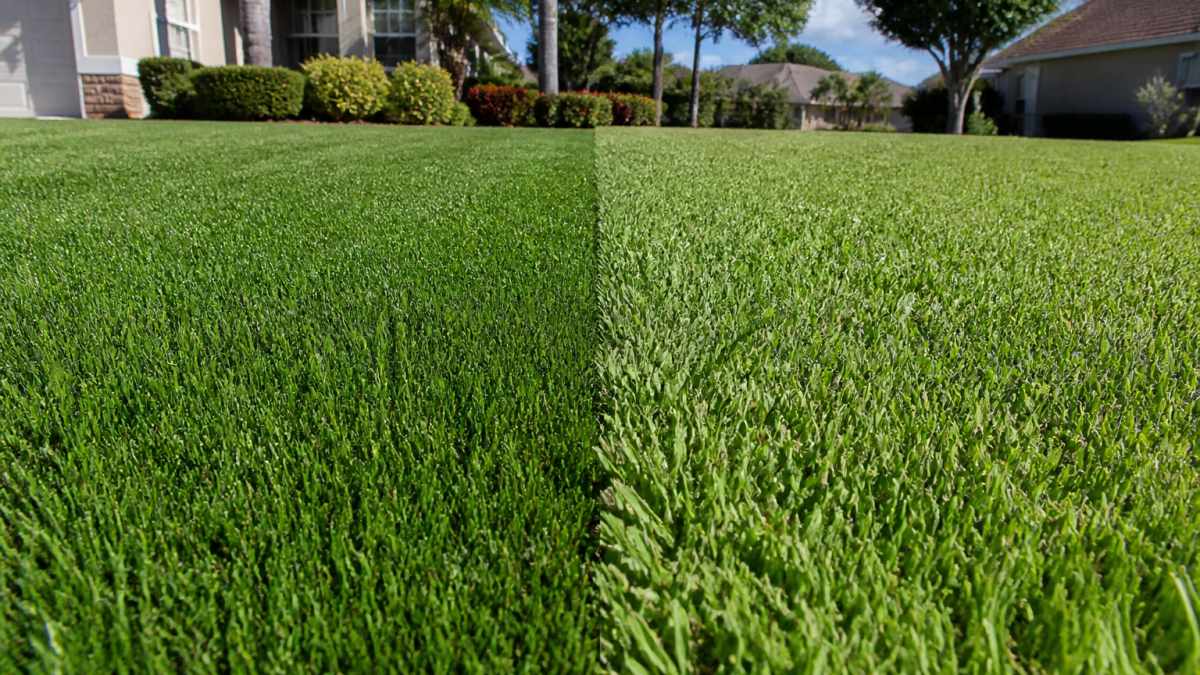
Here's how they compare across the factors that actually matter: appearance, shade tolerance, salt resistance, soil requirements, and maintenance intensity.
St. Augustine Grass Pros and Cons in Florida
St. Augustine delivers the aesthetic that most Florida homeowners want. The grass produces a thick, attractive carpet with fine texture and a rich green color. It handles shade exceptionally well, a major advantage if your property has oak trees, buildings, or structures that cast shadows.
The real strengths: St. Augustine tolerates partial shade where other grasses fail. It resists salt spray, making it ideal for coastal properties in Broward County. The dense growth crowds out weeds naturally, reducing your herbicide needs. For neighborhoods where curb appeal matters, St. Augustine looks noticeably better than Bahia.
The honest limitations: St. Augustine demands more fertilizer than Bahia. It needs regular mowing, typically every 7-10 days during the growing season. The thatch layer (dead grass buildup) requires periodic dethatching to prevent disease. It's also more expensive to install and maintain. If your soil is sandy and infertile, St. Augustine will struggle unless you amend the soil first.
For homeowners committed to lawn care and willing to invest in regular maintenance, St. Augustine delivers results. For hands-off property management, it becomes a burden.
Bahia Grass Pros and Cons in Florida
Bahia grass is the survivor. It thrives in sandy, infertile soil where St. Augustine would decline. It requires less fertilizer, less frequent mowing, and less water than St. Augustine. For landlords managing rental properties or homeowners who travel frequently, Bahia reduces your maintenance load significantly.
The real strengths: Bahia tolerates poor soil conditions. It needs mowing less often, typically every 10-14 days. It requires minimal fertilizer. If your property has sandy soil or drainage problems, Bahia will establish and persist where other grasses falter. Installation costs are lower than St. Augustine.
The honest limitations: Bahia produces a coarser texture and lighter green color. Most homeowners find it less attractive than St. Augustine. It doesn't handle shade well, plant it in full sun. Salt tolerance is lower than St. Augustine, so coastal properties should avoid it. The seed heads (the tall, thin stalks) can look unkempt if mowing is delayed.
:::pro-tip Bahia's seed heads emerge quickly and make the lawn look unmaintained even when you're mowing regularly. If appearance matters, plan for 10-day mowing cycles, not 14-day ones.
Bahia makes practical sense for rental properties in Broward County where maintenance budgets are tight. It's also the right choice if your soil is genuinely poor and you're not prepared to amend it.
Bahia vs. St. Augustine Sod Cost and Installation
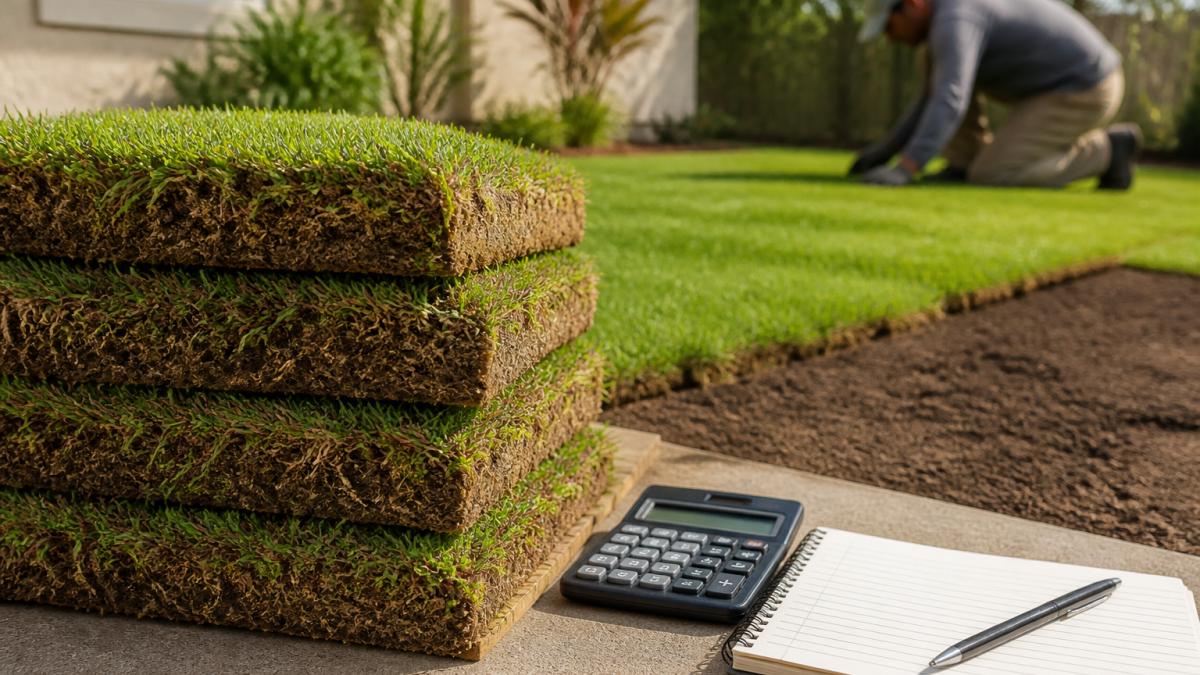
The cost difference between St. Augustine vs Bahia grass for Florida lawns shows up immediately at installation. Delivered pricing varies based on distance and order size.
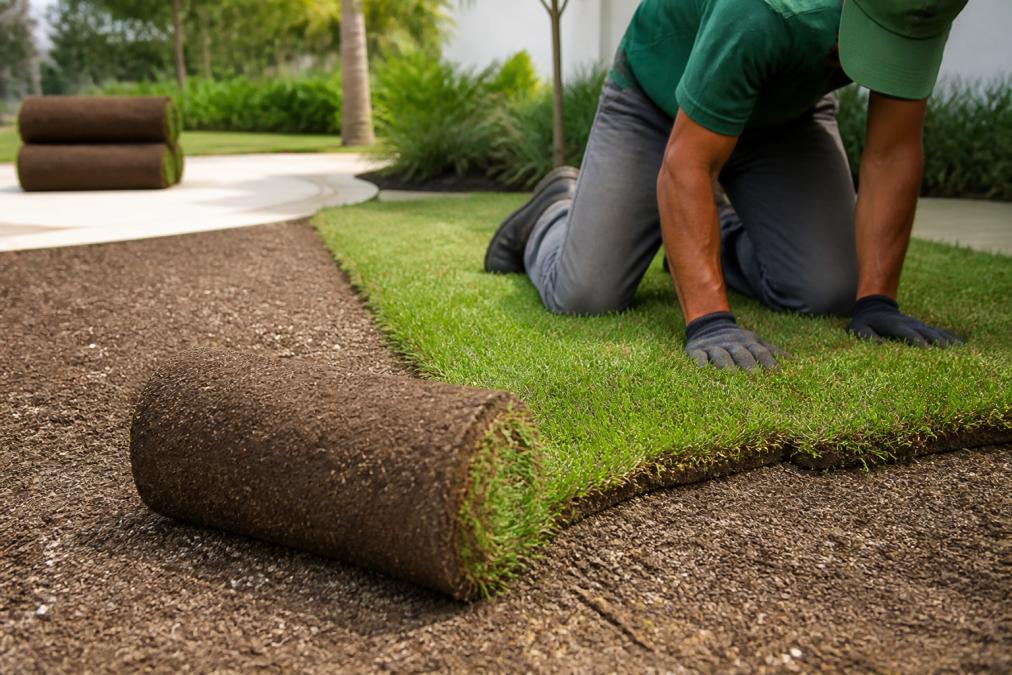
Installation labor costs follow a similar pattern, St. Augustine typically costs more to install because the sod is heavier and requires more careful handling.
Beyond the initial purchase, your ongoing costs diverge. St. Augustine requires more frequent professional maintenance or equipment investment. Bahia's lower fertilizer and mowing demands reduce annual expenses. For property owners managing budgets tightly, Bahia's lower total cost of ownership (initial install plus maintenance) often tips the decision.
Don't assume "cheaper" means lower quality. For the right situation, Bahia is the smarter financial choice, not a compromise.
Best Grass for South Florida Lawns: Choosing Your Type
The best grass for South Florida lawns depends on three factors: your soil condition, your shade situation, and your maintenance commitment.
Choose St. Augustine if: Your property has decent soil, receives moderate to heavy shade, sits near the coast, or you're willing to invest in regular maintenance. Homeowners in Miami-Dade County neighborhoods where landscape appearance influences property values typically choose St. Augustine.
Choose Bahia if: Your soil is sandy and infertile, your property is in full sun, you're managing a rental property, or you want minimal maintenance demands. Landlords managing properties in Landscape in North Miami frequently choose Bahia for its resilience and low upkeep.
The decision also depends on your property's history. If previous grass died despite your efforts, your soil may be the problem. Bahia tolerates poor soil; St. Augustine doesn't. Fixing the soil takes time and money, so Bahia becomes the practical choice.
For properties with good soil, shade, and an owner who cares about landscape appearance, St. Augustine wins. For everything else, Bahia's practicality usually prevails.
Maintenance and Care Differences
The maintenance gap between St. Augustine vs Bahia grass for Florida lawns shows up every week during the growing season. St. Augustine demands regular attention; Bahia tolerates neglect.
Mowing: St. Augustine needs mowing every 7-10 days during active growth. Bahia tolerates 10-14 day cycles. That's one fewer mowing per month, meaningful if you're doing it yourself or paying for service.
Fertilization: St. Augustine benefits from regular feeding (every 6-8 weeks during growing season). Bahia needs fertilizer far less frequently. This reduces both material costs and application expenses.
Irrigation: St. Augustine prefers consistent moisture. Bahia tolerates drier conditions. In drought periods, Bahia requires less supplemental watering.
Disease and pest pressure: St. Augustine's dense growth can trap moisture and encourage fungal disease, requiring occasional fungicide applications. Bahia's coarser structure sheds moisture more readily and experiences fewer disease issues.
Dethatching: St. Augustine accumulates thatch (dead grass layer) and benefits from dethatching every 2-3 years. Bahia's slower growth means less thatch buildup.
For property owners in Landscape in North Miami managing multiple properties or with limited time, Bahia's lower maintenance demands often justify the less attractive appearance. P&P Landscaping and Tree Service can handle both types of maintenance.
Choosing between St. Augustine vs Bahia grass for Florida lawns isn't complicated once you accept that appearance and ease of care are often at odds. St. Augustine delivers the premium look but demands regular investment. Bahia handles neglect and poor conditions but won't win any landscape beauty contests. Book an on-site estimate with P&P Landscaping and Tree Service, and we'll evaluate your soil, shade, and maintenance capacity to recommend the grass type that matches your reality. We've installed both types across Miami-Dade and Broward County for over two decades.
Frequently Asked Questions
Is St. Augustine or Bahia grass better for Florida lawns?
The better choice depends on your specific conditions. St. Augustine grass is Florida's most popular turf and tolerates shade well, making it ideal for yards with trees or buildings. Bahia grass is more budget-friendly and thrives in sandy, infertile soils with less maintenance. For most homeowners in South Florida, St. Augustine offers better appearance and performance, but Bahia works well if you have poor soil and want lower upkeep.
Which grass needs less water, St. Augustine or Bahia?
Bahia grass requires less irrigation than St. Augustine. Bahia is more drought-tolerant and adapts better to Florida's sandy soils with minimal supplemental watering once established. St. Augustine needs more frequent watering, especially during dry periods, to maintain its dense, attractive appearance.
How much does sod installation cost for each grass type?
Installation costs vary based on yard size, soil preparation, and local labor rates. For an accurate quote tailored to your property, contact a local landscaping professional.
Which grass is easier to maintain in South Florida?
Bahia grass requires less frequent mowing, less fertilizer, and less irrigation than St. Augustine, making it the lower-maintenance option. However, St. Augustine offers better shade tolerance and a more attractive appearance, which many homeowners prefer despite higher upkeep demands. Your choice depends on whether you prioritize ease of care or curb appeal.