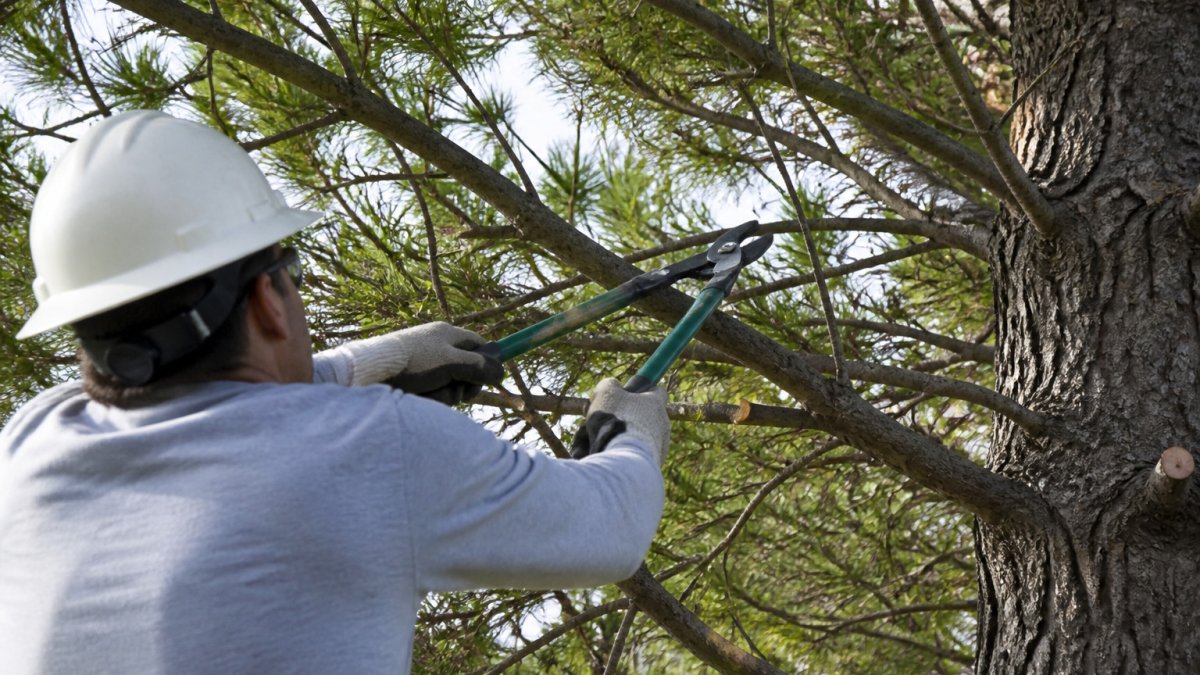
 how-to
7 Benefits of Interior Thinning for Healthier Trees
Last Updated: October 29, 2026
Quick Summary
Interior thinning removes dead, crossing, and weak branches from inside a tree's canopy while keeping its outer shape. It improves airflow, lets light reach inner leaves, strengthens the tree's structure, and lowers the risk of limbs failing in storms.
- Removes dead, crossing, and weak branches from inside the canopy.
- Opens gaps so air can move through dense crowns and reduce trapped humidity.
- Removing weak or crossing limbs helps prevent future splits in the tree.
- Remove dead or weak limbs before storm season, since they are most likely to fall.
- Industry guidance generally recommends removing no more than about a quarter of living canopy in one season.
Table of Contents
- What Interior Thinning Is and How It Differs From Other Pruning
- Better Airflow Through the Canopy
- Benefits of Tree Pruning Through Thinning
- Lower Storm Damage Risk and Wind Resistance
- How Much Can You Prune a Tree Without Harming It
- Tree Thinning vs. Crown Reduction: Choosing the Right Cut
- Tree Pruning Mistakes That Undo the Benefits
- Scheduling Your Interior Thinning With a Professional in North Miami
- Frequently Asked Questions
Interior thinning removes dead, crossing, and weak branches from the inside of a tree's canopy while leaving the outer shape mostly intact. For homeowners in North Miami, where humidity and summer storms put steady stress on trees, that cut can make a real difference.
Below, we cover the main benefits and explain why each one matters for the tree. You'll also see how thinning compares to other cuts and the mistakes that can cancel out its gains.
What Interior Thinning Is and How It Differs From Other Pruning
Interior thinning is the removal of select branches from within the canopy to open up the tree's center. It is not topping, and it is not a full crown reduction.
Here is how it differs from common pruning styles:
- Interior thinning: Removes inner branches, keeps the natural outer shape
- Crown reduction: Shortens the whole canopy to a smaller size
- Topping: Cuts off the top of the tree, which often harms it
Better Airflow Through the Canopy
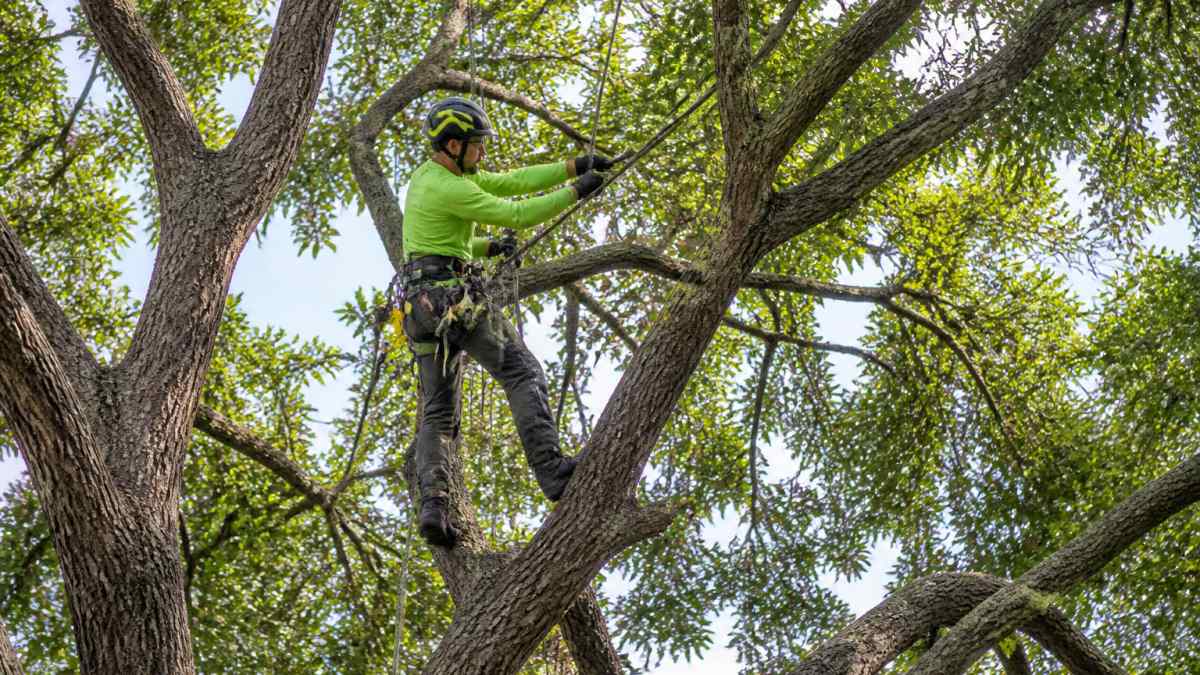
Dense canopies trap humidity. Thinning opens gaps so air can move through the crown.
Watch out: thinning too heavily can expose bark to sunscald on trees that are not used to direct light.
Benefits of Tree Pruning Through Thinning
Pruning done well can deliver several gains at once. Thinning a canopy can improve a tree's structure and long-term health, and can reduce the chance of limbs failing later.
Key benefits include:
- Healthier growth: Light reaches inner leaves that would otherwise die off
- Stronger structure: Removing weak or crossing limbs prevents future splits
- Fewer pest problems: Open canopies give insects and disease less shelter
Lower Storm Damage Risk and Wind Resistance
Wind pushes hardest on dense, heavy crowns. Thinning lets wind pass through rather than catching on every branch.
This matters during hurricane season. Remove dead or weak limbs before storms arrive, since those are the pieces most likely to break and fall. Our tree trimming for storm safety how-to guide walks you through the steps.
Keep in mind that thinning is not a substitute for removing a tree that is already unsafe. A structurally failing tree may need more than pruning.
How Much Can You Prune a Tree Without Harming It
Industry guidance generally recommends removing no more than about a quarter of a tree's living canopy in one season (Trimming Maple Tree).
Many homeowners wonder how often trees should be pruned. For details on timing, read our guide on how often trees should be professionally pruned.
Tree Thinning vs. Crown Reduction: Choosing the Right Cut
The right choice depends on what the tree needs. Thinning keeps the natural shape and improves airflow. Crown reduction shrinks the tree's overall size, often to clear power lines or fit a smaller yard.
Use thinning when:
- The tree is healthy but crowded
- You want to keep its natural form
- Storm season is coming
Use crown reduction when:
- The tree has outgrown its space
- Overhead lines or structures are at risk
Crown reduction done poorly can create weak regrowth, so it should be planned carefully. Read whether tree crown cleaning is worth the cost to compare it with thinning.
The two main cuts differ in what they aim to do, so here is how to choose between them.
| Option | Best for | Key difference |
|---|---|---|
| Interior thinning | Healthy but crowded trees | Keeps the natural outer shape and improves airflow |
| Crown reduction | Trees that have outgrown their space | Shortens the whole canopy to a smaller size |
| Topping | Not recommended | Cuts off the top of the tree and often harms it |
Tree Pruning Mistakes That Undo the Benefits
Good intentions can still backfire. These errors are common:
- Removing too much at once: Stresses the tree and invites disease
- Making flush cuts: Damages the branch collar, which the tree needs to seal the wound
- Pruning at the wrong time: Cutting during active stress periods slows recovery
- Leaving stubs: Creates entry points for decay
We explain the warning signs and how to respond in our article on how over-pruning damages trees.
Scheduling Your Interior Thinning With a Professional in North Miami
Thinning works best when a trained crew handles it.
P&P Landscaping and Tree Service serves homeowners and commercial properties in Miami-Dade and Broward County. To get current pricing, contact us for an on-site estimate. Pricing depends on the size of the tree, the amount of work, and access to the site, so please contact us for a quote. Schedule an on-site tree assessment to see what your trees need before storm season.
Frequently Asked Questions
What is interior thinning in tree pruning?
Interior thinning removes selected live branches from the inside of a tree's canopy, leaving the outer branch structure intact. The cuts are made at the branch collar on smaller interior limbs that rub, cross, or crowd other branches. Because the tree's silhouette stays the same, the canopy looks natural while light and air move more freely through the crown. It is a selective technique, so the arborist removes only the wood that adds weight or congestion without reducing the overall size of the tree.
Does interior thinning help improve airflow through a tree?
Yes. Dense interior growth traps humid, still air, which can encourage fungal problems and slow the drying of leaves after rain. Removing crossing and crowded interior branches opens paths for wind to pass through the crown. Better airflow reduces the moisture that favors disease and helps the tree shed water more quickly. Results depend on the species and how dense the canopy was to begin with, so an arborist can estimate how much opening is appropriate.
Can thinning a tree's canopy reduce the risk of storm damage?
Thinning can lower wind load, which is the force wind exerts on a tree's foliage and branches. When interior weight is reduced, wind is less likely to build pressure in the crown and tear limbs away. Removing weak, crossing, or heavy interior branches also eliminates potential failure points before a storm arrives. Thinning does not make a tree storm-proof, and a poorly structured tree can still fail, so a certified arborist should assess the tree's overall condition.
How much of a tree's canopy can be removed safely?
Industry guidance generally recommends removing only a modest share of a tree's live canopy in a single season. Heavier removal stresses the tree and can trigger sprouting or decline. The exact limit depends on species, age, health, and the goal of the work. A certified arborist can determine what a specific tree can tolerate.
Trees in North Miami face heavy rain, humidity, and storms every year. Interior thinning, done at the right time and in the right amount, keeps them healthier and safer. Contact P&P Landscaping and Tree Service today to book an on-site estimate and get your trees ready for the season ahead.