 blog
blog
Is Tree Crown Cleaning Worth the Cost?
Table of Contents
- What Tree Crown Cleaning Actually Does
- Signs a Tree Needs Pruning
- Understanding Tree Crown Cleaning Cost
- Crown Cleaning vs. Crown Raising: Which Do You Need?
- The Real Value: Safety, Health, and Long-Term Savings
- Why a Tree Inspection by an Arborist Matters
- How to Know If a Quote Is Fair
- Frequently Asked Questions
Last Updated: October 12, 2026
What Tree Crown Cleaning Actually Does
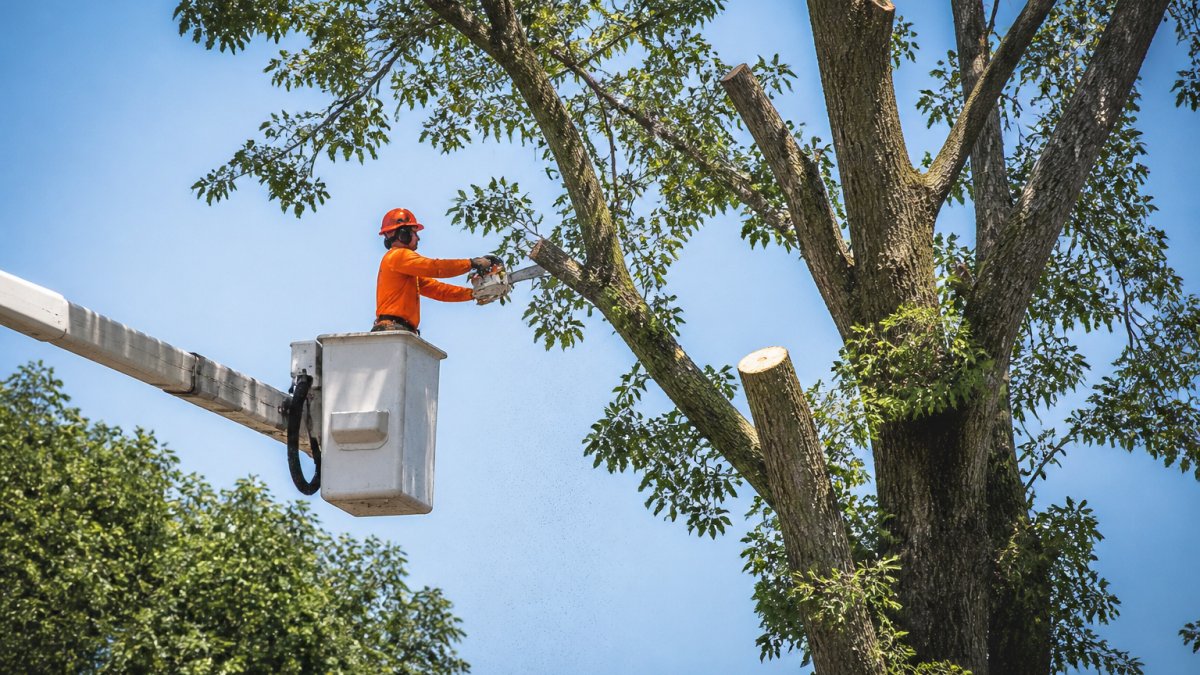
Tree crown cleaning removes dead, diseased, and crossing branches from the upper canopy of a tree. It's not the same as topping or radical pruning, the goal is to thin the crown while preserving the tree's natural shape and health.
When done correctly, crown cleaning improves air circulation through the canopy, reduces weight on stressed limbs, and removes branches that could fail during storms. For property owners in the area, this matters because healthy trees are safer trees, and safer trees mean fewer emergency calls and expensive removals down the road.
At P&P Landscaping and Tree Service, we've seen firsthand how crown cleaning transforms trees that look overgrown and stressed into balanced, vigorous specimens. The work is precise, it requires understanding which branches to remove and which to keep, and that's where professional arborists earn their value.
The real question isn't whether crown cleaning does something. It's whether is tree crown cleaning worth the cost in your specific situation.
Signs a Tree Needs Pruning
A tree needs crown cleaning when branches are crossing or rubbing against each other, when dead wood is visible in the canopy, or when the crown has become so dense that sunlight barely penetrates to the lower limbs. These aren't cosmetic issues, they're signs the tree is struggling.
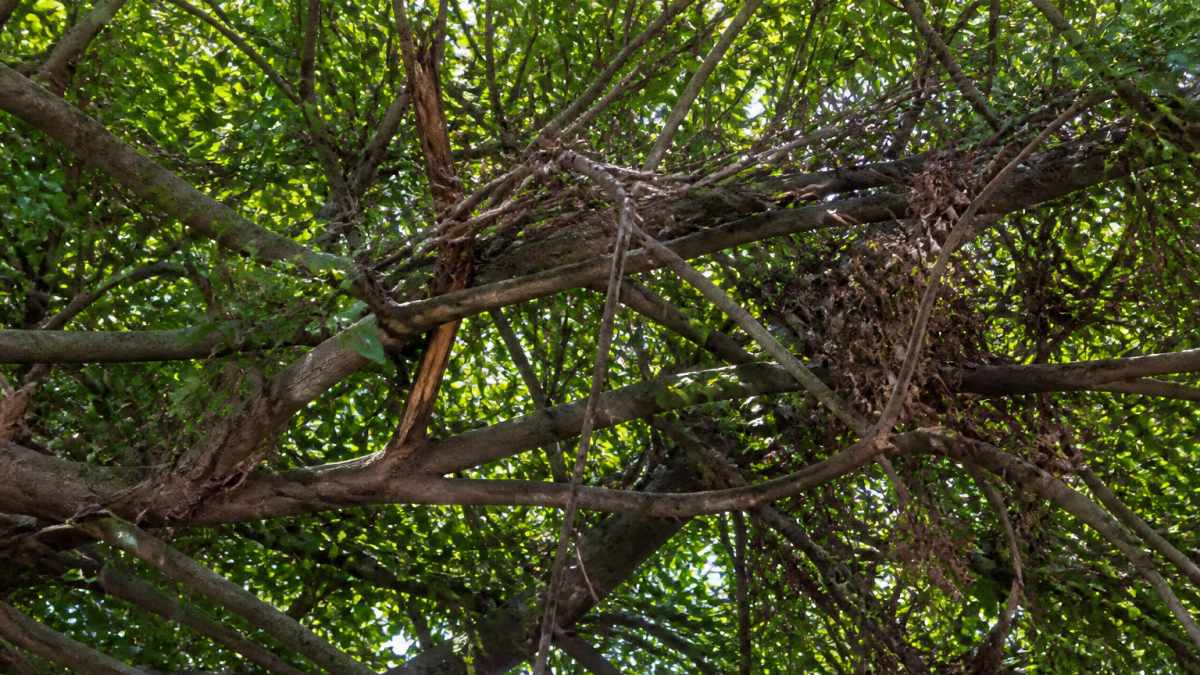
Other warning signs include branches that hang over structures or power lines, visible disease or pest damage on limbs, or a canopy so heavy that the tree leans under its own weight. Storm damage is another clear trigger, broken branches and torn bark create entry points for disease and insect damage that crown cleaning can address before problems spiral.
One thing most homeowners miss: trees that look fine from the ground often have serious issues higher up. Dead branches hidden inside the canopy, competing limbs that weaken each other, or branches growing inward instead of outward, none of these are obvious until an arborist climbs up or uses a bucket truck to inspect the crown closely.
Understanding Tree Crown Cleaning Cost
The cost of crown cleaning depends on tree size, canopy density, height, and how much deadwood needs removal. A small ornamental tree might cost less than a large oak with a thick, overgrown crown. Accessibility matters too, a tree in an open yard is simpler than one wedged between a house and fence.
Most professionals charge based on the work involved, not a flat rate. That's why getting multiple quotes from qualified arborists gives you a realistic picture of what the job actually requires. When you call P&P Landscaping and Tree Service for an on-site estimate, you're not just getting a price, you're getting a professional assessment of whether the tree actually needs the work.
The trap many homeowners fall into is comparing crown cleaning costs to other tree services without understanding what they're paying for. Topping a tree (cutting it back severely) costs less upfront but damages the tree long-term. Crown cleaning costs more but preserves tree health and structure. It's not an apples-to-apples comparison.
Crown Cleaning vs. Crown Raising: Which Do You Need?
Crown cleaning removes dead and diseased wood from throughout the canopy. Crown raising removes lower branches to increase clearance above ground, useful when branches hang over a roof, driveway, or walkway.
Many trees need both. A tree with low branches that block sightlines and a dense, overgrown upper canopy benefits from raising the crown and thinning it at the same time. But they're different jobs with different purposes.
Crown raising is usually the faster, more affordable option because you're simply removing branches below a certain height. Crown cleaning requires more judgment, the arborist has to decide which branches throughout the crown stay and which go, based on the tree's structure, health, and your goals.
If your main concern is clearance, crown raising solves it. If the tree looks stressed, has visible deadwood, or you want it to grow stronger and healthier, crown cleaning is the right choice. A qualified arborist can recommend which approach fits your tree and your budget.
The Real Value: Safety, Health, and Long-Term Savings
Here's where crown cleaning makes financial sense: a healthy tree is a tree that doesn't fail. Dead branches don't fall on your roof. Diseased limbs don't spread infection through the canopy. A well-structured crown sheds wind and snow load more effectively, which means fewer emergency calls after storms.
Trees that receive regular crown cleaning live longer, grow stronger, and require fewer interventions over time. That's the real savings, avoiding the thousand-dollar removal that becomes necessary when a tree is neglected until it's dangerous.
For property owners in the area managing rental properties or commercial spaces, healthy trees also mean better curb appeal and fewer liability concerns. A tree that looks overgrown and neglected signals poor property maintenance to tenants and visitors. A tree with a clean, balanced crown signals care and attention.
The cost of crown cleaning amortized over 10 or 20 years is modest compared to the cost of removing a dead tree or dealing with storm damage. That's not emotional reasoning, it's basic property math.
Why a Tree Inspection by an Arborist Matters
An arborist can see what you can't. They climb or use equipment to inspect the crown closely, identify disease or pest damage, assess structural integrity, and spot dead branches hidden inside the canopy. They can also spot early signs of problems that will become expensive if ignored.
A proper tree inspection by an arborist isn't just a sales tactic. It's a diagnostic tool that tells you whether crown cleaning is actually necessary, how much work the tree needs, and whether other issues (disease, pest infestation, structural problems) require attention.
When you get an inspection from a qualified professional, you're paying for expertise that prevents costly mistakes. Removing a healthy branch damages the tree. Missing a diseased branch lets infection spread. An arborist knows the difference.
How to Know If a Quote Is Fair
A fair quote comes from a qualified arborist who has inspected the tree in person. Red flags include quotes given over the phone without seeing the tree, prices that seem unusually low or unusually high compared to other estimates, or contractors who can't explain what work they're actually doing.
Ask the arborist to explain which branches will be removed and why. A professional should be able to walk you through their reasoning. They should also mention any other issues they spotted during inspection, disease, pest damage, structural concerns, so you understand the full picture.
Check credentials too. Certified arborists have training and ongoing education in tree care (ISA Certified Arborist). They're insured and bonded. They can answer questions about the work confidently because they know the science behind it.
When you call P&P Landscaping and Tree Service for an estimate, you get a professional assessment from someone with over two decades of experience in tree care. That experience matters when deciding whether crown cleaning is worth the cost for your specific trees.
| Factor | What to Look For | Why It Matters |
|---|---|---|
| On-site inspection | Arborist visits the tree in person | Prevents quotes based on guesswork |
| Detailed explanation | Professional explains which branches and why | Shows they understand the work |
| Credentials | Certified arborist, insurance, references | Ensures competence and accountability |
| Multiple quotes | Compare 2-3 estimates from qualified pros | Reveals fair market pricing |
| Written scope | Clear description of work to be done | Protects both you and the contractor |
Is tree crown cleaning worth the cost? The answer depends on your tree's condition, your safety concerns, and your long-term property goals. A tree with significant deadwood, disease, or structural problems benefits from professional crown cleaning. A healthy tree that just needs light thinning might not.
The best way to know is to get a professional inspection. At P&P Landscaping and Tree Service, we assess your trees, explain what they need, and help you make decisions that protect your property and your budget. Book an on-site estimate with our team and get a clear picture of whether crown cleaning makes sense for your landscape.
Frequently Asked Questions
What is the difference between crown cleaning and crown raising?
Crown cleaning removes dead, diseased, and crossing branches from within the canopy to improve health and structure. Crown raising removes lower branches to increase clearance above ground, driveways, or structures. Crown cleaning focuses on the tree's internal health; crown raising focuses on clearance. Many properties need one or the other, sometimes both. An arborist can determine which your tree requires.
How often should trees be inspected or pruned?
Most healthy trees benefit from inspection every 2-3 years, with pruning performed as needed based on growth patterns and condition. Young trees may need annual pruning to establish strong structure. Trees showing signs of stress, disease, or storm damage should be inspected immediately. Regular inspections catch problems early, preventing costly removals later and extending tree life significantly.
Can crown cleaning prevent branches from falling?
Crown cleaning removes dead and weakened branches that are most likely to fail, reducing the risk of falling limbs. However, it is not a guarantee against all branch failure, especially during severe weather or hurricanes. Proper pruning removes hazardous wood and improves overall tree structure, making trees more resilient. Combined with regular inspection, crown cleaning substantially lowers the risk of dangerous branch drop.
How can I tell if a tree service quote is reasonable?
A fair quote accounts for tree size, species, condition, access difficulty, and debris removal. Reputable companies provide written estimates and explain what work is included. Be cautious of quotes that seem unusually low or high without justification. Ask for references and verify the company is licensed and insured. Getting multiple quotes helps you understand the market, but the cheapest option is not always the best value for your tree's health and safety.