 How-to
Yard Leveling Permits in North Miami: What Homeowners Need to Know
Last Updated: November 24, 2026
Quick Summary
Yard leveling permits in North Miami are often required, but not always. Small regrades within your existing lawn usually need no approval, while moving significant amounts of soil, changing drainage, or reshaping a yard near a property line typically triggers a building permit review.
- Cosmetic smoothing of a low spot with a few wheelbarrows of fill is usually exempt.
- North Miami, North Miami Beach, and unincorporated Miami-Dade are separate permitting authorities with separate building departments.
- Pull the parcel record from the Miami-Dade County Property Appraiser to confirm which building department has authority.
- Prepare a site plan, grading plan with elevations, and drainage plan before you submit.
- Starting work while a review is pending is treated as unpermitted construction.
Table of Contents
- Does Yard Leveling Require a Permit in North Miami?
- Yard Grading Permit Requirements: What Triggers a Review
- North Miami vs. North Miami Beach vs. Miami-Dade County: Which Jurisdiction Applies?
- Backyard Drainage and Grading: Why Water Flow Decides Your Permit
- Required Documents and Application Steps for Grading Work
- Yard Leveling Permits in North Miami Cost: Fees, Reviews, and Timelines
- How to Run a City of North Miami Permit Search by Address
- Book an On-Site Estimate Before You Apply
- Frequently Asked Questions
Does Yard Leveling Require a Permit in North Miami?
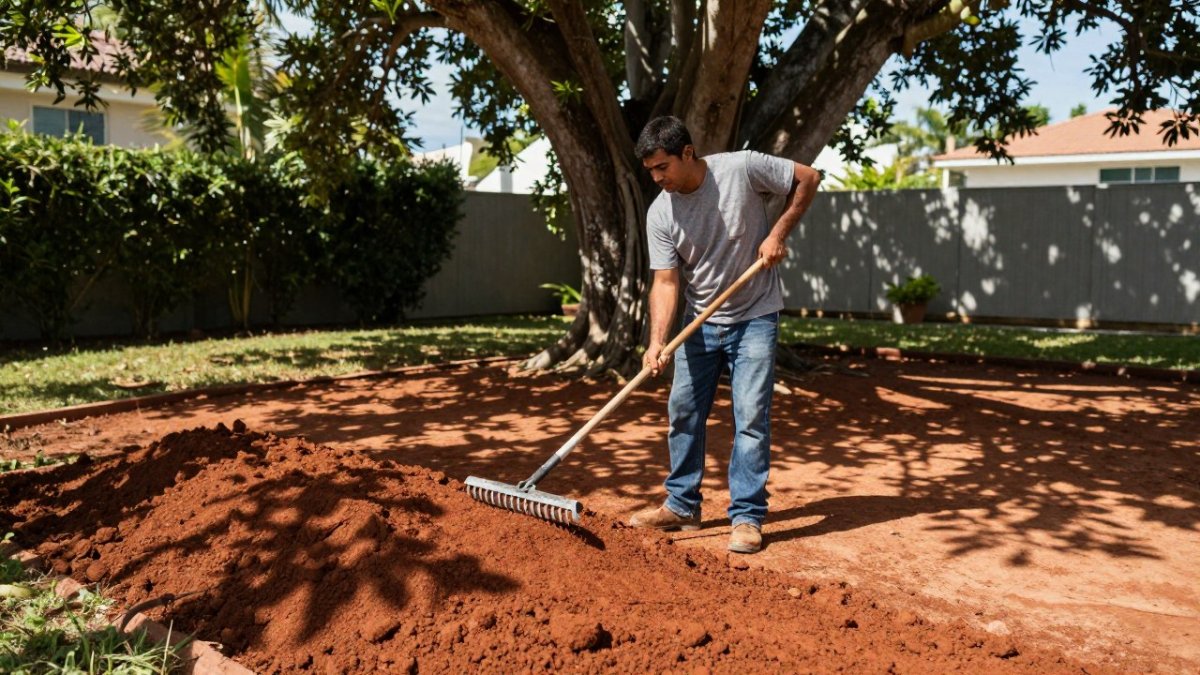
Yard leveling permits in North Miami are often required, but not always. Small regrades within your existing lawn usually need no approval. Moving significant amounts of soil, changing how water drains, or reshaping a yard near a property line typically triggers a building permit review.
That distinction matters more than most homeowners expect. The City of North Miami regulates grading as site work, and the rules hinge on scope, not on whether you call the job "leveling" or "grading."
Here is the short version:
- Cosmetic smoothing of a low spot with a few wheelbarrows of fill: usually exempt.
- Regrading a whole yard, adding fill, or altering drainage: permit likely required.
- Work near a property line, easement, or swale: expect a closer look.
A question homeowners often ask is simple: "Do I really need a permit to fix my bumpy lawn?" Sometimes no. Sometimes yes. Getting it wrong is expensive, because unpermitted grading can force you to undo finished work.
Below, we walk through what triggers a review, which jurisdiction applies, and how to apply. The checklist near the end is the part most guides skip.
Yard Grading Permit Requirements: What Triggers a Review
A yard grading permit is the city's approval to move soil, change elevations, or alter how water leaves your property. In practice, three things push a project from "weekend project" into "permit required" territory.
Scope and volume. Spreading a small amount of fill to fix a dip is different from regrading an entire backyard.
Drainage impact. If your grading changes where stormwater flows, that is a drainage question, not just a landscaping one.
Location on the lot. Work near a property line, an easement, or a protected tree can add requirements. Setbacks and lot coverage rules still apply even when you are only moving dirt.
A common mistake is assuming that because the work is "just landscaping," no one cares. In practice, the city cares about water and neighbors, not aesthetics. If your project touches either, plan for a review.
North Miami vs. North Miami Beach vs. Miami-Dade County: Which Jurisdiction Applies?
Jurisdiction is where most homeowners get lost, and it is not a technicality.
Your address decides which one applies. A property inside North Miami city limits goes through the City of North Miami. A property in North Miami Beach goes through that city. A property in unincorporated Miami-Dade goes through the county.
A three-step jurisdiction check you can do before you call anyone.
- Pull the parcel record. Use the Miami-Dade County Property Appraiser's public records search and look up the property by address or folio number. The record lists the taxing authority and municipality for the parcel, which is the most reliable single indicator of which building department has authority.
- Confirm against the municipal boundary map. Cross-check the parcel against the City of North Miami's official boundary or GIS map. Boundary lines follow plats and rights-of-way, not postal addresses, so a parcel on the edge of the city can be mislabeled by a mailing address alone.
- Call the building department with the folio number. Ask the permit clerk to confirm jurisdiction and the correct permit type for grading work. A two-minute call with the folio number in hand prevents a rejected submittal and lost weeks.
Why the distinction matters for grading specifically. Each jurisdiction has its own grading and drainage review standards, its own fee schedule, and its own inspection sequence.
A note on adjacent jurisdictions. Properties near the North Miami boundary may actually sit in North Miami Beach, Biscayne Park, or unincorporated Miami-Dade. If your project lands in North Miami Beach, our lawn care and tree service in North Miami Beach page covers how we handle work on that side of the line.
One wrong assumption here means an application filed with the wrong department, a rejected submittal, and lost weeks. Confirm the folio, confirm the municipality, and confirm the permit type before you prepare plans.
Backyard Drainage and Grading: Why Water Flow Decides Your Permit
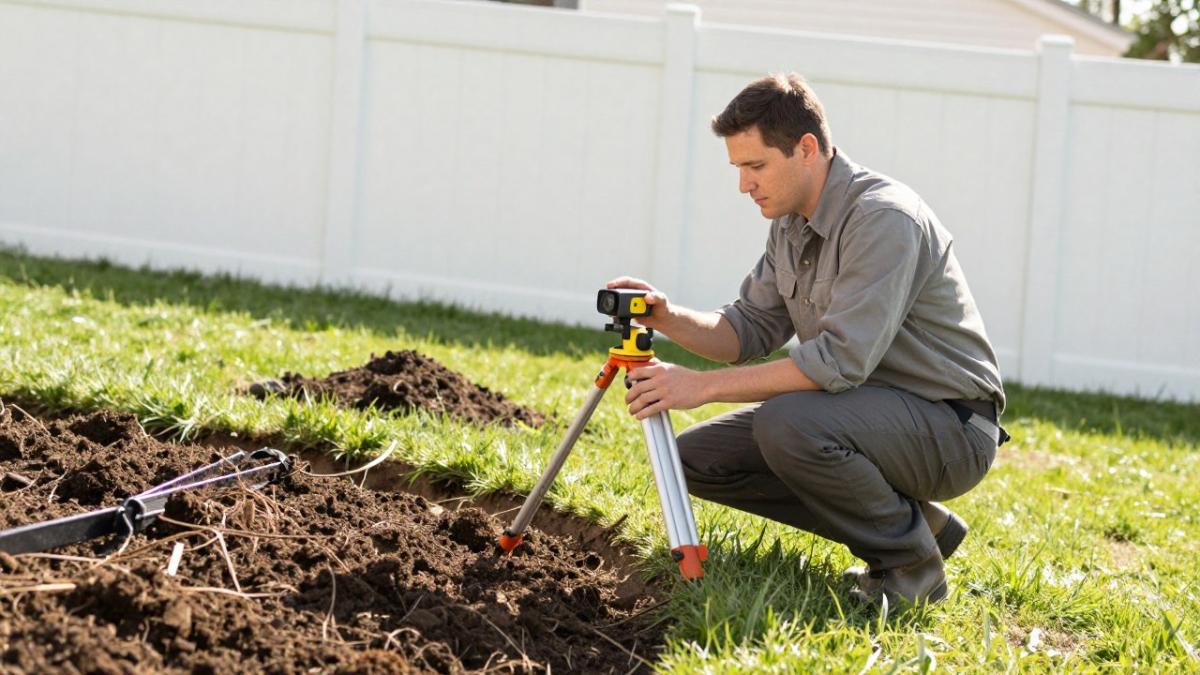
Water is the real reason grading gets regulated. Leveling a yard changes how stormwater moves, and in a flat, low-lying region, that change can send runoff onto a neighbor's property or into a swale that was never designed for the extra volume.
Required Documents and Application Steps for Grading Work
Most grading applications ask for a similar document set, though the exact list varies by jurisdiction. Prepare these before you submit:
- Completed permit application form
- Site plan showing the property, structures, and setbacks
- Grading plan with existing and proposed elevations
- Drainage plan showing where water will flow
- Description of fill material and volume
- Contractor information and license details
- Property owner authorization, if a contractor is applying
The application steps follow a predictable path:
- Confirm jurisdiction using your address.
- Pull the current forms from the building department's website.
- Prepare plans with elevations and drainage details.
- Submit the application and pay the review fee.
- Respond to review comments and revise plans as needed.
- Receive approval before any soil is moved.
- Schedule inspections at the required stages.
- Close out the permit once work passes final inspection.
Watch out: starting work while a review is pending is treated as unpermitted construction, and it can turn a simple approval into a violation. For more guidance articles like this one, browse our blog.
Here is the document set and step-by-step path the article lays out for a grading application.
| Step | What to do |
|---|---|
| 1 | Confirm jurisdiction using your address |
| 2 | Pull the current forms from the building department's website |
| 3 | Prepare plans with elevations and drainage details |
| 4 | Submit the application and pay the review fee |
| 5 | Respond to review comments and revise plans as needed |
| 6 | Receive approval before any soil is moved |
| 7 | Schedule inspections at the required stages |
| 8 | Close out the permit once work passes final inspection |
Yard Leveling Permits in North Miami Cost: Fees, Reviews, and Timelines
How permit fees are typically built. Many Florida municipal building departments calculate a base permit fee plus a plan review fee, and sometimes a separate inspection or technology surcharge.
How to get an accurate figure before you apply.
- Pull the City of North Miami building department's current fee schedule from the city website; fee schedules are adopted by resolution and change, so confirm the effective date.
- Ask the permit clerk whether your project is classified as a grading permit, a site work permit, or part of a larger building permit, because the classification changes the fee.
- Ask separately about plan review fees, inspection fees, and any technology or record surcharge so the total is not a surprise at submittal.
- Confirm whether a separate right-of-way or swale permit applies if your grading touches the public swale or drainage easement.
Timelines. Review time depends on the completeness of your submittal and the department's current workload. Submittals with clear elevations and drainage plans generally move more smoothly than those needing revisions.
Inspections. Grading permits often require inspections at one or more stages, such as before fill is placed and after the work is complete. Ask the permit clerk which stages apply to your scope.
What unpermitted work costs you. The real expense is not the permit fee; it is the consequence of skipping it. Unpermitted grading can trigger enforcement action and may require corrective work at the homeowner's expense.
Budget for the process, not just the permit. For the broader how-to on the actual leveling work, our guide on 5 steps to level a backyard with uneven terrain walks through the process from start to finish.
How to Run a City of North Miami Permit Search by Address
A City of North Miami permit search by address lets you check the permit history on a property before you buy, build, or hire. It is a smart first step for any grading project.
Here is how to do it:
- Go to the city's online permit portal.
- Enter the property address or parcel number.
- Review open and closed permits on record.
- Check for any unresolved violations or expired permits.
- Note the permit types and status for reference.
Why bother? Existing permits tell you what work was already approved. If a previous owner graded the yard without a permit, you want to know before you take on the liability.
For the broader how-to on the actual leveling work, our guide on 5 steps to level a backyard with uneven terrain walks through the process from start to finish.
Book an On-Site Estimate Before You Apply
The safest way to plan a grading project is to have someone who knows local yards look at yours first.
At P&P Landscaping and Tree Service, we are a family-owned business with over two decades of experience in North Miami landscaping and tree care. Our services include landscape design, sod installation, and professional tree maintenance, tailored to each client's needs.
Contact us to book an on-site estimate.
Get started with P&P Landscaping and Tree Service and approach your yard project with a clear plan. Visit our North Miami landscaping and tree service page to see what we offer and to book your estimate.
Yard leveling permits in North Miami come down to scope, jurisdiction, and drainage. Get those three right, and the process is manageable. Get them wrong, and you may be undoing finished work.
Frequently Asked Questions
Do I need a permit to level my backyard in North Miami?
It depends on the scope. Small regrading that stays within your property line and does not change drainage onto neighboring lots often needs no permit. Larger cuts, fill, or any change that alters stormwater runoff usually requires a grading permit. Check with the local building department before you move soil, and confirm whether your lot falls under city or county review.
How do I search for a permit by address in North Miami?
Use your city's online permit portal, if one is available, and enter the property address or parcel number. If the portal does not recognize your address, call the building department directly and confirm which jurisdiction the parcel falls under.
Could changing my yard's grade affect drainage or neighboring properties?
Yes. Regrading can redirect stormwater onto a neighbor's lot or away from your foundation, which is a key reason grading permits exist. A grading plan showing existing and proposed elevations, plus a drainage path, is often required. If runoff would cross a property line, expect plan review before approval.
What landscaping work can a homeowner do without a permit in Florida?
Planting sod, shrubs, and trees, mulching beds, and routine maintenance generally need no permit. Installing a retaining wall above a certain height, adding fill, or changing grade for a paver patio or driveway often does. Paver work in the right-of-way may also trigger review. Confirm the current thresholds with your local building department before starting, because the rules apply to the work, not to who does it.