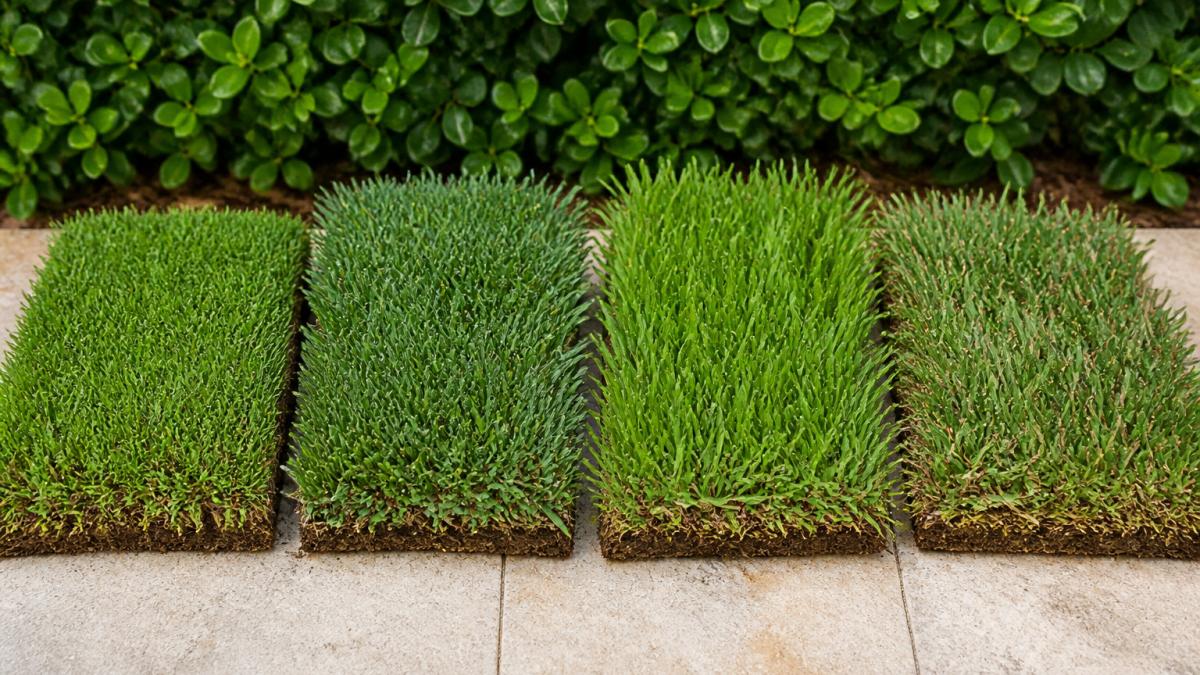
 Comparison
Best Sod Types for North Miami Lawns Compared
Last Updated: November 4, 2026
Quick Summary
St. Augustinegrass is the best sod for North Miami lawns for most homes, because it handles partial shade and salty coastal conditions better than most options. Bermudagrass suits full-sun, heavy-use yards, while Bahiagrass fits large lots where low upkeep matters most.
- St. Augustinegrass tolerates partial shade and salt exposure well and grows densely to suppress weeds.
- Zoysiagrass handles heavy foot traffic and holds its color well, but costs more and recovers slowly.
- Bermudagrass is the most resilient option for full sun, recovering quickly from heat, drought and damage.
- Bahiagrass needs less water and fertilizer, suiting large lots and budget-conscious owners.
- Compare quotes on total lifecycle cost, including site preparation, irrigation and ongoing care, not just sod price.
Table of Contents
- Why Sod Choice Matters in North Miami's Climate
- Quick Comparison: Sod Types at a Glance
- St. Augustinegrass: Shade Tolerance and Salt Tolerance
- Zoysiagrass, Bermudagrass and Bahiagrass: Where Each One Wins
- Sod Installation Cost in North Miami and Lifecycle Costs
- How to Water New Sod in Florida During Establishment
- Booking an On-Site Sod Assessment for Your North Miami Lawn
- Frequently Asked Questions
Why Sod Choice Matters in North Miami's Climate
Choosing the right sod for North Miami lawns is one of the most important decisions a homeowner makes, and the sod for North Miami yards has to suit the local climate. Sod for North Miami lawns has to handle intense summer sun, heavy afternoon rain, salty coastal air and sandy soil. A grass that thrives in one yard can struggle a few miles away, so the variety you pick matters as much as the installation.
Warm-season grasses are the standard for South Florida because they grow actively when temperatures are high. Cool-season grasses tend to decline in this heat and humidity, which is why local lawns rely on turf types adapted to the tropics. A wrong choice can lead to thinning, weed invasion and wasted money within a single season.
The four options most often considered are St. Augustinegrass, Zoysiagrass, Bermudagrass and Bahiagrass. Each has clear strengths and real trade-offs. Matching the grass to your sun exposure, foot traffic and maintenance budget is the fastest way to a lawn that lasts.
Quick Comparison: Sod Types at a Glance
Our pick for most North Miami homes: St. Augustinegrass, because it handles partial shade and salty coastal conditions better than most options. Choose Bermudagrass for full-sun yards with heavy use, and Bahiagrass for large lots where low upkeep matters most.
| Grass | Best Light | Shade Tolerance | Foot Traffic | Maintenance Level |
|---|---|---|---|---|
| St. Augustinegrass | Partial shade to full sun | High | Moderate | Moderate to high |
| Zoysiagrass | Full sun to light shade | Moderate | High | Moderate |
| Bermudagrass | Full sun | Low | Very high | High |
| Bahiagrass | Full sun | Low | Moderate | Low |
Use this table as a starting point, then check your specific yard conditions before you buy.
St. Augustinegrass: Shade Tolerance and Salt Tolerance
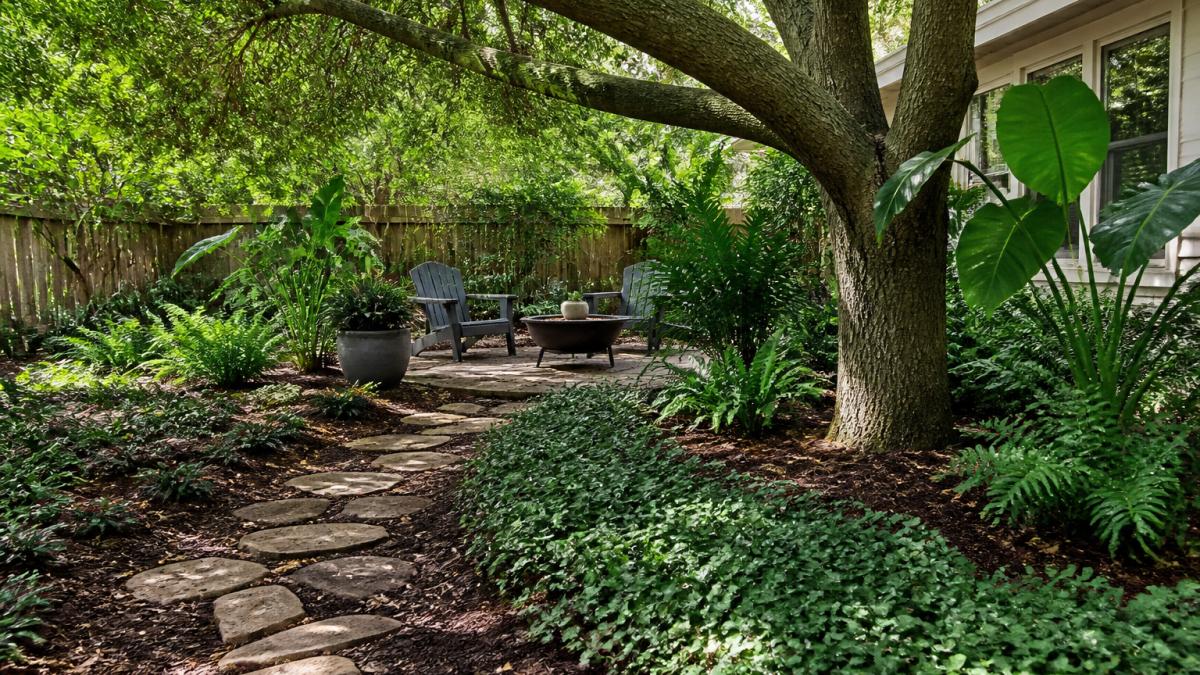
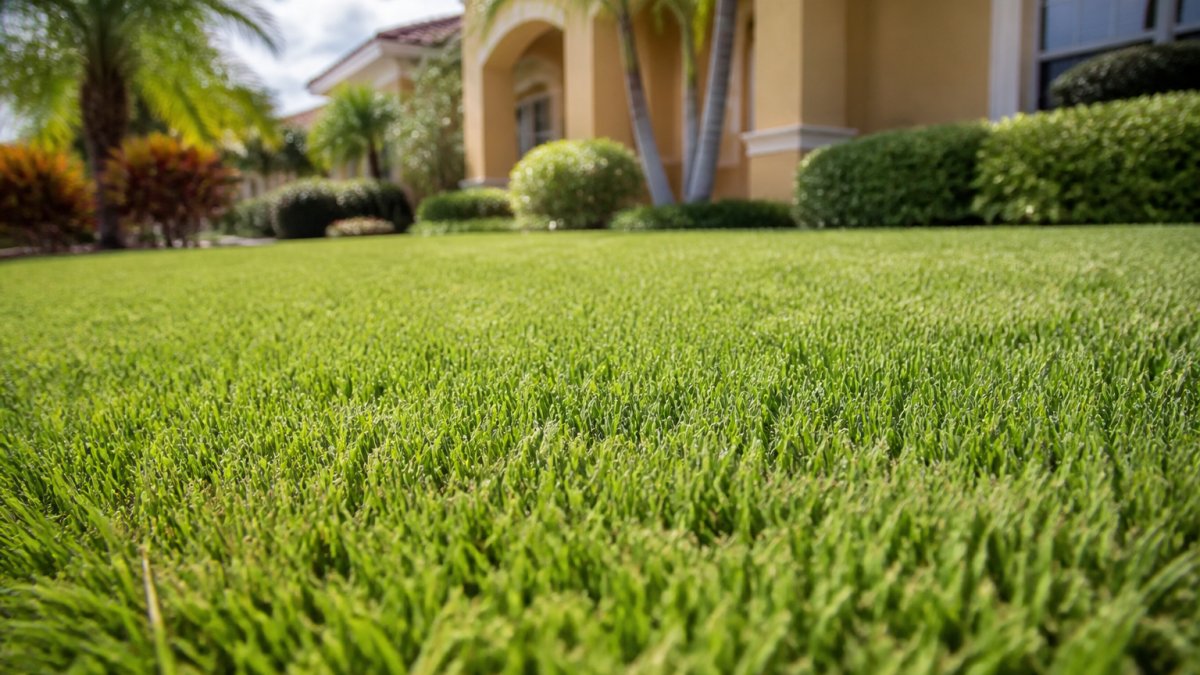
St. Augustinegrass is the most widely planted turf in the Miami area. Its thick, blue-green blades form a dense lawn that crowds out many weeds. It also tolerates more shade than most warm-season options, which makes it a practical choice for yards under trees or along the side of a house.
Lawns near the water face salt spray that can damage less tolerant grasses.
Pros:
- Strong performance in Florida heat and humidity
- Handles partial shade and salt exposure well
- Dense growth helps suppress weeds
Cons:
- Needs consistent irrigation and fertilization to stay dense
- Susceptible to chinch bugs, so pest monitoring matters
Zoysiagrass, Bermudagrass and Bahiagrass: Where Each One Wins
Each of these grasses fits a different yard, and choosing the wrong one is a common mistake.
Zoysiagrass produces a soft, carpet-like surface that feels good underfoot. It is very dense, which keeps weeds out, and it holds its color well through the warm season. It is a strong choice for families who use the lawn heavily and want a refined appearance. The drawbacks are a higher installation cost and slower recovery after damage. If you are weighing whether the premium is worth it, our guide on whether zoysia grass is worth the extra cost in Florida walks through the numbers. For a direct head-to-head, see our Empire Zoysia vs Floratam comparison for full-sun lawns.
Bermudagrass is the most resilient option for full sun. It handles heat, drought and heavy foot traffic, and it recovers quickly from damage. Its weak point is shade, where it thins out, and it grows fast enough to need frequent mowing.
Bahiagrass suits large lots and budget-conscious owners who want low upkeep. It needs less water and fertilizer and adapts to the sandy, nutrient-poor soils common in South Florida. The trade-offs are an open growth habit that invites weeds and tall seed heads that many owners find unsightly.
If your yard is shaded much of the day, St. Augustinegrass is usually the better fit. For a deeper comparison of St. Augustine and Bahia, see our St. Augustine vs Bahia grass guide for Florida lawns.
Sod Installation Cost in North Miami and Lifecycle Costs
Sod pricing depends on factors such as the grass type, the square footage, delivery distance and how much site preparation a yard needs. Sod is sold by the pallet or by the square foot, so confirm the coverage per pallet in writing. Pricing depends on quantity, dates and delivery, so request a current quote from P&P Landscaping and Tree Service's website rather than relying on a single advertised number. You can see current real per-square-foot prices for Floratam to benchmark your estimate.
A realistic North Miami budget separates five cost buckets instead of treating sod as one line item:
- Sod purchase: the per-square-foot or per-pallet price of the grass itself. St. Augustinegrass and Bahiagrass are generally the lower-cost options, Zoysiagrass sits in the middle to upper range, and Bermudagrass pricing varies widely by cultivar.
- Site preparation: removal of old turf, weed clearing, grading, and tilling or topdressing sandy soil. North Miami's sandy, sometimes compacted soils often need organic amendment and grading so water drains away from the house.
- Installation labor: laying, cutting, and rolling the sod, plus cleanup. Steep grades, narrow side yards, and tight access behind a home raise labor time.
- Irrigation: new sod needs reliable watering during establishment. If your system needs repair, new heads, or a timer, that cost belongs in the budget before the sod arrives.
- Ongoing care: mowing frequency, fertilization, pest and weed control, and irrigation water. This is where the lifecycle cost gap between grasses shows up.
Lifecycle cost is the number that matters. A cheaper grass that needs frequent chinch-bug treatment, repeated weed control, or replacement after a cold snap can cost more over several years than a premium grass with lower maintenance needs. St. Augustinegrass, for example, is affordable to buy but demands consistent irrigation and fertilization and is susceptible to chinch bugs, so its ongoing cost is higher than its purchase price suggests. Bahiagrass is inexpensive and low-maintenance but has an open growth habit that invites weeds and tall seed heads many owners dislike. Zoysiagrass costs more upfront and recovers slowly from damage, but its density suppresses weeds and it holds color well. Bermudagrass is resilient in full sun and recovers quickly, but it grows fast enough to need frequent mowing.
Watch out: a quote that lists only the sod price and omits site preparation, irrigation repair, and delivery can look cheapest and end up costing the most once the lawn is installed.
Ask every quote to state whether it includes old-turf removal, grading, soil amendment, delivery, installation labor, and a starter watering plan. Comparing sod installation against grass seeding on a lifecycle basis is also useful, because the upfront price difference often shrinks once establishment time, water use, and risk are counted. For homeowners weighing a premium grass, our guide on whether zoysia grass is worth the extra cost in Florida breaks down the trade-offs, and our Empire Zoysia vs Floratam comparison for full-sun lawns covers a direct head-to-head.
How to Water New Sod in Florida During Establishment
New sod has no roots in your soil yet, so it can dry out within hours in North Miami heat and afternoon sun. The first two weeks decide whether the lawn knits to the ground or fails in patches. Treat establishment as a schedule, not a single watering rule.
Days 1-14: keep the top layer consistently moist. Water lightly and frequently so the soil under the sod stays damp without turning swampy. Early-morning watering reduces evaporation and limits disease pressure. In hot, breezy coastal conditions, a second short cycle in the middle of the day may be needed to keep seams from drying, but avoid late-evening watering that leaves blades wet overnight.
Weeks 2-4: taper to deeper, less frequent watering. Once the sod begins rooting, shift to longer cycles that wet the soil profile and encourage roots to grow downward. Shallow daily watering produces shallow roots that struggle in dry spells.
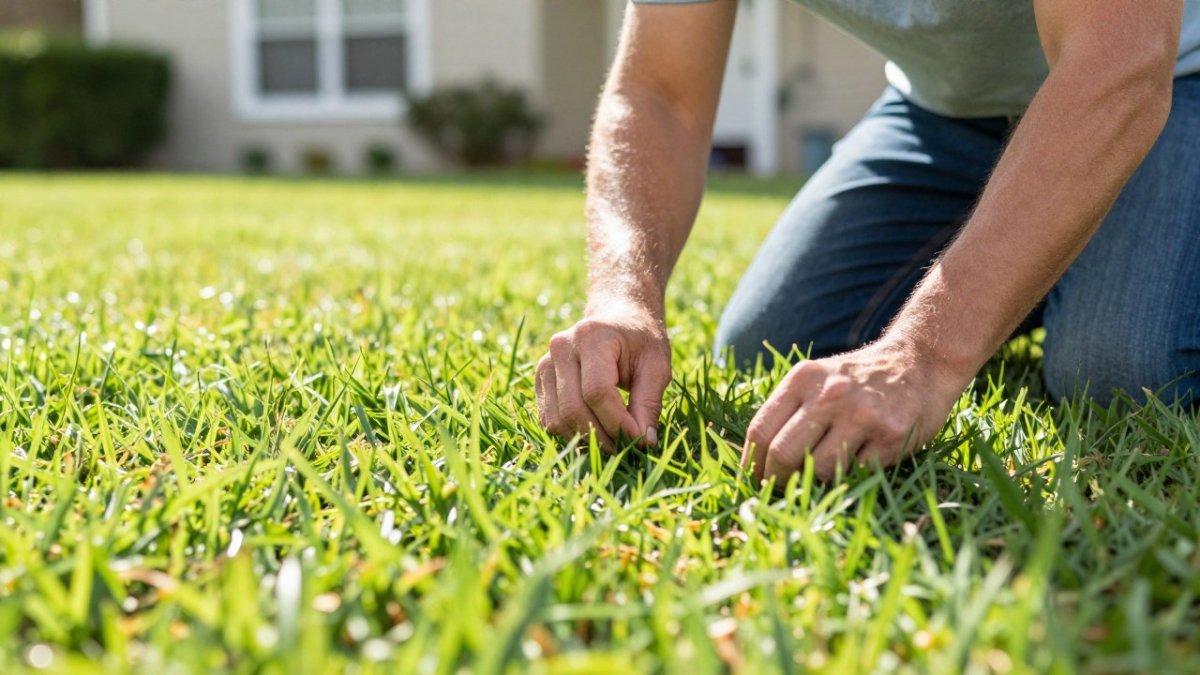
Rooting check: gently tug a corner of sod. If it lifts easily, roots have not knit yet and watering should continue on the establishment schedule. If it holds, rooting has begun and you can begin tapering.
When to mow: wait until the sod is rooted enough that the mower does not lift or shift it, then mow at the higher end of the recommended height for your grass and keep blades sharp. Removing too much leaf blade at once stresses new sod.
Watch out: overwatering is as damaging as underwatering in South Florida. Soggy soil under new sod causes shallow roots and fungal problems, and poor drainage in low spots can drown a patch before it ever roots.
North Miami conditions add two wrinkles. First, salt spray near the coast can burn leaf edges on newly installed sod, so rinse the lawn lightly after a salt event and choose a salt-tolerant grass such as St. Augustinegrass where exposure is high. Second, South Florida water restrictions can limit irrigation days and hours, so check your local utility or water-management district rules before you set a timer and design your establishment schedule around the days you are allowed to water. If your irrigation system needs repair, fix it before the sod arrives rather than hand-watering a whole yard through establishment.
Booking an On-Site Sod Assessment for Your North Miami Lawn
The right sod depends on your sun exposure, soil, drainage, irrigation and how the lawn will be used. P&P Landscaping and Tree Service is a family-owned business with over two decades of experience in landscaping and tree care, and we handle sod installation from consultation through completion.
To find out which sod suits your property and get a quote, visit P&P Landscaping and Tree Service's website and request an on-site estimate.
Frequently Asked Questions
What type of sod is best for Florida lawns?
St. Augustinegrass is the most widely planted sod in South Florida because it tolerates heat, humidity and salt air and handles partial shade better than most warm-season grasses. Zoysiagrass suits lawns with heavy foot traffic, while Bermudagrass is the choice for full-sun areas that need fast recovery. Bahiagrass works for large, low-maintenance lots. The best choice depends on how much shade the lawn gets, how many people use it and how much irrigation and mowing you are willing to do.
Is St. Augustine grass the best choice for North Miami?
For many North Miami homes, yes. St. Augustinegrass grows well in the area's warm, humid climate, has strong salt tolerance for coastal properties and performs better in partial shade than Bermudagrass or Zoysiagrass. Its weaknesses are a need for consistent irrigation and fertilization to stay dense, and susceptibility to chinch bugs. Lawns with very little shade and heavy play may do better with Zoysiagrass or Bermudagrass.
How much does professional sod installation cost in North Miami?
P&P Landscaping and Tree Service has not published fixed prices for sod installation. Costs depend on the grass type, the square footage, site preparation needs such as grading or soil amendment, and delivery. Sod is typically priced per pallet or per square foot, so the final figure varies by project. Request an on-site estimate through P&P Landscaping and Tree Service's website to get a quote specific to your property.
How do I water new sod in Florida?
New sod needs frequent, light watering to keep the root zone moist while roots establish, usually in the first two to three weeks. Water once or twice daily in warm weather, enough to soak the soil beneath the sod without pooling. As roots take hold, reduce frequency and increase depth gradually. Avoid walking on the sod during establishment, and check that seams between pieces stay moist.