 blog
Budget Landscaping for Investment Properties: Ideas That Pay Off
Last Updated: November 8, 2026
Quick Summary
Budget landscaping for an investment property means choosing low-care plants, mulch and simple layouts that look managed from the street. The best starting point is clearing the most visible areas, such as the front walk, entry and curb strip, before adding extras.
- Focus first on the front walk, entry, mailbox and curb strip, the areas tenants and buyers see first.
- Replace struggling lawn with mulched beds and ground cover to lower water use and mowing time.
- Mulch every bed to suppress weeds and hold moisture.
- Group plants by water need and run irrigation early in the morning.
- Check drains and low spots after every named storm to prevent flooded beds and fence damage.
Table of Contents
- Why Landscaping Pays Off on an Investment Property
- Choosing Low-Maintenance Landscaping for Rental Properties
- Drought-Tolerant and Native Plants for North Miami Climate
- Cheap Landscaping Ideas for Backyard Spaces
- Low Maintenance Landscaping Along Fence on a Budget
- Landscaping for Rental Property Maintenance: Routines and Schedules
- Booking a Landscape Walkthrough for Your Rental Property
- Frequently Asked Questions
Landscaping on an investment property is one of the few upgrades that improves curb appeal, tenant interest and rent potential at the same time, and it doesn't have to be expensive. Budget landscaping for rental properties is about choosing plants, materials and layouts that look good from the street, hold up to a South Florida summer and don't demand a crew every week. This guide walks through practical ideas that pay off, along with common pitfalls.
Owners often overspend on what nobody notices and underspend on what tenants and prospective buyers see first. Pricing for any specific project depends on size, access, materials and the scope of work, so treat the ideas below as a framework and request a quote for your property's actual numbers.
Why Landscaping Pays Off on an Investment Property
Landscaping works on an investment property because the first impression happens before anyone walks through the door. A tidy front yard signals that the owner maintains the property, and that signal affects how many inquiries a listing gets and how a tenant feels about staying. Budget landscaping for investment properties is less about making the yard beautiful for its own sake and more about removing the visible problems: overgrown hedges, bare patches, dead shrubs and debris that suggest deferred maintenance.
Start with the highest-visibility areas: the front walk, the entry, the mailbox and the strip along the curb. A few clean beds with mulch and sturdy, low-care plants will do more than scattered decorative elements across the whole lot. Once the basics look intentional, you can add touches like a gravel border or a container cluster by the door. The goal is a yard that looks managed without a high monthly bill.
Choosing Low-Maintenance Landscaping for Rental Properties
For a rental, the best plant is the one that survives a missed watering or a season without attention. Choose species with a known track record in South Florida, group them by water needs, and keep bed sizes small enough that a single maintenance visit covers them. Mulch every bed to suppress weeds and hold moisture, and use ground cover in areas where turf is difficult or costly to keep alive.
Lawn is often the largest recurring expense on a rental, so ask whether every square foot needs turf. Replacing a stretch of struggling lawn with mulch and planting beds usually lowers water use and mowing time while improving the look. Be realistic about tenants, too: a yard that requires precise pruning or frequent deadheading will decline quickly if no one is responsible for it. Simpler layouts age better.
Drought-Tolerant and Native Plants for North Miami Climate
North Miami sits in USDA hardiness zone 10b/11a, with sandy, fast-draining soils, a May-to-October wet season, a dry winter-spring stretch, and salt exposure for properties near Biscayne Bay or the Intracoastal. That combination favors plants that tolerate both saturated roots and short droughts, and it punishes species that need constant irrigation or rich soil.
Low-care choices for North Miami rental beds include:
- Coontie (Zamia integrifolia), a Florida native cycad that handles sun or shade, tolerates drought, and needs almost no pruning. Slow-growing, so it holds its shape between visits.
- Dwarf firebush (Hamelia patens 'Compacta'), heat- and humidity-tolerant, attracts butterflies, and stays small enough for foundation beds.
- Beach sunflower (Helianthus debilis), a native groundcover for sandy, sunny spots; spreads quickly and suppresses weeds.
- Muhly grass (Muhlenbergia capillaris), ornamental grass with pink fall plumes; tolerates salt and poor soil and needs only an annual cutback.
- Fakahatchee grass (Tripsacum dactyloides), clumping native grass that holds up to wind and rain better than many exotic grasses.
- Dwarf yaupon holly (Ilex vomitoria 'Nana'), compact evergreen shrub for hedges and fence lines; tolerates pruning and salt spray.
- Sea grape (Coccoloba uvifera), for larger properties near the water; salt-tolerant and wind-resistant, though it needs room to spread.
- Cocoplum (Chrysobalanus icaco), native hedge shrub that tolerates salt and wet feet better than most alternatives.
For hurricane and flooding resilience, choose clumping grasses and native shrubs over tall, top-heavy exotic trees, and avoid planting wind-sensitive species near structures or power lines. Position taller plants where water naturally moves and keep moisture-sensitive species on higher ground; heavy rain can pool in low spots and wash mulch away. In low-lying yards, a shallow swale or gravel-filled drain trench along the bed line moves runoff away from the foundation without a major grading project.
Confirm the site's sun exposure and drainage before buying plants, since these vary within the same neighborhood.
The plants below are the low-care choices the article recommends for North Miami rental beds.
| Plant | Best for | Key difference |
|---|---|---|
| Coontie (Zamia integrifolia) | Sun or shade, drought | Native cycad, almost no pruning |
| Dwarf firebush (Hamelia patens 'Compacta') | Foundation beds | Attracts butterflies, stays small |
| Beach sunflower (Helianthus debilis) | Sandy, sunny spots | Native groundcover that spreads quickly |
| Muhly grass (Muhlenbergia capillaris) | Salt and poor soil | Pink fall plumes, annual cutback |
| Fakahatchee grass (Tripsacum dactyloides) | Wind and rain | Clumping native grass |
| Dwarf yaupon holly (Ilex vomitoria 'Nana') | Hedges and fence lines | Tolerates pruning and salt spray |
| Sea grape (Coccoloba uvifera) | Larger properties near water | Salt and wind resistant, needs room |
| Cocoplum (Chrysobalanus icaco) | Hedges | Tolerates salt and wet feet |
Cheap Landscaping Ideas for Backyard Spaces
Backyards in rental homes benefit from simple, durable features that define the space without ongoing upkeep. Mulched beds along fence lines, a short gravel or stepping-stone path and a cluster of drought-tolerant shrubs can transform an unused area. Container plants near a patio add color that can be moved or replaced when a tenant moves out, which makes them a good low-commitment option.
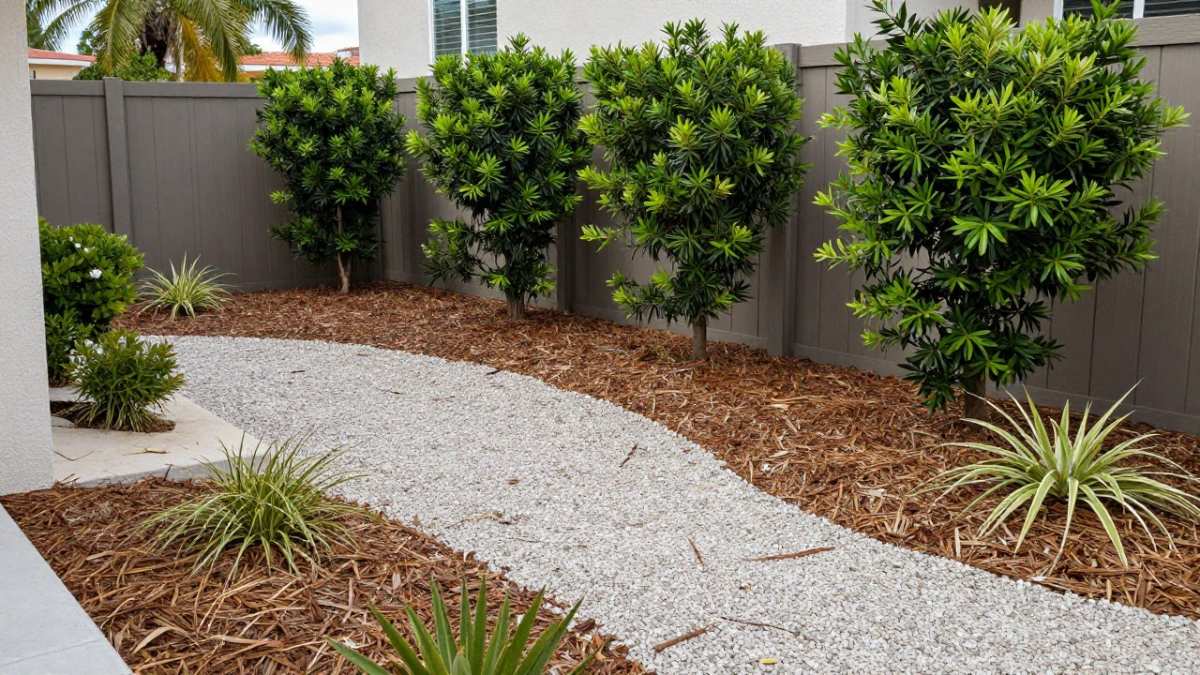
Here is a simple sequence for a budget backyard refresh:
- Clear debris and remove dead plants.
- Edge and mulch the main beds along the fence and house.
- Install a gravel or paver path between the entry and the back area.
- Plant a small group of low-water shrubs at the corners for structure.
- Add one or two containers near the seating area for color.
Watch out: buying plants before clearing the site often means replanting. Confirm the layout first so each purchase lands where it will stay.
Low Maintenance Landscaping Along Fence on a Budget
Fence lines are often the most neglected part of a rental yard, which makes them a good place to improve appearance cheaply. A continuous band of mulch with a row of compact shrubs spaced for their mature size hides the fence base, reduces weeding and needs little more than an annual trim. Shrubs planted too close together will crowd each other, so check the expected width before planting.
Keep fence-line plantings away from irrigation heads and any drainage paths, and avoid species that trap moisture against the fence boards. A low border of gravel can replace mulch where you want a cleaner look and less organic material to replace over time.
Landscaping for Rental Property Maintenance: Routines and Schedules
Budget landscaping only stays affordable if the maintenance routine is predictable and the water bill is controlled. In North Miami, irrigation is the recurring cost owners most often underestimate: a poorly zoned system can waste water on beds that need little and starve the plants that need more. Group plants by water need, run irrigation in the early morning, and check the timer seasonally, South Florida's wet season usually means cutting runtime sharply from May through October, while the dry winter-spring stretch needs more.
A practical seasonal schedule for a single-family rental in North Miami looks like this:
- Monthly: mow and edge turf, spot-weed beds, check irrigation heads and replace broken ones.
- Quarterly: prune shrubs to shape, refresh mulch to a 2-to-3-inch depth, inspect fence lines and drainage paths.
- Seasonally: adjust irrigation runtime for wet versus dry season, fertilize only if a soil test or plant condition calls for it (Florida-friendly guidance generally favors minimal fertilizer), and cut back ornamental grasses once a year.
- After heavy storms: inspect for fallen limbs, blocked drains, and standing water; clear debris before it stains hardscape or clogs swales.
Put the schedule in the lease or property file so tenants know what the owner covers and what they are expected to report.
Track what each visit costs and what it prevents. For larger trees near structures, schedule professional inspections rather than waiting for a visible problem.
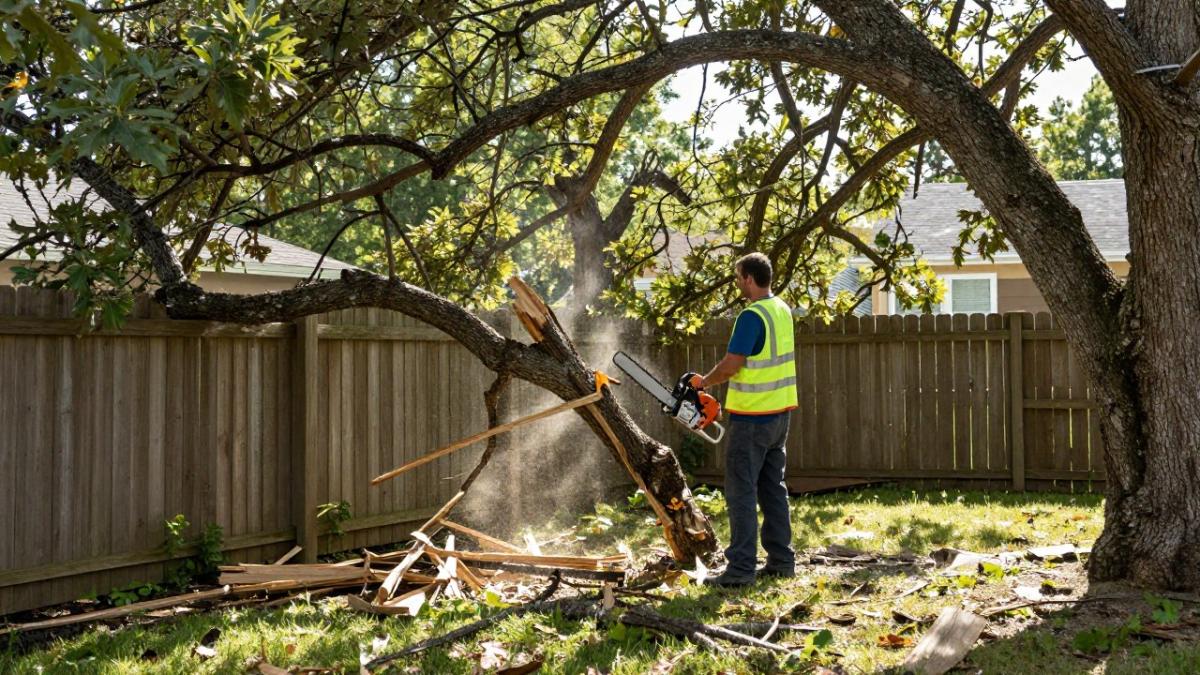
Watch out: skipping the post-storm inspection is the most common way a small drainage problem becomes a flooded bed or a damaged fence, check drains and low spots after every named storm.
Booking a Landscape Walkthrough for Your Rental Property
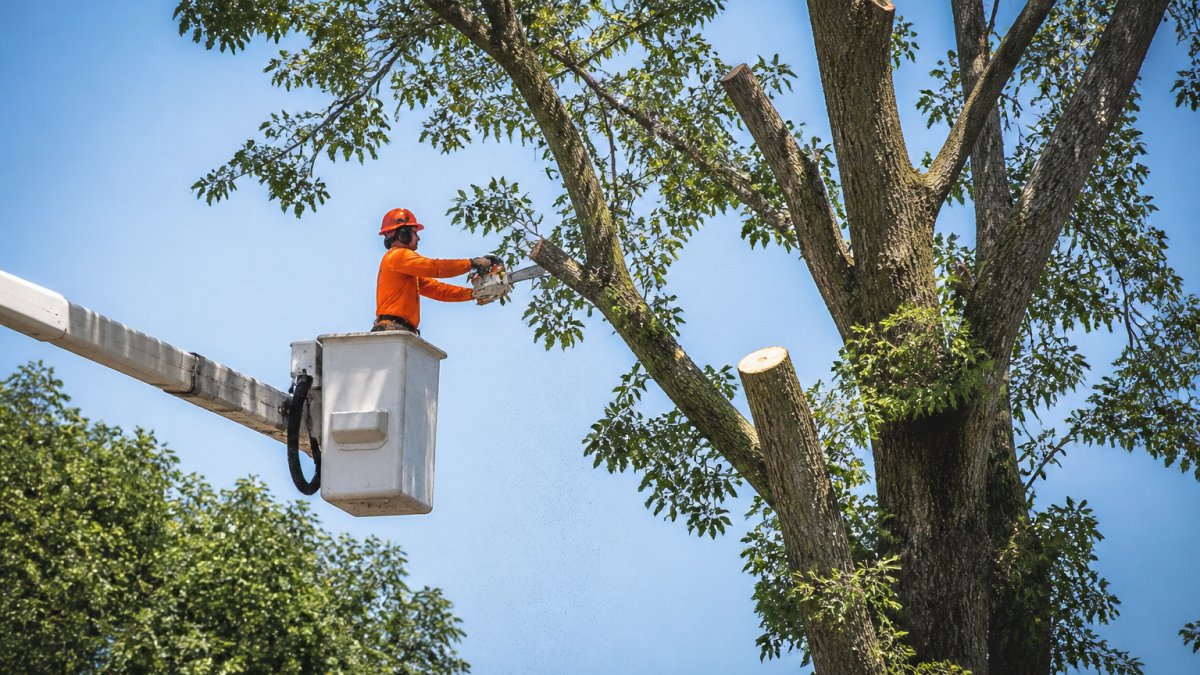
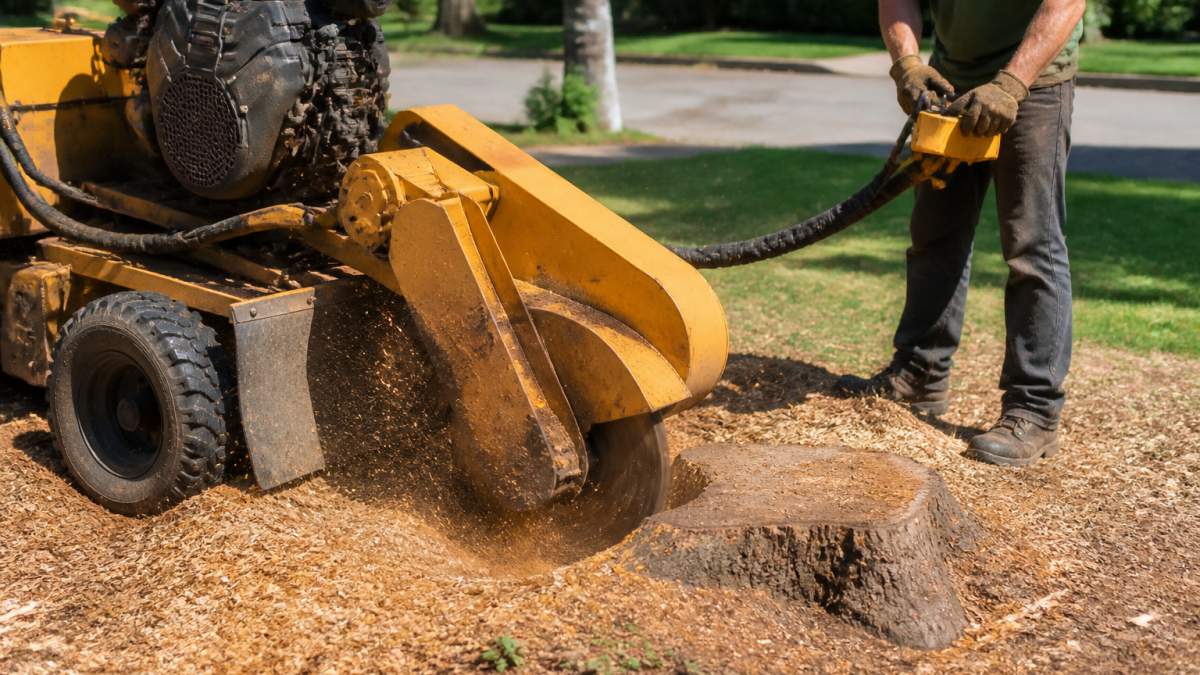
The fastest way to turn these ideas into a plan is a site walkthrough. A landscaper can see your sun exposure, drainage and access, then recommend the few changes that will matter most for your budget. If you need heavier work, such as grading, large-scale planting or tree removal, the walkthrough also clarifies the scope before you commit.
If you want to try a larger job yourself, rent the New Holland L783 skid steer with the bucket included, for pickup or delivery within 20 miles of North Miami. Equipment rental suits moving mulch, grading a path or clearing debris, while planting and tree work are usually better handled by a professional crew.
For a broader look at how we maintain rental grounds, see our landscaping services for rental properties. Owners who want a recurring plan can also review landscaping for rental property maintenance in North Miami, which covers routines and seasonal timing for the area. If your budget is tight, our guide to affordable landscaping services in North Miami compares service options, and lawn alternatives in North Miami explains which low-water options suit local conditions.
Every rental property needs a yard that looks cared for without consuming the owner's time or budget. P&P Landscaping and Tree Service works with landlords across South Florida to plan low-maintenance designs, install durable planting and keep grounds presentable season after season. Book an on-site estimate to get a plan built around your property.
Frequently Asked Questions
What is the least expensive way to landscape a rental property?
The lowest-cost approach is to focus on a few high-impact changes rather than a full redesign. Clean up edges, refresh mulch, trim overgrown shrubs and plant a small cluster of drought-tolerant plants near the entry. Free or low-cost mulch from local sources can cover a lot of ground. Pricing depends on quantity, plant size, and whether you do the work yourself or hire a crew. For current pricing or a quote for your property, contact P&P Landscaping and Tree Service directly.
What are low-maintenance landscaping ideas for rental properties?
Good options for rentals include gravel or mulched beds instead of lawn in tight areas, ornamental grasses, native shrubs that need little irrigation once established, and ground cover that suppresses weeds. Avoid high-water or high-pruning plants that tenants or a cost-conscious owner will struggle to keep up. Choosing reversible, low-upkeep changes also helps when leases change hands.
How often should rental property landscaping be maintained?
Most rental properties in South Florida benefit from regular mowing and edging through the growing season, with periodic pruning, mulch top-ups and weed control. The exact schedule depends on lot size, plant mix and rainfall. Setting a written routine with your landscaper keeps the property presentable between tenants and avoids costly catch-up work after storms.
Which plants are suitable for low-maintenance landscaping in North Miami?
Native and well-adapted plants handle the heat, humidity and seasonal rain better than many imported species. Options often considered for low-maintenance beds include drought-tolerant shrubs, ornamental grasses and native ground covers. Plant selection should account for sun exposure, drainage and the sandy or compacted soil common in the area. A local landscape professional can confirm which varieties suit a specific yard.