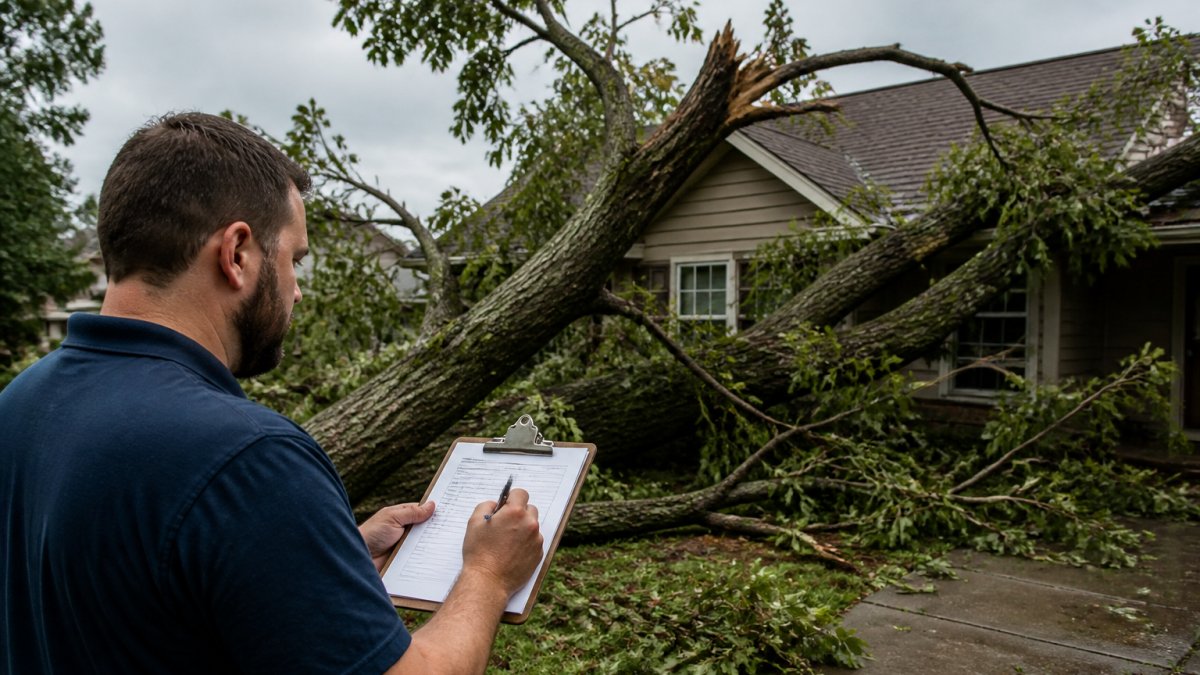
 how-to
Are Hurricane-Damaged Trees Covered by Insurance?
Table of Contents
- Does Homeowners Insurance Cover Tree Removal After a Hurricane?
- Fallen Tree Damage and Homeowners Insurance: What Gets Paid
- Step 1: Document Hurricane Tree Damage Before You Touch Anything
- Step 2: Filing a Hurricane Tree Damage Insurance Claim
- Step 3: Insurance Coverage for Tree Removal After a Storm
- Common Mistakes That Get Hurricane Tree Damage Claims Denied
- What to Do Next: When to Call a Professional Tree Service
- Frequently Asked Questions
Last Updated: October 14, 2026
Does Homeowners Insurance Cover Tree Removal After a Hurricane?
Here is the short answer: are hurricane damaged trees covered by insurance depends on what the tree damaged and why it fell. Most standard homeowners policies pay to remove a tree only when it hits a covered structure, blocks a driveway, or is required by a local ordinance. A tree that simply topples in your yard usually is not covered.
That distinction surprises a lot of homeowners in North Miami. We are P&P Landscaping and Tree Service, a family-owned company with more than two decades of tree care work in Miami-Dade and Broward County, and we see this confusion every hurricane season.
An insurance policy is a contract that pays for sudden, accidental damage to your home. It is not a yard maintenance plan. So the first question your adjuster asks is not "how big was the tree?" It is "what did the tree hit?"
Below, we explain exactly what gets paid, how to document damage, and how to file a claim that survives review.
Fallen Tree Damage and Homeowners Insurance: What Gets Paid
Fallen tree damage homeowners insurance claims split into two buckets: the structure and the cleanup.
Structure damage is usually covered. If a tree lands on your roof, garage, fence, or shed, your policy typically pays to repair that structure. It also usually pays to remove the part of the tree sitting on it.
Cleanup is where claims fall apart. Removing a tree that missed every structure is often excluded. Some policies add a small allowance for debris removal, but the limit is low and applies per storm, not per tree.
Here is how the common scenarios break down:
| What Happened | Usually Covered? | Who Pays |
|---|---|---|
| Tree hits your house or roof | Yes | Insurance, minus deductible |
| Tree blocks your driveway or ramp | Often | Insurance, up to policy limit |
| Tree falls in open yard, hits nothing | Rarely | You |
| Neighbor's tree falls on your house | Yes | Your policy, then it may seek repayment |
| Tree was dead before the storm | Rarely | You |
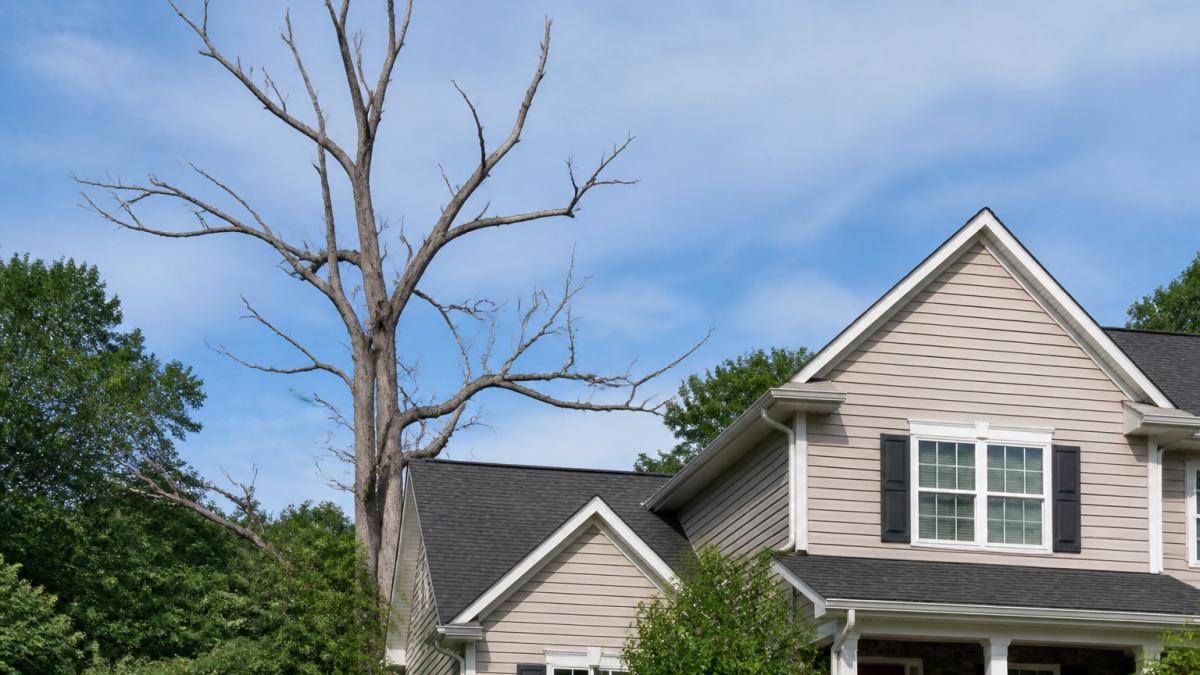
That last row matters more than people think. If a tree was visibly dead, diseased, or leaning before the storm, an adjuster can argue the loss was preventable. Regular maintenance records help you here.
The Insurance Information Institute guide to homeowners policies explains how these limits work in plain terms.
Step 1: Document Hurricane Tree Damage Before You Touch Anything
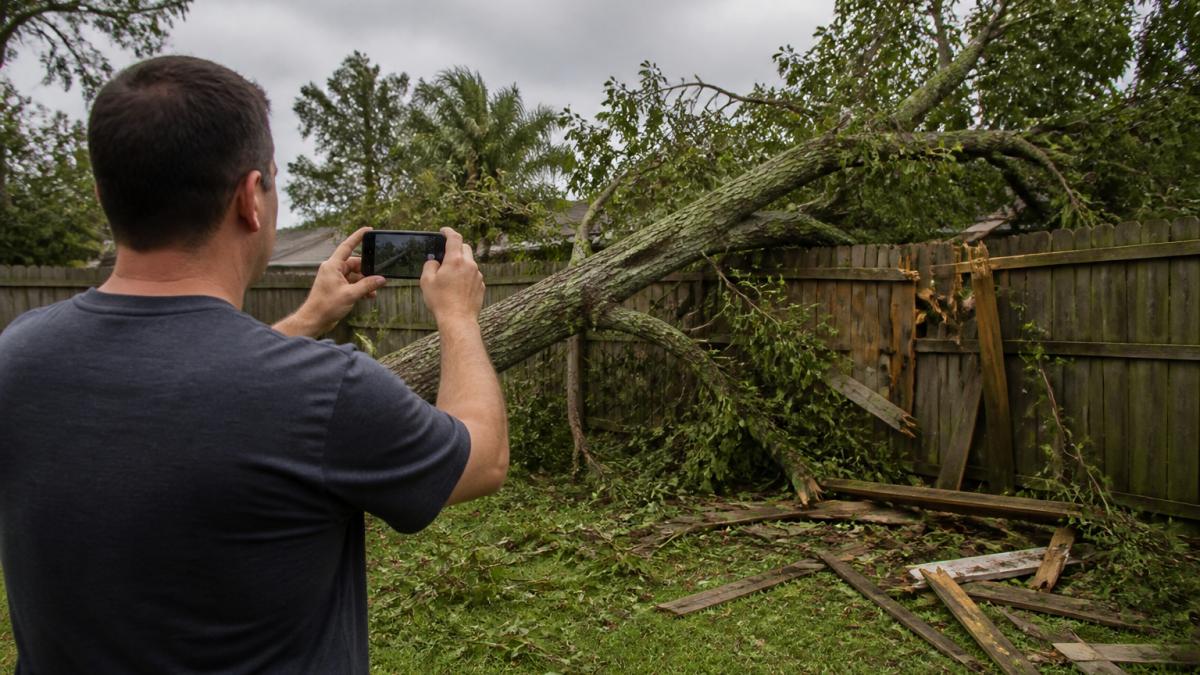
Documentation is the whole ballgame. A hurricane tree damage insurance claim with clear photos and dates moves fast. One without them gets delayed or denied.
Start before any cleanup crew arrives. Here is the order we tell our clients to follow:
- Photograph the tree from several angles, including where it meets the ground
- Photograph the damaged structure up close and from a distance
- Take a short video walking around the whole property
- Note the date and time on every file
- Save receipts for any emergency work, like tarping a roof
- Write down the tree's condition before the storm if you remember it
- Keep damaged limbs in place until the adjuster sees them, if it is safe
Safety comes first. If a tree is resting on power lines or leaning over a bedroom, leave it alone and call for help. Never stand under a hung-up tree to get a better photo.
Step 2: Filing a Hurricane Tree Damage Insurance Claim
Filing is a sequence, not a single phone call. Move through it in order and keep a written record of every conversation.
- Call your insurer first. Report the loss and get a claim number.
- Ask what your policy covers for debris removal. Get the dollar limit in writing.
- Schedule the adjuster visit. Be present if you can.
- Get a written estimate from a licensed tree service. This supports your numbers.
- Submit photos, receipts, and the estimate together.
- Track every deadline. Most policies require prompt notice of a loss.
- Review the settlement letter line by line. Ask about anything unclear.
The Florida Department of Financial Services consumer resources publishes a claims handbook that walks through these steps for storm losses.
One insider note: adjusters are busy after a major storm. The homeowner with a clean, labeled photo folder and a written estimate usually gets a faster answer than the one still searching for pictures.
Step 3: Insurance Coverage for Tree Removal After a Storm
Insurance coverage for tree removal after a storm comes down to three tests. Pass one, and the removal is often paid.
- Did it hit a covered structure? Then removal of that portion is typically included.
- Does it block a driveway, ramp, or handicap access? Many policies pay to clear it.
- Does a local ordinance require removal? Some policies respond to that too.
If the tree missed all three, expect to pay out of pocket. That is not the insurer being difficult. It is the policy language doing its job.
What most guides miss is that the debris limit is often a flat number for the whole storm, not per tree. Remove five trees and you can burn through it fast. Ask your adjuster for the exact figure before you hire anyone.
Common Mistakes That Get Hurricane Tree Damage Claims Denied
Denials usually trace back to the homeowner, not the storm. These are the mistakes we see most in South Florida.
- Cleaning up too early. Debris hauled away before inspection leaves no proof.
- No photos. A claim without images is a story, not evidence.
- Ignoring the deductible. You pay it before the insurer pays anything.
- Missing the notice deadline. Late reports give insurers an easy out.
- Hiring an unlicensed crew. No license means no valid invoice.
- Forgetting maintenance records. They prove the tree was healthy before the storm.
A common mistake is assuming the neighbor's tree is the neighbor's problem. If it lands on your roof, you file with your own insurer. Your insurer may then pursue the neighbor separately.
What to Do Next: When to Call a Professional Tree Service
Call a professional when a tree is on a structure, tangled in power lines, or too large to cut safely from the ground. Those are not DIY jobs, and a mistake can hurt someone or damage your home further.
For homeowners near me in North Miami, the smart sequence is simple: document, file, then hire. Get your photos and claim number first. Then bring in a licensed crew to do the work safely and give you a written estimate your insurer will accept.
At P&P Landscaping and Tree Service, we handle hazardous tree removal, storm cleanup, and routine tree maintenance across Miami-Dade and Broward County. As a family-owned business with over two decades of experience, we work directly with homeowners, landlords, and property managers to clear storm damage and keep the rest of the landscape healthy. We also handle sod installation and landscape design when a storm leaves your yard bare.
If you are staring at a downed tree and wondering what your policy will cover, start with the paperwork. Then let us handle the heavy lifting.
A storm can leave your yard in pieces, and the insurance process can feel just as messy. P&P Landscaping and Tree Service makes the recovery simpler with expert tree care, hazardous removal, and full storm cleanup tailored to your property. Our team brings over two decades of experience, seamless project execution from estimate to final sweep, and a genuine focus on healthy trees and clean results. Book an on-site estimate with P&P Landscaping and Tree Service and get your landscape back to its best.
Frequently Asked Questions
Does homeowners insurance cover hurricane-damaged trees?
Hurricane tree damage is usually covered when a storm knocks a tree onto your home, garage, fence, or other insured structure. Insurance typically pays to remove the fallen tree and repair the damage it caused, up to your policy limits. Trees that simply blow over in the open yard with no structural damage are usually not covered for removal. Review your policy's dwelling coverage and debris removal limits before filing.
Will insurance pay to remove a tree that fell in my yard?
If the tree hit an insured structure, most policies cover removal, often up to a set limit such as $500 to $1,000 per tree. If the tree fell in the open yard and damaged nothing, removal is generally your responsibility. Some policies offer limited coverage for trees that block a driveway or ramp, so check your declarations page. Keep all receipts if you pay out of pocket.
Can I remove a hurricane-damaged tree before the insurance adjuster inspects it?
You can remove a tree immediately if it poses a safety hazard or blocks access, but document everything first. Take photos and videos from multiple angles, including close-ups of the damage and any structures involved. Save all receipts and notify your insurer as soon as possible. Most policies require you to mitigate further damage, so emergency removal is usually acceptable, but the adjuster still needs evidence to process the claim.
Who pays if a neighbor's tree damages my property during a hurricane?
In most cases, your own homeowners insurance pays for damage to your property, regardless of who owned the tree. You would file a claim under your policy's dwelling or other structures coverage. Your neighbor's insurance only comes into play if you can prove they were negligent, such as ignoring a known dead tree. After a hurricane, negligence is hard to prove, so filing with your own insurer is usually faster.