 ultimate-guide
Landscaping Design for Small Yards: 2026 Guide
Table of Contents
- Start With a Landscape Plan, Not a Plant List
- Design Principles That Make Small Yards Feel Larger
- Low Maintenance Landscaping for Small Yards
- Vertical Gardening Techniques for Small Spaces
- Small Backyard Garden Design Ideas That Earn Their Space
- Budget, Permits, and Hiring a Pro for Small Yard Landscaping
- Your Small Yard Landscaping Action Plan
- Frequently Asked Questions
Last Updated: September 7, 2026
Small yards present a design puzzle that frustrates many homeowners, but landscaping design for small yards is less about cramming in plants and more about disciplined spatial planning. The goal is to create an outdoor living space that feels open, intentional, and easy to maintain, regardless of its footprint. P&P Landscaping and Tree Service has over two decades of experience transforming compact South Florida properties into lush, sustainable environments, and a common mistake is starting with a shopping list of plants instead of a strategy. Below, we will show you exactly how to sequence your project, from the initial landscape plan to the final details, so you avoid costly rework and get a yard that earns its space every single day.
Most small yard guides fail because they focus on inspiration rather than execution. A beautiful photo of a patio tells you nothing about drainage, sun exposure, or how much pruning that climber will demand in August. We will cover the practical decisions first, then move through specific techniques for vertical gardening and low-maintenance planting, and finish with a realistic look at budgets and permitting.
Start With a Landscape Plan, Not a Plant List
Landscaping design for small yards succeeds when you map the space before you buy a single perennial. A landscape plan is a scaled drawing that accounts for existing structures, sun patterns, sight lines, and how you intend to use the yard. Without it, you risk placing a fire pit where the afternoon sun makes it unusable or planting a dwarf tree that will eventually crowd a walkway.
Begin by measuring your yard and sketching the permanent features: house walls, fences, utility access points, and drainage paths. Note where sunlight falls at different times of day, since South Florida's intense heat changes what can thrive in full exposure versus partial shade. Then define your activity zones. A realistic plan allocates space for seating, planting, and circulation, and it respects the principle of scale and proportion: oversized hardscape elements will visually shrink a small yard.
Design Principles That Make Small Yards Feel Larger
The core tension in any small yard is that you want richness without clutter. The fix is to create visual depth by layering plantings from low groundcover to mid-height perennials and finally to taller specimens or a vertical garden, which draws the eye upward and expands the perceived boundaries of the space.
Texture contrast also does heavy lifting. Pairing fine-textured grasses with broad-leafed plants adds interest without requiring more square footage. A single, well-defined focal point, such as a specimen tree or a water feature, gives the eye a place to rest and prevents the yard from feeling chaotic. Reserve one strong statement and let the rest of the plantings support it.
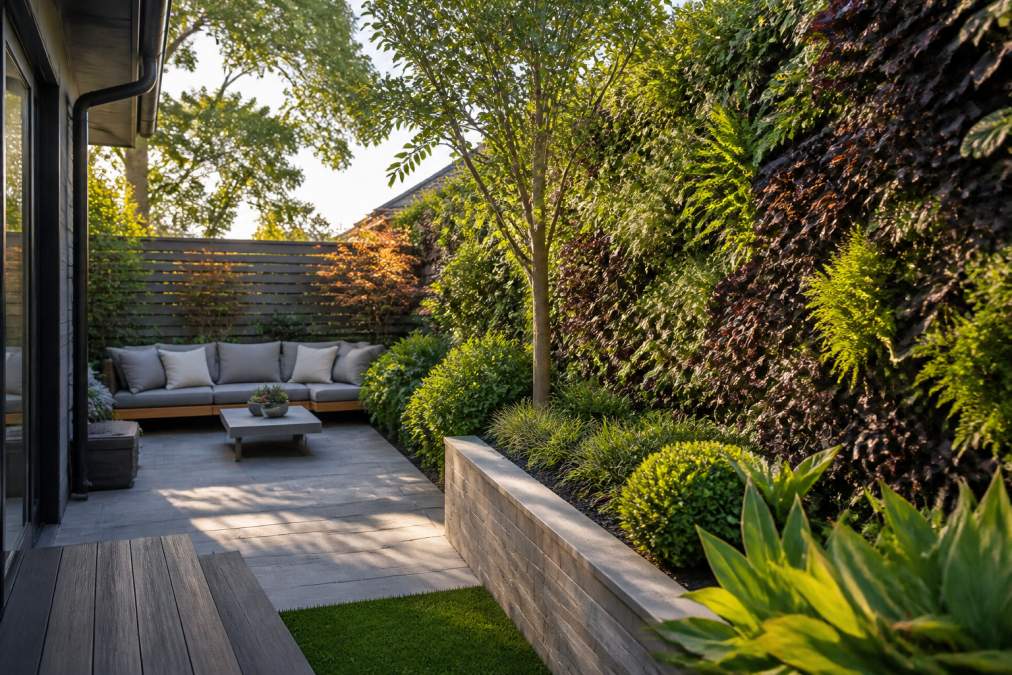
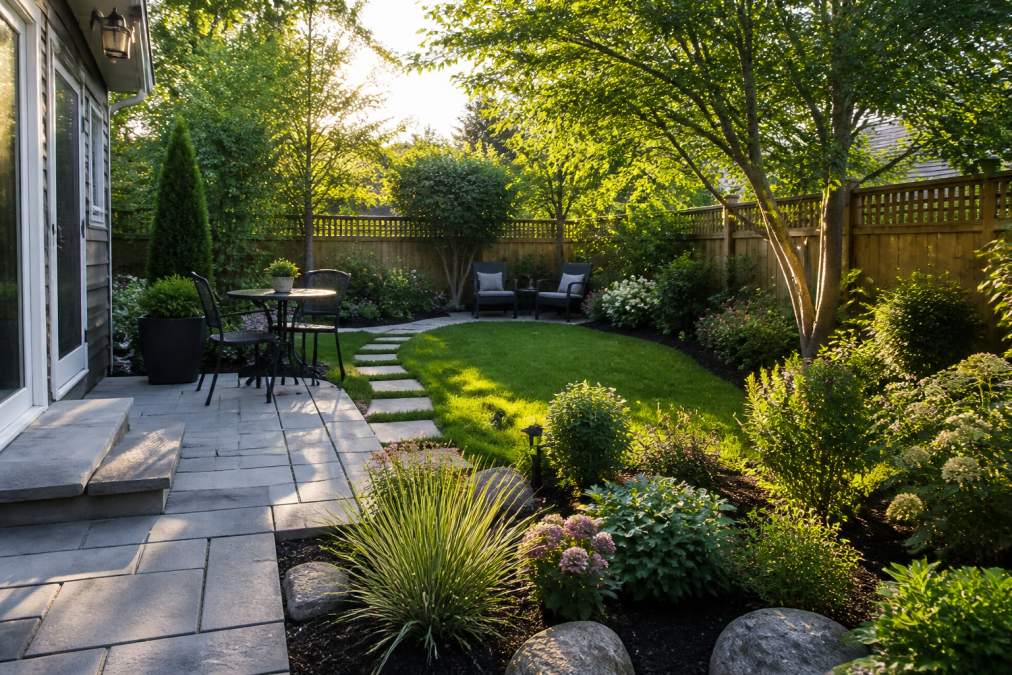
The hardscape versus softscape balance matters more in small spaces than anywhere else. Too much decking or too many pavers creates a barren, hot courtyard, while an all-plant yard can feel overgrown and uninviting. A common rule of thumb is to aim for a balance that suits your maintenance tolerance, typically leaning slightly toward hardscape for seating and paths, with softscape used strategically to soften edges and add color.
Low Maintenance Landscaping for Small Yards
Low maintenance landscaping for small yards is not about eliminating work; it is about choosing plants and materials that match the effort you are willing to invest. The first step is to favor native plants and drought-tolerant species that are already adapted to the local climate and rainfall patterns. These plants typically require less supplemental irrigation and resist local pests better than exotic ornamentals.
In South Florida, this means looking beyond the usual suspects. Native groundcovers like sunshine mimosa or perennial peanut can replace a thirsty lawn, and well-chosen perennials like firebush or coral honeysuckle will return reliably without constant replanting. Grouping plants with similar water needs together also simplifies irrigation, allowing you to water deeply and less frequently rather than on a rigid schedule.
Mulch is your best ally in a low-maintenance plan. A 2- to 3-inch layer suppresses weeds, retains soil moisture, and moderates soil temperature, which is critical when summer heat arrives (extension.org). Plan for a seasonal refresh of mulch rather than a constant battle with weeds, and consider installing a simple drip irrigation system on a timer to remove the guesswork from watering.
But maintenance goes beyond the initial planting. A common pain point is the long-term upkeep of vertical gardens and container plants. For vertical gardens, schedule a monthly check of the irrigation emitters, as they can clog with mineral deposits or algae. Trim back overgrowth every few weeks to keep the structure from becoming top-heavy. For containers, refresh the top inch of soil annually and replace the potting mix every two years to prevent salt buildup. Fertilize with a slow-release granular formula at the start of the growing season, and supplement with a liquid feed every six weeks during active growth. These small, consistent actions prevent the need for major overhauls later.
Another often-overlooked maintenance task is pruning. In small yards, plants are closer to walkways and seating areas, so they need more frequent shaping to keep paths clear and sight lines open. Schedule a light pruning session every six to eight weeks during the growing season, focusing on removing spent blooms and wayward branches. For a truly low-effort yard, choose plants that naturally stay compact, such as dwarf varieties of shrubs and ornamental grasses, so you are not constantly fighting their growth.
Finally, consider the maintenance of hardscape elements. Sweep patios and walkways weekly to prevent dirt and debris from staining pavers. Seal porous surfaces like natural stone or concrete every two to three years to protect against moisture and stains. These simple habits keep your small yard looking polished without requiring a full redesign.
Vertical Gardening Techniques for Small Spaces
When ground space is scarce, vertical gardening techniques for small spaces let you expand your planting area upward. A vertical garden can take many forms, from a simple trellis supporting climbers to a modular wall-mounted planter system filled with herbs and trailing foliage. These installations add lushness without consuming valuable floor area.
Trellises and climbers are the most straightforward approach. Choose a sturdy structure rated for the weight of a mature plant, and anchor it securely, since a top-heavy climber can pull a flimsy trellis over in a storm. For edible gardens, vertical supports are ideal for vining crops like cucumbers and beans, which produce more when grown off the ground.
For a more dramatic effect, consider a living wall or a series of wall-mounted planters. These systems require careful attention to drainage and irrigation, as plants in vertical arrangements dry out faster than those in the ground. A built-in irrigation system or a planter with a water reservoir simplifies upkeep considerably. Before installing anything on a fence or exterior wall, verify the structure can bear the added weight when the planters are saturated.
Small Backyard Garden Design Ideas That Earn Their Space
Small backyard garden design ideas must do double duty: they need to be beautiful and functional. The most effective strategy is to treat the yard as an extension of the home, an outdoor room with its own furniture, lighting, and purpose. A defined seating area with comfortable patio furniture creates a destination, while container gardening allows you to move plants to where they perform best.
Containers and raised beds are essential tools for the small yard. They provide control over soil quality, which is a significant advantage if your native soil is poor or compacted. Raised beds also improve drainage and can be built at a height that reduces bending for gardeners. In a small space, choose a few large containers over many small ones, as large pots require less frequent watering and make a stronger visual statement.
Privacy is often the missing ingredient in small yards, and it is worth planning for early. A well-placed trellis with a fast-growing climber, a row of tall ornamental grasses, or a strategically positioned shrub can screen a neighbor's view without building a solid wall, which might make the space feel like a box. Use privacy screening to define the edges of your outdoor room, and add lighting design to extend its usability into the evening.
Budget, Permits, and Hiring a Pro for Small Yard Landscaping
A realistic budget is the difference between a project that finishes and one that stalls. Costs for landscaping design for small yards vary widely based on the extent of hardscape, the complexity of planting, and whether you handle the work yourself. The budget-friendly DIY route works well for planting beds, mulch, and container gardens, but hardscape installation and drainage corrections are jobs where errors become expensive to reverse.
To make an informed decision, weigh the trade-offs between DIY and professional installation. For planting beds and container gardens, DIY is straightforward and can save on labor costs, but it requires time and physical effort. For hardscape like patios or retaining walls, professional installation is often worth the higher cost because mistakes in leveling or drainage can lead to costly repairs. A common pattern is that DIY projects under $500 are feasible for most homeowners, but anything involving concrete, electrical, or significant grading should be left to a licensed contractor.
Before breaking ground, check whether your project requires a permit. Local building departments often regulate fences over a certain height (typically 6 feet in many residential zones), structural changes like decks and pergolas, and any work that alters drainage patterns. Homeowners associations may impose additional rules on plant selection, hardscape materials, and visible structures like sheds or trellises. Skipping this step can lead to fines and a forced redo. Review guidance on local zoning and permitting requirements before you commit to a design.
When hiring a professional, ask for a detailed written estimate that breaks down labor, materials, and any subcontractor costs. Get at least three quotes to compare pricing, and verify that the contractor is licensed and insured. Ask for references and photos of completed work in your area, and check online reviews on platforms like the Better Business Bureau. A reputable contractor will also handle permit applications and schedule inspections, saving you the hassle.
For those who want to save money but still get professional results, consider a hybrid approach: hire a landscape designer for a one-time consultation to create a plan, then implement the planting yourself. This gives you a professional layout without the full installation cost. Alternatively, phase the project, start with the hardscape and essential drainage, then add planting beds and containers over subsequent seasons as your budget allows.
Finally, factor in ongoing maintenance costs. A professionally installed irrigation system may cost more upfront but can save on water bills over time. Similarly, investing in quality hardscape materials may reduce the need for repairs. The landscaping contractor guidance from the EPA on managing waste and runoff is a useful reference for understanding responsible site practices.
Your Small Yard Landscaping Action Plan
A small yard offers a chance to craft a space that is genuinely usable, not a collection of disconnected features. The sequence matters: plan the layout, choose a maintenance level you can sustain, then select plants and materials that fit both the climate and your lifestyle.
| Project Phase | Key Decisions | Typical Timeline |
|---|---|---|
| Planning | Measure, map sun, define zones, set budget | 1-2 weeks |
| Design | Finalize layout, select hardscape and plants | 1-2 weeks |
| Permitting | Check local rules and HOA guidelines | Varies by location |
| Installation | Hardscape first, then planting and irrigation | 1-4 weeks |
| Maintenance | Mulch, prune, adjust irrigation seasonally | Ongoing |
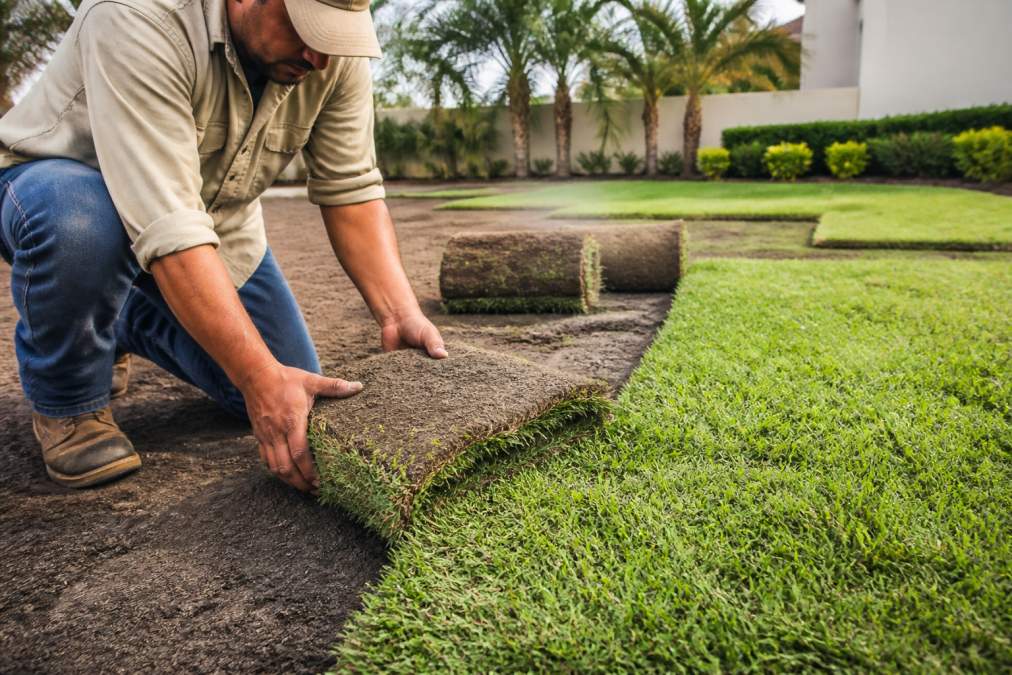
Start with the landscape plan, then tackle the yard in phases so you can spread costs and effort. For the planting phase, focus on native and drought-tolerant species that thrive with less intervention. If the project involves significant grading, drainage, or tree work, consult a professional early; fixing a structural mistake later costs far more than getting it right the first time. At P&P Landscaping and Tree Service, we handle everything from initial design to sod installation and tree maintenance, ensuring the finished space is both beautiful and built to last. Book On-site Estimate Now and turn your small yard into a lush, sustainable retreat you will actually use.
Frequently Asked Questions
What is the rule of 3 in landscaping?
The rule of 3 is a design guideline that suggests grouping plants in odd numbers, especially threes, to create a more natural and visually balanced composition. Odd-numbered groupings prevent the symmetrical, stiff look that pairs of plants often create. In a small yard, this translates to placing three ornamental grasses together or three dwarf shrubs in a corner bed. This simple technique adds visual depth and makes your planting areas look intentional and cohesive without requiring extra space.
How do you landscape a very small yard to make it look bigger?
To make a small yard look bigger, focus on scale and proportion. Choose dwarf trees and compact shrubs that won't overwhelm the space. Use a single hardscape material, like pavers or decking, to create an unbroken flow. Keep the view lines open by placing taller plants at the back and lower groundcover in front. Strategically placed lighting and a mirror or trellis can also draw the eye outward, adding visual depth.
What are the best low maintenance landscaping ideas for a small yard?
For low maintenance landscaping for small yards, prioritize hardscape over lawn, which needs constant mowing and watering. Replace grass with drought-tolerant groundcover, pavers, or decking. Choose native plants that thrive in your climate without supplemental irrigation or heavy feeding. Install a drip irrigation system on a timer to handle watering. Mulch beds generously to suppress weeds. This combination reduces weekly chores to occasional pruning and cleanup.
Should I hire a professional landscaper or do it myself for a small yard?
The choice depends on your project scope. DIY works for simple planting and installing small container gardens. A professional is a better fit when your small yard landscaping design involves grading, drainage corrections, retaining walls, or new hardscape like patios and walkways. These tasks require specialized equipment and knowledge of local codes. Professionals also manage the project timeline and debris removal, which prevents the job from dragging on for weeks.
How do I choose the right plants for a small, sustainable landscape?
Start by evaluating your yard's specific conditions: how much direct sun it gets, the drainage, and your local climate zone. Choose plants that naturally thrive in those conditions rather than ones you'll have to fight to keep alive. Prioritize native and drought-tolerant species, which require less water and fertilizer. Check the plant's mature size and select dwarf varieties to avoid constant pruning. Group plants with similar water needs to simplify irrigation.
What are the best hardscaping materials for small yards?
For small yards, choose hardscaping materials that are proportional and visually light. Concrete pavers, brick, and natural stone in smaller formats scale well with compact spaces. Large-format porcelain tiles can also make the area feel larger by reducing the number of visible joints. Avoid heavy, dark materials that can make the space feel closed in. Use the same material for paths and the patio to create a seamless, expansive look.