 how-to
How to Prune Fruit Trees for Beginners: A Step-by-Step Guide
Last Updated: October 30, 2026
Quick Summary
To prune fruit trees, remove dead, damaged, and crossing branches first, then thin the canopy so sunlight and air reach the inner branches and fruit. Use clean, sharp tools and cut just outside the branch collar to avoid stubs. Light, regular pruning works better than one large cut each year.
- Remove dead, damaged, and crossing branches first, before any other cuts.
- Cut just outside the branch collar, the swollen ring where the branch meets the trunk.
- Avoid removing more than about a quarter of the canopy at once.
- Prune young trees lightly to build a strong frame rather than cutting for size.
- Keep bypass pruners, loppers, and a pruning saw sharp and clean between trees.
Table of Contents
- What Fruit Tree Pruning Accomplishes
- When to Prune Fruit Trees in Florida
- Fruit Tree Pruning Tools You Actually Need
- Step 1: Remove Dead, Damaged, and Crossing Branches
- How to Prune Young Fruit Trees
- Fruit Tree Pruning Mistakes to Avoid
- Deciding Whether to Prune Yourself or Call a Professional
- Frequently Asked Questions
What Fruit Tree Pruning Accomplishes
Learning how to prune fruit trees for beginners starts with one simple idea: pruning removes the wood a tree doesn't need so the tree can put its energy into fruit. A young tree that is left to grow wild can get a crowded canopy, and its fruit can get smaller and harder to reach.
Pruning does a few jobs at once. It opens the center of the tree to sunlight. It removes dead or diseased wood before it spreads. It also shapes the tree so it can hold a heavy crop without breaking.
- Better sunlight reaches the inner branches and developing fruit
- Air moves through the canopy, which helps reduce disease
- Dead and damaged wood comes out before it causes trouble
- The tree stays a size you can reach and harvest from
A common mistake is treating pruning as a yearly chore. Most fruit trees need a light, regular touch-up rather than a large cut every season.
When to Prune Fruit Trees in Florida
Timing matters more than most beginners expect. In South Florida, many growers prune fruit trees during the cooler, drier months when the tree is less active. Light trimming can happen any time you spot a dead, broken, or diseased branch.
Heavy structural cuts are best made when the tree is not pushing out new growth. Avoid major pruning during the wet season, when the tree is growing fast and wounds may be more open to infection.
Keep these rules in mind:
- Remove dead or broken wood whenever you see it
- Save heavy shaping for the dormant or low-growth period
- Avoid cutting large limbs right before a heavy storm season
- Check local extension guidance for your specific fruit type
Because Florida's climate differs from the rest of the country, always confirm timing for your exact tree. The University of Florida IFAS Extension publishes fruit tree guidance for the state. UF IFAS Extension fruit tree pruning guidance
Fruit Tree Pruning Tools You Actually Need
You do not need a shed full of equipment to start. A small set of clean, sharp tools handles most beginner jobs. Dull or dirty blades tear the bark and invite disease, so keep your tools maintained.
Here is what most beginners need:
- Bypass hand pruners for branches up to about three-quarters of an inch thick
- Loppers for branches that are too thick for hand pruners
- A pruning saw for limbs thicker than loppers can handle
- Rubbing alcohol or disinfectant to clean blades between trees
Make sure your blades are sharp before every session. A clean cut heals faster than a jagged one.
Step 1: Remove Dead, Damaged, and Crossing Branches
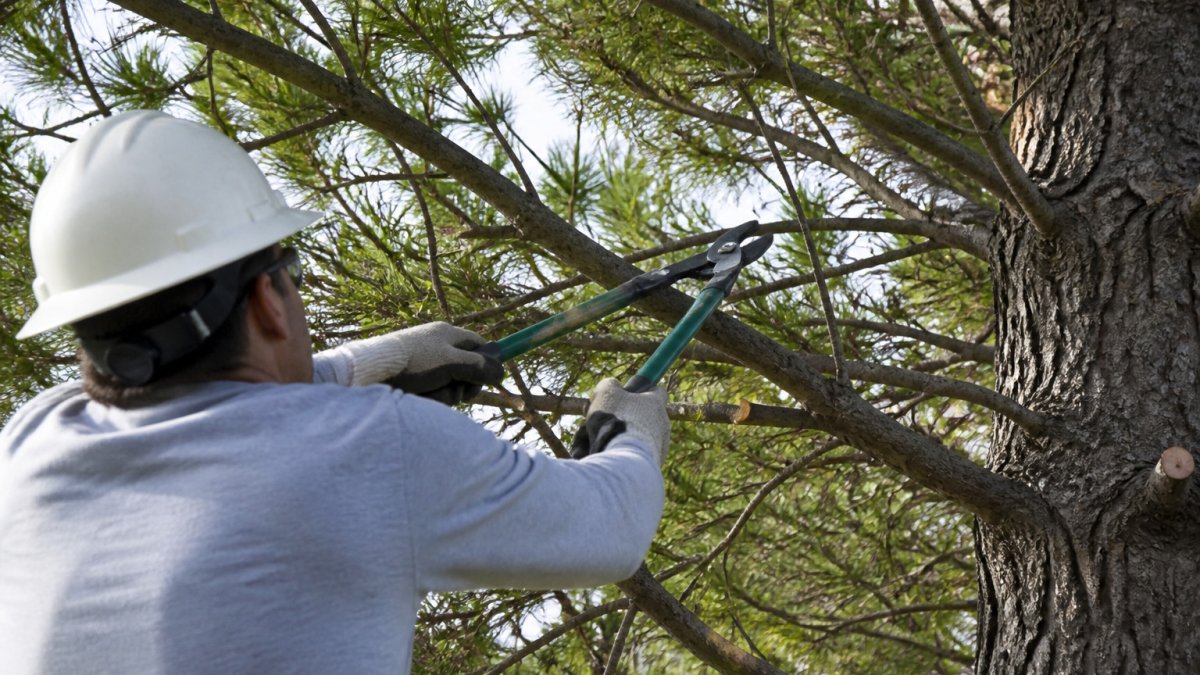
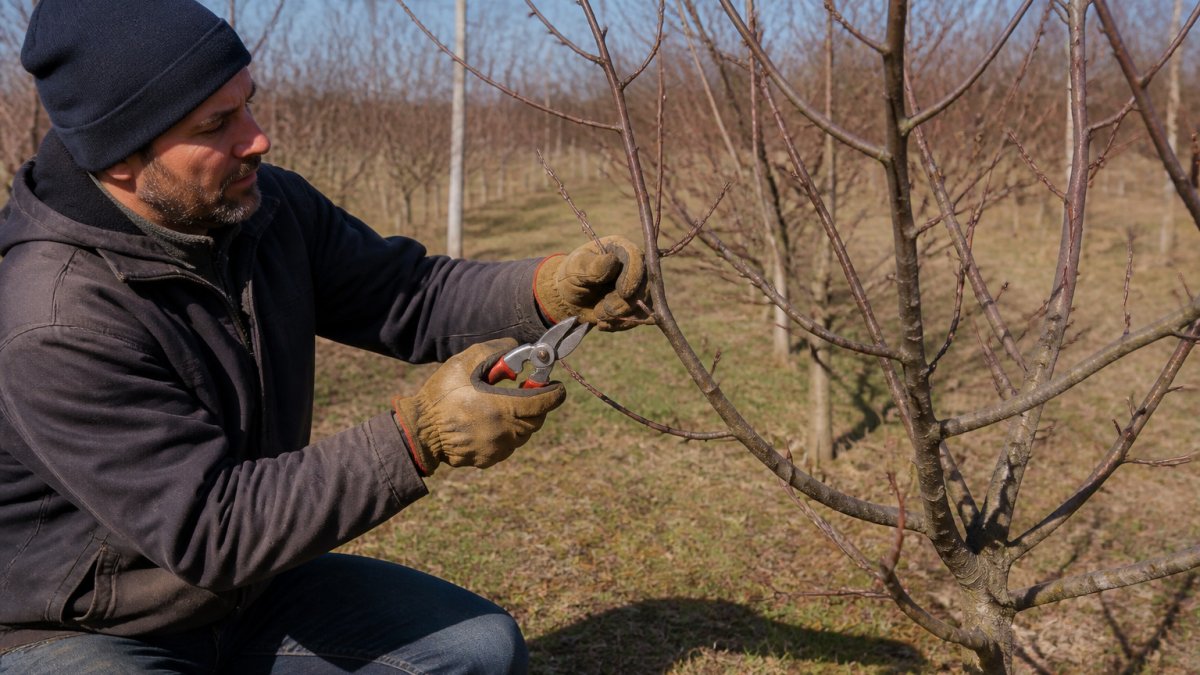
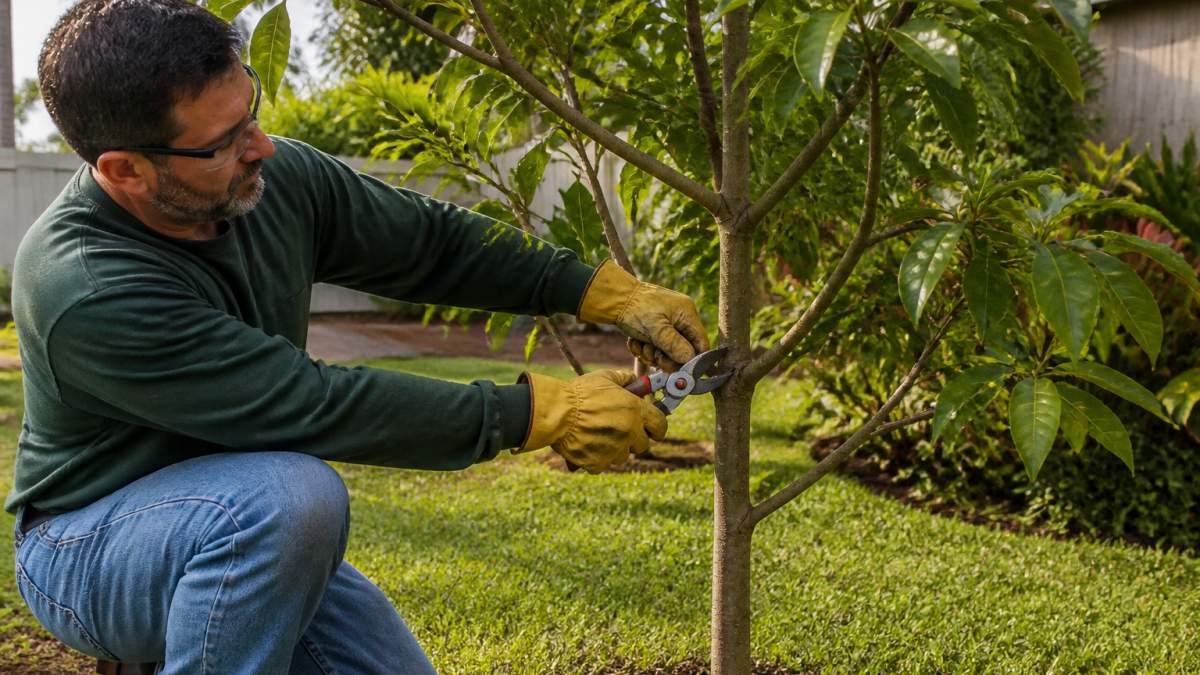
Start every pruning session here. Dead, damaged, and crossing branches do the most harm, so they come out first (pruning Italian plum tree).
Look for three types of wood. Dead branches are often gray, brittle, or have no buds. Damaged branches are cracked, split, or hanging. Crossing branches rub against each other and create open wounds.
Follow these steps:
- Step back and look at the whole tree before you cut
- Cut dead and damaged wood back to healthy tissue
- Remove one of any two branches that rub or cross
- Cut just outside the branch collar, the slightly swollen ring where the branch meets the trunk
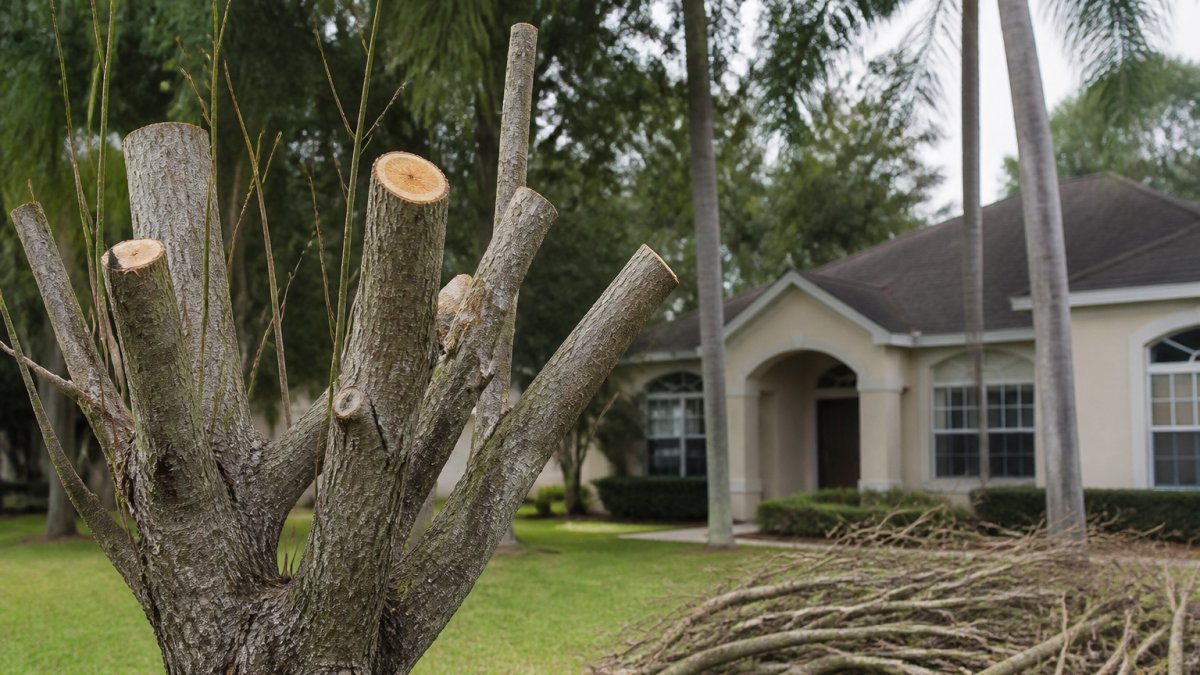
Watch out: Do not leave stubs. Cutting too far from the trunk leaves a stub that rots, and cutting into the collar slows healing (Trimming a River Birch).
The four steps below summarise how to start a pruning session, in order.
| Step | What to do | Note |
|---|---|---|
| 1 | Step back and look at the whole tree | Before you cut |
| 2 | Cut dead and damaged wood to healthy tissue | Start here |
| 3 | Remove one of any two rubbing or crossing branches | Avoid open wounds |
| 4 | Cut just outside the branch collar | Do not leave stubs |
How to Prune Young Fruit Trees
Young trees need a different approach than mature ones. The goal is to build a strong frame that can carry fruit for years.
Choose a central leader or an open-center shape, depending on the tree type. Keep three to five main branches spaced around the trunk. Remove any branch that grows straight up in competition with the leader.
Prune young trees lightly. Heavy cutting slows growth and delays fruit. Focus on structure, not size.
Fruit Tree Pruning Mistakes to Avoid
Most pruning damage comes from a small set of mistakes. Knowing them ahead of time saves a lot of regret.
- Topping the tree: Cutting the top off creates weak sprouts and an unbalanced shape
- Removing too much at once: Taking more than about a quarter of the canopy stresses the tree
- Leaving stubs: Stubs rot and invite pests
- Using dull tools: Ragged cuts heal slowly
- Ignoring the collar: Cutting into it slows the wound's healing
The thing nobody tells you is that most trees forgive small mistakes. Repeated heavy pruning is the real danger, so keep each session modest.
Deciding Whether to Prune Yourself or Call a Professional
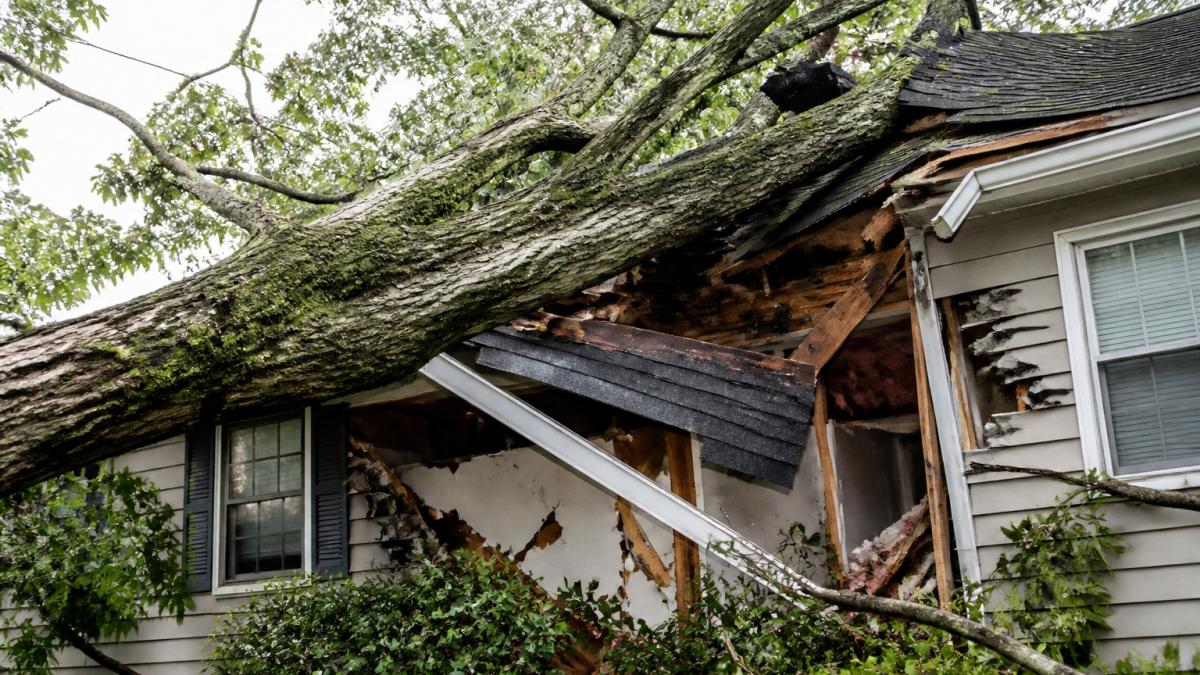
Many homeowners can handle light pruning on small, young trees. Call a professional when the job involves tall trees, large limbs, power lines nearby, or a tree that looks unstable or diseased.
Professional help is also worth it when a tree is large enough that a fall could cause injury or property damage. A professional crew can assess whether your tree needs routine care or more serious work.
When in doubt, get an on-site estimate. Book an on-site estimate with P&P Landscaping and Tree Service and we will tell you honestly what your trees need.
Frequently Asked Questions
When is the best time to prune fruit trees in North Miami?
In North Miami, the warm, humid climate means most fruit trees are best pruned during their winter dormancy, typically from late winter into early spring, before new growth begins. Many subtropical fruit trees such as mango, avocado, and lychee are pruned right after harvest instead, since they set flowers on the previous season's wood. Light cleanup of dead or damaged branches can happen any time of year. Avoid heavy pruning during the summer rainy season, when cuts heal slowly and trees are more exposed to fungal disease.
How much should a beginner prune from a fruit tree?
A good rule for beginners is to remove no more than about one quarter of the canopy in a single year. Start with dead, diseased, and damaged wood, then remove crossing or rubbing branches and water sprouts. Avoid cutting more than necessary, since heavy removal can trigger a flush of weak, vigorous growth and reduce fruit production. Young trees need gentle shaping over several years rather than one aggressive session.
What tools do I need to prune a fruit tree?
Most home pruning needs are covered by bypass hand pruners for branches up to about 3/4 inch, loppers for branches up to roughly 1 1/2 inches, and a pruning saw for anything larger. Keep blades sharp and clean, and disinfect them between trees if you see signs of disease. Wear gloves and eye protection, and use a stable ladder or a pole pruner rather than standing on unsteady surfaces. Bypass pruners make cleaner cuts than anvil pruners, which can crush living tissue.
Can pruning a fruit tree too much harm it?
Yes. Removing too much canopy in one season stresses the tree, can cause sunburn on exposed bark, and often produces dense clusters of water sprouts that shade the fruit and complicate future pruning. Over-pruning can also delay or reduce fruiting for a season or more. If a tree has been neglected for years, correct it gradually over two or three seasons instead of trying to restore its shape in a single visit.